
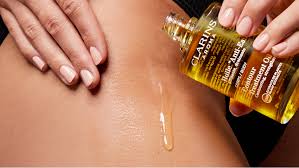
Postpartum belly skin care focuses on helping your skin heal and regain elasticity after pregnancy. This involves gentle cleansing, moisturizing, nutrition, and sometimes light exercises. It’s about supporting your body’s natural recovery process.
Understanding Your Postpartum Belly Skin
Your belly skin stretched a lot. It had to make room for your growing baby. This stretching can affect the skin’s structure.
Collagen and elastin fibers are what keep skin firm and stretchy. Pregnancy makes these fibers work hard. After birth, these fibers need time to repair.
The skin might appear looser. It can also look darker. This is often due to hormones.
Think of your skin like a balloon. When you inflate a balloon a lot, the rubber stretches. When you let the air out, the balloon doesn’t always go back to its exact original shape.
Skin is similar. But skin has amazing healing powers. It needs the right support to do its best work.
You might see stretch marks. These are common. They often look reddish or purple at first.
Over time, they can fade to a silvery or white color. They are a sign your body did an amazing job. Understanding that these are normal is a big step.
Your body is a masterpiece of change.
The Role of Hormones
Hormones play a huge part in how your skin looks and feels. During pregnancy, hormones like estrogen and progesterone rise. These help your skin stretch.
They also affect pigmentation. This can lead to things like the linea nigra, a dark line down your belly. Other hormones influence blood flow.
This can make your skin look different.
After birth, your hormone levels drop. This shift can also affect your skin. It might feel drier.
It can take some time for your body to find its new balance. This is another reason why patience is key. Your skin is adjusting to a new phase.
Gentle Cleansing for Your Belly
When you care for your postpartum belly skin, start with gentle cleansing. Your skin is likely sensitive. It’s also been through a lot.
Avoid harsh soaps. These can strip away natural oils. This can leave your skin dry and irritated.
Use a mild, fragrance-free cleanser. Water alone might be enough some days. Pat your skin dry gently with a soft towel.
Don’t rub. This helps protect the delicate skin.
Consider a pH-balanced body wash. These are kinder to your skin. They help maintain your skin’s natural barrier.
This barrier is important for keeping moisture in. It also helps keep irritants out.
Moisturizing for Elasticity and Healing
Moisturizing is vital for postpartum belly skin. It helps keep the skin hydrated. Hydrated skin is more supple.
It feels better and can look smoother. Good moisture can support the skin’s natural elasticity. This might help it bounce back a bit more.
Look for moisturizers with ingredients that hydrate and nourish. Natural oils are great. Things like coconut oil, shea butter, and almond oil are excellent choices.
These are rich in fatty acids. They help lock in moisture. They can also soothe dry patches.
Apply moisturizer when your skin is still a little damp. This helps trap more moisture. Gently massage it into your skin.
This simple act of massaging can also boost blood flow. Better blood flow helps with healing. It brings more nutrients to the skin cells.
Key Ingredients to Look For in Belly Creams
Natural Oils: Coconut oil, almond oil, jojoba oil. These hydrate and soften.
Shea Butter: Very moisturizing. It’s rich and can help improve skin feel.
Vitamin E: An antioxidant. It can help protect skin cells.
Hyaluronic Acid: Helps skin hold onto water. It makes skin look plumper.
Centella Asiatica (Gotu Kola): Some studies suggest it might help with skin repair. It’s often used in wound healing.
The Power of Nutrition
What you eat matters for your skin. Your body needs good fuel to heal. For skin health, focus on nutrients that support collagen production.
They also help with skin repair.
Vitamin C: This is a hero nutrient for collagen. Find it in citrus fruits, berries, bell peppers, and leafy greens. Vitamin C helps your body build new collagen.
It also acts as an antioxidant.
Protein: Skin is made of protein. You need enough protein to rebuild skin cells. Lean meats, fish, beans, lentils, and tofu are good sources.
Healthy Fats: Omega-3 fatty acids are great for skin. They help keep skin supple. You find these in fatty fish like salmon, flaxseeds, chia seeds, and walnuts.
Zinc: This mineral is important for skin healing. Oysters, beef, pumpkin seeds, and chickpeas are good sources of zinc.
Staying hydrated is also crucial. Water keeps your skin cells plump. It helps your whole body function better.
Aim for plenty of water throughout the day. Herbal teas count too.
A Quick Look at Skin-Boosting Foods
Berries: Packed with Vitamin C and antioxidants.
Leafy Greens (Spinach, Kale): Rich in vitamins and minerals for skin.
Nuts and Seeds: Provide healthy fats and zinc.
Fatty Fish (Salmon): Excellent source of Omega-3s.
Sweet Potatoes: Contain Vitamin A, which helps skin cell turnover.
Stretch Marks: Understanding and Management
Stretch marks are a very common concern after pregnancy. They happen when the middle layer of skin tears. This occurs as the skin stretches quickly.
Stretch marks are not harmful. They are a normal part of the postpartum experience for many.
While you can’t completely erase them, there are things you can do. Keeping the skin well-moisturized can help. It might make them less noticeable.
Some people find that treatments like microdermabrasion or laser therapy can improve their appearance. However, these are often costly. And they aren’t always necessary.
Focus on self-acceptance. Your stretch marks tell a story. They are a testament to your body’s power.
Embrace them as part of your unique journey.
Myth vs. Reality: Stretch Marks
Myth: You can prevent all stretch marks with creams.
Reality: Genetics and the extent of stretching play a big role. Creams can help with hydration and appearance, but not full prevention for everyone.
Myth: Stretch marks are permanent and ugly.
Reality: While they may not vanish, they often fade significantly over time. Many women find beauty in them as marks of motherhood.
The Importance of Gentle Exercise
Once your doctor gives you the okay, gentle exercise can help. It’s not about getting a flat stomach overnight. It’s about rebuilding strength.
It’s about supporting your body’s recovery.
Start with walking. It’s a great low-impact activity. As you get stronger, you can add more.
Pelvic floor exercises are very important. They help rebuild core strength. They can support your abdominal muscles.
Consider postpartum yoga or Pilates.
Listen to your body. Don’t push yourself too hard. Recovery takes time.
Building strength slowly will yield better results. Stronger abdominal muscles can help support your belly skin. This might make it appear firmer over time.
Remember to breathe deeply during exercises. This helps engage your core. It also improves circulation.
Good circulation is vital for healing. It brings oxygen and nutrients to your skin and muscles.
What About Belly Binding?
Belly binding is an old practice. It involves wrapping your postpartum belly. Some cultures have done this for centuries.
The idea is to support the abdomen. It’s thought to help the uterus shrink. It might also help the abdominal muscles return to their place.
Some women find belly binding comforting. It can provide a feeling of support. It might also help improve posture.
However, there isn’t strong scientific evidence. It won’t magically make your belly skin vanish. It doesn’t guarantee a tighter tummy.
If you consider belly binding, use a soft, breathable material. Don’t wrap it too tightly. This could restrict breathing or blood flow.
It’s best to talk to your doctor or a pelvic floor therapist. They can advise if it’s right for you. And how to do it safely.
Belly Binding: Points to Consider
Support: Many women feel physically and emotionally supported.
Posture: It can encourage better posture as you hold your baby.
Comfort: For some, it feels like a comforting hug for their midsection.
Caution: Never wrap too tightly. Always use breathable fabric. Consult a professional first.
Natural Remedies and Oils
Many natural oils and balms are popular for postpartum belly care. They focus on hydration and soothing the skin.
Coconut Oil: It’s deeply moisturizing. It’s also rich in lauric acid. This has anti-inflammatory properties.
It can be used daily to keep skin soft.
Sweet Almond Oil: This oil is rich in Vitamin E. It’s easily absorbed. It helps improve skin tone and suppleness.
Shea Butter: A wonderful emollient. It’s known for its ability to deeply moisturize. It can help improve skin’s texture.
Rosehip Oil: This oil is known for its regenerative properties. It contains essential fatty acids. It may help improve the appearance of scars and stretch marks.
When using any new product, always do a patch test. Apply a small amount to a less sensitive area first. Wait 24 hours to check for any reaction.
This is especially important if your skin feels extra sensitive.
Sun Protection is Key
Your skin is likely more sensitive after pregnancy. Hormonal changes can make it more prone to sun damage. Protecting your belly from the sun is important.
Wear protective clothing when you are outdoors. A light cover-up can shield your skin. Use sunscreen on exposed areas.
Choose a broad-spectrum sunscreen. Look for SPF 30 or higher. Reapply it often, especially if you are sweating.
Sun damage can make skin appear older. It can also worsen the appearance of stretch marks and scars. Protecting your skin now helps it stay healthier long-term.
This also helps prevent hyperpigmentation.
Patience and Self-Compassion
Perhaps the most important aspect of postpartum belly skin care is patience. Your body has just done something miraculous. It needs time to recover.
This is not a race. There is no deadline for your body to look a certain way.
Be kind to yourself. Celebrate what your body has achieved. Focus on feeling healthy and strong.
Instead of criticizing your reflection, focus on how your body nourishes your baby. Or how it carries you through your day.
Comparison is the thief of joy. Your postpartum journey is unique. Your body’s recovery will be too.
Embrace this new phase. Give yourself grace. You are doing an amazing job.
Quick Scan: Postpartum Belly Care Checklist
- Cleanse: Use mild, fragrance-free soap. Pat dry.
- Moisturize: Daily with natural oils or rich creams.
- Nourish: Eat a balanced diet rich in vitamins and protein.
- Hydrate: Drink plenty of water.
- Move: Gentle exercises when cleared by your doctor.
- Protect: Use sunscreen and protective clothing.
- Rest: Allow your body ample time to heal.
- Be Patient: Self-compassion is key.
When to Seek Professional Advice
While most postpartum belly changes are normal, there are times to seek help.
If you experience severe pain or discomfort in your abdomen, talk to your doctor. If you notice any signs of infection, such as redness, swelling, or fever, seek medical attention. If you have concerns about diastasis recti (abdominal muscle separation), a physical therapist can help assess and guide you.
For persistent concerns about skin appearance, a dermatologist can offer advice. They can discuss treatment options. But remember, most women find that time and gentle care are the best solutions.
Real-World Scenarios: What to Expect
In real homes across America, new moms are often navigating these exact same questions. You’ll hear friends swap stories about the creams they tried. Or how long it took for their skin to feel “normal” again.
One friend might say, “I was so worried about my stretch marks at first. But now? They just remind me of my son.” Another might share, “I focused on eating well and gentle walks.
That made me feel so much better, and my skin started to feel softer.”
The environment plays a role too. In humid climates, skin might feel different than in dry ones. The water quality can even affect your skin.
Local climate influences how often you’re outdoors. This impacts sun exposure and hydration needs.
User behavior is also key. Are you able to carve out a few minutes for yourself each day? Even a short time to moisturize can make a difference.
Or are you constantly on the go? Prioritizing small self-care moments is crucial. These habits, even tiny ones, add up over time.
The Long Game: Lasting Skin Health
Postpartum skin care isn’t just about the first few months. It’s about building healthy habits for life. Continuing to moisturize regularly will benefit your skin overall.
Eating a nutrient-rich diet supports your skin’s health from the inside out.
Protecting your skin from the sun consistently is important. This helps prevent premature aging. It also reduces the risk of skin cancer.
Think of your postpartum journey as a reset. It’s a chance to establish healthy routines that benefit you for years to come.
Your body is amazing. It carried and nourished your baby. It continues to do incredible things every day.
Treating your skin with kindness and care is a way to honor that. It’s a way to show yourself some love.
Frequently Asked Questions
How long does it take for postpartum belly skin to tighten?
It varies greatly from person to person. Some women notice improvements within a few months. For others, it can take a year or more. Factors like age, genetics, and how much weight was gained play a role. Consistent gentle exercise and good nutrition can help.
Can I use essential oils on my postpartum belly?
Use essential oils with caution. Always dilute them with a carrier oil like coconut or almond oil. Some essential oils are not safe during breastfeeding. It’s best to check with your healthcare provider before using them. Lavender is often considered safe when diluted, but always do a patch test.
Are there any exercises I should avoid postpartum?
Yes. You should avoid high-impact exercises, heavy lifting, and intense core work until cleared by your doctor. Exercises that put too much strain on your abdominal muscles, especially if you have diastasis recti, should be avoided. Focus on gentle movements and rebuilding core strength gradually.
What is the best natural oil for postpartum stretch marks?
Many find success with oils rich in Vitamin E and fatty acids. Sweet almond oil, rosehip oil, and coconut oil are popular choices. Applying them regularly and massaging them into the skin can help improve hydration and skin elasticity, potentially making stretch marks less noticeable over time.
Should I worry about the linea nigra fading?
No, you generally don’t need to worry. The linea nigra is a temporary darkening of the skin caused by hormones. It typically fades on its own within several months after birth. Keeping skin moisturized can help with the overall appearance as it fades.
Is it okay to wear a tight-fitting garment on my belly after birth?
While some women like the feeling of support from shapewear or belly bands, it’s important not to wear anything too tight. Extremely tight garments can restrict circulation and potentially hinder your body’s natural healing process. Always ensure you can breathe comfortably and consult your doctor about safe options.
Embracing Your Postpartum Body
Your postpartum belly skin is a reminder of the incredible journey you’ve completed. It’s a symbol of life. Focus on nurturing your body with gentle care.
Good nutrition, hydration, and simple self-care practices are key. Be patient and kind to yourself. Your body is amazing, and it deserves your love and respect.
