
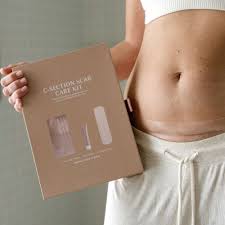
C-section scar care involves gentle cleaning, keeping the area dry, protecting it from irritation, managing pain with recommended methods, and observing for signs of infection or poor healing. Patience and consistent, gentle care are key to helping the scar fade and become less noticeable over time.
Understanding Your C-Section Scar
A C-section scar is a permanent mark left after a Cesarean birth. It’s a testament to the incredible journey your body has taken. This scar is typically a horizontal cut made just above your bikini line.
Sometimes, it can be a vertical cut. The type of incision often depends on the medical situation during birth.
The scar itself goes through several healing stages. Right after surgery, it’s a fresh wound. It will likely be red and may feel tender or slightly raised.
Over time, it should start to flatten and become lighter in color. This process can take months, even up to a year or more, to fully mature.
Knowing what to expect helps a lot. Doctors and nurses will give you initial instructions. But what happens after you go home?
That’s where a good understanding of your scar comes in. We’ll cover how to care for it daily. We’ll also look at what might be normal and what needs a doctor’s attention.
My Own Scar Story: A Little Fuzz and a Lot of Worry
I remember my own C-section scar quite vividly. After the birth of my second child, the initial days were a blur of sleepless nights and newborn cuddles. But then came the first shower.
Standing there, looking down, I saw this bright red line stitched across my belly. It felt… alien. And honestly, a little scary.
I kept wondering, “Will this ever go away?”
I’d gently touch it, feeling the stitches still present. There was a weird fuzziness around it from the medical tape. I felt a knot of anxiety tighten in my stomach.
Was it healing right? Was it too red? Would it itch like crazy?
The fear of infection was also a big worry. I just wanted it to be okay, to be a quiet reminder of a miracle, not a source of constant concern. That feeling of not knowing if you’re doing enough is tough.
The Science Behind Scar Healing
Your body is amazing at healing itself. When you have a C-section, the skin, muscle, and other tissues are cut. Your body immediately starts repairing this damage.
It sends cells to close the wound. This process creates new collagen fibers. These fibers help to knit the tissues back together.
However, this repair process isn’t always perfect. The way the collagen is laid down can affect how the scar looks. Sometimes, the body makes too much collagen.
This can lead to a raised scar, like a keloid or hypertrophic scar. Other times, the healing is good but the scar can still be sensitive for a while.
Understanding these basic steps helps explain why a scar might look or feel a certain way. It’s a biological process. Your unique body will heal in its own way.
Factors like genetics, skin type, and how the incision was closed can all play a part in the final appearance and feel of your scar.
Daily Care Checklist for Your C-Section Scar
Cleanliness is Key: Gently wash the scar area daily. Use mild, unscented soap and warm water. Pat it dry with a clean towel.
Avoid rubbing.
Keep it Dry: Moisture can sometimes slow healing. Make sure the scar is completely dry after washing.
Gentle Protection: Wear loose, soft clothing. Avoid tight waistbands that rub on the scar.
Hydration Helps: Once the initial stitches are out and your doctor says it’s okay, consider using a gentle moisturizer.
Sun Protection: Keep the scar out of direct sunlight. Sun can make it darker and more noticeable.
When to Wash and How to Dry
Washing your C-section scar is really important for preventing infection. It might seem simple, but there’s a right way to do it. After your doctor removes any stitches or staples, you can usually start gentle washing.
Always ask your doctor or nurse for specific timing, as it can vary.
Use plain, unscented soap. Many perfumed soaps can irritate sensitive healing skin. Warm water is best – not too hot, not too cold.
Lather the soap gently in your hands. Then, carefully wash over the scar. Don’t scrub or use a washcloth directly on the scar line.
Think of it as a gentle rinse.
After washing, drying is just as crucial. Never rub the scar with a towel. This can reopen tiny cracks or irritate the healing tissue.
Instead, use a clean, soft towel to gently pat the area dry. You can even let it air dry for a few minutes if you have the time. Make sure the skin folds around the scar are also dry.
Clothing Choices: What to Wear and What to Avoid
Your wardrobe choices can make a big difference in how your C-section scar feels. Tight clothes are your scar’s enemy, especially in the early weeks. Jeans with a high waistband can press directly on the incision.
This pressure can cause discomfort, pain, and even reopen the wound. It can also lead to a raised, thicker scar over time.
Instead, opt for comfort. Think soft fabrics and loose fits. High-waisted maternity pants that come up over your belly are often a good choice.
If you don’t have those, try sweatpants or leggings that sit below your belly or have a very soft, wide waistband. Loose dresses and skirts are also great options.
Cotton underwear that sits low is usually comfortable. Avoid anything with lace or rough seams that might rub. Even your pajamas should be loose.
The goal is to minimize any friction or pressure on the scar. This gentle approach supports better healing and can prevent irritation that might prolong discomfort.
Scar Appearance: What’s Normal and What’s Not
Normal:
- Slight redness for the first few weeks.
- A raised or slightly lumpy feel.
- Mild itching as it heals.
- Stitches or staples gradually dissolving or being removed.
Concerning Signs (Contact Your Doctor):
- Bright red, hot, or swollen scar.
- Pus or foul-smelling discharge.
- Increasing pain that doesn’t get better with rest.
- Fever or chills.
- The scar opening up.
Managing Discomfort and Itching
It’s very common for a C-section scar to be itchy or sore. As your skin heals, nerve endings are regenerating. This can cause a tingling or itching sensation.
Sometimes, the dryness of the healing skin contributes to itching. It’s important not to scratch, as this can damage the healing tissue and increase the risk of infection.
If itching is bothering you, try a cool compress. A clean cloth soaked in cool water and gently placed on the scar can provide relief. Make sure the cloth is soft.
Your doctor might also suggest a mild, unscented moisturizer. Apply it gently. Always check with your doctor before applying anything to a healing wound.
For discomfort or pain, follow your doctor’s advice. They will likely recommend pain relief medication. Over-the-counter options like ibuprofen or acetaminophen might be suggested.
For more severe pain, prescription medication may be necessary. Gentle movement and avoiding strenuous activity also help reduce pain. Listen to your body – rest is crucial.
Moisturizing and Scar Products
Once your stitches are out and your wound is closed, you might wonder about using products to help your scar heal and fade. Moisturizing is key. Dry skin can be uncomfortable and might make the scar more prominent.
Using a gentle, fragrance-free lotion or cream can keep the skin soft and supple.
Some people find success with silicone sheets or gels. These are often recommended by dermatologists. Silicone is thought to help hydrate the scar and flatten raised tissue.
It works by creating a barrier on the skin. Always follow the product instructions carefully. And again, it’s best to get your doctor’s okay before starting any new scar treatment.
Other products contain ingredients like onion extract or vitamin E. The evidence for these is mixed. What works for one person might not work for another.
It’s often a matter of trial and error. The most important thing is to be gentle. Anything you apply should be done with light pressure.
Myths vs. Realities of Scar Healing
Myth: You must keep a C-section scar completely dry and covered at all times.
Reality: Once the wound is closed and stitches are out, gentle washing and allowing the area to breathe are important. Keeping it dry after washing is key, but it doesn’t need to be perpetually covered.
Myth: Scars only need care for the first few weeks.
Reality: Scar tissue continues to mature for a year or more. Gentle care, moisturizing, and sun protection can help improve its appearance long-term.
Myth: All C-section scars look the same.
Reality: Scars vary greatly due to genetics, surgeon technique, and individual healing. Some are barely visible, while others are raised or wider.
Protecting Your Scar from the Sun
Sun exposure is one of the biggest factors that can make a C-section scar more noticeable. Fresh scar tissue is very sensitive to UV rays. If exposed, it can become hyperpigmented.
This means the scar can turn a darker brown or purple color. This darkening can be permanent and make the scar much more obvious.
The best way to protect your scar is to cover it up. Wear clothing that completely covers the scar when you go outside. High-waisted pants or skirts are great for this.
If you can’t cover it completely, use a strong sunscreen with a high SPF (30 or higher). Apply it generously to the scar area about 15–20 minutes before going out.
Reapply sunscreen every two hours, or more often if you’re sweating or swimming. Be diligent about this, especially during the first year after your C-section. Even on cloudy days, UV rays can penetrate.
So, sun protection is important year-round if your scar is exposed. A wide-brimmed hat can also help shield your abdomen.
When to Seek Medical Advice
While most C-section scars heal without major problems, it’s essential to know when to call your doctor. As mentioned, signs of infection are a top priority. This includes increased redness, warmth, swelling, pus, or a fever.
If you notice any of these, contact your healthcare provider right away.
Another reason to seek advice is if the scar is unusually painful. A dull ache is normal, but sharp or worsening pain is not. If the scar seems to be opening up, even slightly, that also needs immediate medical attention.
Sometimes, a scar can become very thick or raised (hypertrophic scar or keloid). If this happens, your doctor can discuss treatment options.
Don’t hesitate to ask questions. Your doctor and nurses are there to help. If you’re worried about how your scar is healing, or if it feels different than you expected, a quick call or visit can give you peace of mind.
Early intervention can often prevent minor issues from becoming bigger problems.
Quick Checks for Your Scar
Visual Check: Look at your scar daily. Is it getting redder? More swollen?
Or is it starting to fade?
Touch Check: Gently feel the scar. Is it tender? Hot to the touch?
Or just feeling like normal skin?
Drainage Check: Look for any discharge from the scar. Is it clear, or is it colored and smelly?
Comfort Check: How does it feel? Is the pain getting better or worse? Is it itching uncontrollably?
Long-Term Scar Management
C-section scar care doesn’t stop after the initial healing phase. For many months, and even years, your scar will continue to mature. This means it will likely change in color and texture.
It will probably become less red and less raised. It may also become less sensitive over time.
Continuing to moisturize the scar area can help keep the skin healthy. Sun protection remains important. If you plan to get a tattoo over your scar, wait at least a year, and discuss it with both your doctor and the tattoo artist.
They can advise on the best timing and techniques.
Some people explore scar massage. Once the incision is fully healed and your doctor approves, gentle massage can help break down scar tissue. This might make the scar softer and less noticeable.
You can use your fingers to gently massage around and over the scar in a circular motion. This is another area where consulting your doctor is wise.
The Role of Diet and Hydration
What you eat and drink can also play a part in your body’s healing process. A balanced diet provides the nutrients your body needs to repair itself. Protein is essential for building new tissue.
Vitamins like C and A are important for skin health and collagen production. Make sure you’re getting enough fruits, vegetables, and lean protein.
Staying hydrated is equally important. Water is crucial for all bodily functions, including wound healing. Dehydration can make your skin dry and less elastic.
This can potentially slow down the healing process. Aim to drink plenty of water throughout the day. Your healthcare provider can give you specific recommendations on fluid intake, especially if you are breastfeeding.
While diet won’t magically make a scar disappear, supporting your body’s overall health gives it the best chance to heal effectively. A nourished body is a well-functioning body, and that includes its ability to mend skin and tissues after surgery. Focus on whole foods and consistent hydration.
When is it Okay to Try Scar Products?
- Stitches/Staples Removed: This is the first big step.
- Wound is Closed: No open areas or scabs.
- No Signs of Infection: No redness, swelling, heat, or discharge.
- Doctor’s Approval: Always the safest bet. Your doctor knows your specific healing progress.
Can Scarring Affect Future Pregnancies?
This is a common concern for many women who have had a C-section. The scar is on your uterus and your abdominal wall. While it generally heals well and doesn’t cause issues for subsequent pregnancies, it’s something your doctor will monitor.
Doctors will often check the uterine scar during future prenatal appointments or ultrasounds. They want to ensure it is strong and healthy. If you plan to have more children, your doctor will discuss the risks and benefits of a vaginal birth after C-section (VBAC) versus scheduling another C-section.
The health of your uterine scar is a key factor in this decision.
The external abdominal scar itself usually doesn’t pose a problem for future pregnancies. However, the internal uterine scar needs careful consideration by your medical team. It’s always best to have open conversations with your obstetrician about your birth plans and the health of your previous surgical sites.
Emotional Aspects of Scar Healing
It’s not just about the physical healing. For many, a C-section scar brings a range of emotions. Some women feel proud of their scar, seeing it as a badge of honor for bringing a child into the world.
Others may feel a sense of grief or disappointment if they had planned for a vaginal birth. Some might feel self-conscious about its appearance.
These feelings are all valid. Your body went through a major surgery. It’s okay to acknowledge the emotional impact.
Talking about these feelings with your partner, friends, or a support group can be incredibly helpful. A therapist or counselor specializing in postpartum mental health can also offer support.
Remember that your scar is just one small part of your story. It doesn’t define you as a mother or as a woman. Be kind to yourself.
Allow yourself time to heal, both physically and emotionally. Focusing on what your body can do, rather than just how it looks, can be a powerful shift in perspective.
Summary of Best Practices for C-Section Scar Care
C-section scar care is a marathon, not a sprint. It requires patience and consistent, gentle attention. The core principles remain the same throughout the healing process.
Firstly, cleanliness is paramount. Gently washing the area daily with mild soap and water, and then patting it completely dry, helps prevent infection.
Secondly, comfort and protection are vital. Wearing loose, soft clothing avoids irritation and pressure that can hinder healing or worsen the scar’s appearance. Protecting the scar from the sun with clothing or sunscreen is crucial for preventing long-term discoloration.
Thirdly, moisturizing, once approved by your doctor, can keep the skin supple and reduce itching. Various scar treatments, like silicone products, may also be helpful over time.
Finally, listening to your body and seeking medical advice when needed is essential. Don’t ignore signs of infection or persistent pain. Your healthcare provider is your best resource for guidance tailored to your individual healing journey.
By following these simple, yet effective, steps, you can support your body’s natural healing process. This will help your C-section scar become less noticeable and more comfortable over time, allowing you to focus on enjoying your new baby.
Frequently Asked Questions About C-Section Scar Care
How long does it take for a C-section scar to heal completely?
The initial healing takes about 6 to 8 weeks for the deep tissues to mend. However, the scar tissue on the surface continues to mature for 12 to 18 months or even longer. During this time, it will likely become lighter and flatter.
Can I exercise after a C-section?
Yes, but you need to be very careful. Start with gentle walking as soon as your doctor says it’s okay. Avoid anything strenuous like heavy lifting or intense abdominal workouts for at least 6 weeks, or until your doctor gives you the green light.
Always listen to your body.
What if my scar is very itchy?
Itching is common as nerves heal. Try not to scratch. You can use a cool compress.
Your doctor might suggest an unscented, gentle moisturizer. Antihistamines might be an option, but always ask your doctor first. Gently patting the area can sometimes help too.
Will my C-section scar prevent me from wearing a bikini?
Many women wear bikinis after a C-section! While the scar is permanent, it’s usually quite low on the abdomen. With time and good care, it often fades enough that most bikini bottoms cover it.
Sun protection is key to keeping it from becoming too dark.
What is scar massage and how do I do it?
Scar massage is a technique used after a wound is fully healed to help break down scar tissue. It can make the scar softer and more flexible. Once your doctor says it’s safe, gently use your fingertips to rub the scar in small circles.
You can do this with a little bit of lotion or oil. Ask your doctor or a physical therapist for guidance.
Are there any foods that can help my scar heal better?
A balanced diet rich in protein, vitamins (especially C and A), and minerals like zinc supports overall wound healing. Foods like lean meats, fish, eggs, dairy, fruits (citrus, berries), vegetables (leafy greens, sweet potatoes), and nuts can be beneficial. Staying hydrated with plenty of water is also very important.
How do I know if my scar is infected?
Signs of infection include increased redness around the scar, warmth to the touch, swelling, pus or a foul-smelling discharge from the wound, and fever. If you notice any of these symptoms, contact your doctor immediately. Prompt treatment is important for preventing complications.
Conclusion: Embracing Your Healing Journey
Your C-section scar is a unique part of your motherhood story. While it’s a reminder of a significant medical procedure, it doesn’t have to be a source of worry. By following gentle care practices, protecting it from the sun, and listening to your body, you can help it heal well.
Be patient with yourself and the process. Healing takes time. Celebrate the strength of your body and the new life you’ve brought into the world.
With proper care, your scar will likely become less prominent and more comfortable, allowing you to embrace your journey with confidence.
