
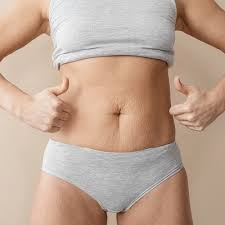
It’s a common question for new moms. You’ve done something amazing, growing a whole human! But sometimes, our bodies show the journey.
Many women notice stretch marks after pregnancy. You might be wondering, do postpartum stretch marks fade? The answer is yes, they often do.
But it takes time. Let’s dive into what you can expect.
Postpartum stretch marks typically fade over many months to a year. They start red or purple and gradually turn lighter, often becoming silvery or white. While they may not disappear completely, their appearance significantly softens.
Understanding Postpartum Stretch Marks
Stretch marks, medically known as striae gravidarum, are a very normal part of pregnancy for many women. They happen when your skin stretches quickly. Think of it like blowing up a balloon. The skin gets stretched thin. This can break the elastic fibers under your skin.
When these fibers break, tiny tears form in the dermis. This is the middle layer of your skin. At first, these tears cause inflammation. This is why stretch marks often appear red, purple, pink, or brown. The color depends on your skin tone.
As your body heals over time, these tears begin to mend. But the skin in that area doesn’t always go back to exactly how it was. The underlying structure changes a bit. This leads to the flattened, sometimes slightly indented appearance of a mature stretch mark.
Why They Appear
Several things make stretch marks more likely. Genetics plays a big role. If your mother or sisters got them, you might too. The amount of weight gained during pregnancy matters. Rapid weight gain stretches the skin faster. Hormonal changes during pregnancy can also affect your skin’s elasticity.
Your skin has amazing resilience. It can stretch a lot. But there’s a limit. When that limit is pushed too fast, the fibers can snap. This is the main reason they show up. It’s not about weakness or not caring for your skin. It’s a physical response to rapid expansion.
The Color Change Over Time
That vibrant red or purple hue doesn’t last forever. It’s like a bruise healing. The initial inflammation goes down. The broken fibers start to heal. As they do, the blood vessels that made them look red or purple become less prominent.
This change can take weeks or months. You might notice them start to look more pink or a lighter shade of red. Then, they often transition to a lighter color than the surrounding skin. Many end up a pale, silvery, or white color. They might also lose some of their initial texture.
My Own Stretch Mark Journey
I remember looking in the mirror a few weeks after my second baby was born. My belly felt so different. And there they were, a map of my pregnancy. Mostly on my lower belly and hips. At first, they were a deep, angry red-purple. I’ll admit, I felt a pang of sadness.
I’d read they were normal. I knew logically it was part of the process. But seeing them felt… like a permanent reminder of the changes. I’d spent so much time trying to prepare my body for pregnancy. I ate well, took prenatal vitamins, and moisturized religiously. Yet, there they were.
I felt a bit defeated. I worried they’d always be so noticeable. My partner was great. He said they were beautiful, a sign of what I’d done. But that’s hard to believe when you’re feeling vulnerable.
What I learned was patience. I didn’t do any special treatments at first. I was too tired! I just let my body recover. Slowly, over months, I noticed the color changing. The bright red faded to a softer pink, then a lighter shade. They didn’t vanish. But they became much less obvious. They blended in more. It felt like my body was embracing the new landscape. It wasn’t a quick fix, but a slow, natural fade.
What Causes Stretch Marks?
Rapid Skin Stretching: This is the main trigger. Pregnancy, fast weight gain, or growth spurts stretch the skin beyond its elastic limit.
Collagen and Elastin Damage: The middle layer of skin (dermis) tears. This affects collagen and elastin, which keep skin firm and stretchy.
Hormonal Influences: Hormones like cortisol can weaken skin fibers, making them more prone to tearing.
The Natural Fading Process
The good news is that your body is incredibly capable of healing. The fading of stretch marks is a natural process. It doesn’t happen overnight, but with time, they become less prominent.
What Happens Underneath
Think of the initial stretch mark as a wound. Your body sends in repair crews. Collagen is a protein that gives skin its structure. Elastin allows skin to stretch and snap back. When these are damaged, your body works to rebuild them.
This rebuilding process takes time. The new collagen and elastin fibers are often laid down differently than before. This is why stretch marks might have a different texture. They might be slightly thinner or have a different feel than the surrounding skin.
Timeline of Change
Most women notice changes within six months postpartum. The most dramatic color fading happens in the first year. However, some subtle changes can continue for longer.
First Few Months: Marks are often still red, pink, or purple. They might be slightly raised or itchy.
6-12 Months: The color starts to lighten significantly. They become less inflamed and flatter. Silvery or white hues start to appear.
1 Year and Beyond: The marks are usually much lighter. They often blend in with your skin tone. They are typically flat and less noticeable.
It’s important to remember that this timeline is general. Every woman’s body heals differently. Some stretch marks fade more than others. Some might remain a bit more visible.
Factors Influencing Fade Rate
While time is the biggest healer, some things can influence how quickly and how much your stretch marks fade.
Skin Type and Tone
People with lighter skin tones often see their red or purple stretch marks fade to a silvery-white. Those with darker skin tones might find their stretch marks fade to a lighter shade of their natural skin color, or they might remain slightly hyperpigmented (darker than surrounding skin). Sometimes, they can fade to a lighter tone (hypopigmented).
Genetics
As mentioned before, your genes play a role. If your family members had stretch marks that faded very little, yours might follow a similar pattern. Conversely, if they faded significantly, you might experience the same.
Severity and Depth
The initial depth and width of the stretch marks can affect how much they fade. Deeper, wider marks might always be a bit more visible than thinner, shallower ones.
Stretch Mark Stages
Stage 1: Striae Rubra
- Red, pink, or purple color
- Slightly raised and itchy
- Inflammation present
Stage 2: Striae Alba
- Color fades to lighter hues
- Silvery or white appearance
- Flatter texture
- Less noticeable
Supporting the Fade: What You Can Do
While you can’t make stretch marks disappear completely, you can support your skin’s natural healing process. The focus here is on skin health and encouraging that fade.
Moisturize, Moisturize, Moisturize!
Keeping your skin hydrated is key. Well-hydrated skin is more supple. This can help it feel more comfortable as it heals. It also makes the texture of the stretch marks less obvious.
When to Apply: Apply moisturizer daily, especially after bathing. Warm water can dry out skin, so moisturizing right after is crucial.
What to Use: Look for rich, creamy moisturizers. Ingredients like hyaluronic acid, ceramides, and shea butter are great. While no cream can “erase” stretch marks, they improve skin texture.
Gentle Massage: When you apply moisturizer, gently massage the area. This can boost circulation. Better blood flow might help skin repair.
Gentle Exfoliation
Exfoliating can help remove dead skin cells. This can make your skin look brighter and feel smoother. This can, in turn, make stretch marks appear less noticeable.
How Often: Do this only once or twice a week. Over-exfoliating can irritate your skin.
What to Use: Use a gentle physical exfoliant like a soft brush or a mild scrub. Chemical exfoliants (like AHAs) are also an option, but use them cautiously, especially on sensitive postpartum skin.
Quick Skin Health Tips
- Hydration: Drink plenty of water each day.
- Nutrition: Eat a balanced diet rich in vitamins C and E. These help with skin repair.
- Sun Protection: Sun can make marks more visible. Use sunscreen on exposed areas.
Consider Professional Treatments (with caution)
For those who are looking for more significant improvement, there are professional options. These are best discussed with a dermatologist. They can offer advice tailored to your skin.
Topical Retinoids: Prescription creams like tretinoin can help rebuild collagen. However, they are NOT recommended during pregnancy or breastfeeding. Always consult your doctor.
Laser Treatments: Certain lasers can improve the appearance of stretch marks. They can help with color and texture. Vascular lasers are often used for red marks, and fractional lasers for texture.
Microneedling: This procedure creates tiny punctures in the skin. This stimulates collagen production. It can help flatten and improve the texture of stretch marks.
Chemical Peels: These can help to remove the top layers of skin. This can reveal smoother skin underneath. Deeper peels are more effective but require more downtime.
Remember that these treatments often require multiple sessions. They can also be expensive. It’s essential to have realistic expectations. They aim to improve appearance, not erase marks entirely.
When to Seek Professional Advice
Most stretch marks are purely cosmetic. But there are times when seeing a doctor is a good idea.
Concerning Symptoms
If your stretch marks are very painful, inflamed, or showing signs of infection (redness spreading, warmth, pus), see your doctor. This is rare but important to check.
Also, if you notice sudden, widespread stretch marks appearing without a clear cause like pregnancy or weight gain, it’s worth mentioning to your doctor. In very rare cases, they can be a symptom of an underlying medical condition like Cushing’s syndrome.
Discussing Treatments
A dermatologist can help you understand the best treatment options for your specific situation. They can also explain the risks, benefits, and costs involved. They can also advise on safe treatments if you are still breastfeeding.
Real-World Context: Life After Baby
It’s easy to get caught up in wanting your body to bounce back perfectly after childbirth. But the reality of postpartum is often much messier and more beautiful than that. Your body has done something incredible. It housed and nurtured a baby.
Stretch marks are a visible testament to that. They are a sign of strength and resilience. Many women learn to embrace them. They become part of your unique story. It’s about accepting your body for all it has been through.
I often tell friends that my stretch marks are like tiny reminders of my babies’ beginnings. They are part of my motherhood journey. While I appreciate them fading, I don’t feel less beautiful because of them.
Normal vs. Concerning Appearance
Let’s be clear: Red, purple, pink, or even white and silvery lines on your belly, breasts, hips, or thighs after pregnancy are almost always normal. They are common.
What would be concerning?
Sudden Appearance: If you notice stretch marks appearing very quickly and all over your body, and you haven’t been pregnant or experienced rapid weight changes.
Severe Pain or Itching: While some itching is normal as they heal, intense, persistent pain is not.
Signs of Infection: Increased redness, warmth, swelling, or discharge.
What This Means For You
- Expect Fading: Understand that natural fading is the primary process.
- Be Patient: It takes many months, even a year or more.
- Gentle Care: Focus on skin hydration and overall health.
- Realistic Goals: Treatments can improve appearance, but perfection isn’t guaranteed.
- Body Acceptance: Your worth isn’t tied to perfect skin.
Quick Tips for Smoother Skin
Here are a few simple things you can do right now. They are easy to add to your busy postpartum routine.
Hydrate from Within: Drink water throughout the day. This helps your skin stay plump and healthy.
Nourish Your Body: Eat foods rich in vitamins A, C, and E, and zinc. These help with skin repair and collagen production. Think fruits, vegetables, nuts, and seeds.
Gentle Massage: When you apply lotion, spend a few extra minutes massaging the areas with stretch marks. This can help boost circulation to the area.
Wear Comfortable Clothes: Avoid tight clothing that might irritate your skin. Loose, soft fabrics are best.
Frequently Asked Questions About Postpartum Stretch Marks
How long does it take for postpartum stretch marks to fade completely?
Stretch marks typically fade significantly over 6-12 months. They often become silvery or white and less noticeable. However, they may not disappear entirely.
Complete disappearance is rare.
Can I get rid of my postpartum stretch marks?
You cannot get rid of them completely. However, their appearance can be greatly improved. Natural fading is the main way they become less visible.
Professional treatments can also help reduce their noticeability.
Why are my postpartum stretch marks still red after a year?
Sometimes, stretch marks can take longer to fade. Genetics, skin type, and the depth of the marks play a role. If they are persistently red and inflamed, it’s worth discussing with a doctor or dermatologist to rule out other issues.
What is the best cream for fading stretch marks?
No cream can guarantee fading. However, rich moisturizers with ingredients like hyaluronic acid, shea butter, and ceramides can improve skin texture and hydration. This makes marks appear less obvious.
Retinoid creams can help but are not safe while breastfeeding.
Will my stretch marks get worse if I gain more weight?
If you gain more weight, new stretch marks could appear. Existing ones might also become more pronounced. However, gradual, healthy weight management is different from rapid stretching.
Are stretch marks a sign of a problem?
For most people, postpartum stretch marks are a normal part of pregnancy and a sign of healthy skin stretching. They are typically not a sign of a health problem. If you have concerns about their sudden appearance or other symptoms, consult your doctor.
Final Thoughts on Your Skin’s Journey
Your body has undergone a huge transformation. Stretch marks are a part of that story for many. They are a natural consequence of expansion. While they often fade beautifully over time, remember that patience is key. Focus on nourishing your body and being kind to yourself. Your skin is resilient, and it’s telling a story of life.
