
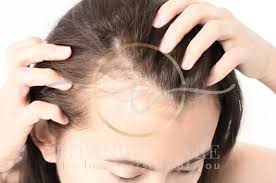
Postpartum hair loss, also known as telogen effluvium, is a temporary condition where a woman experiences increased hair shedding a few months after giving birth. This happens due to a drop in hormones that kept hair in the growth phase during pregnancy. It’s a normal part of the postpartum recovery process for many.
What is Postpartum Hair Loss?
Postpartum hair loss is a very real thing many new mothers experience. It’s not a sign that something is wrong with you or your baby. Instead, it’s your body adjusting after pregnancy. During pregnancy, your hormone levels are super high. These hormones keep your hair in the growing phase for longer. You might have noticed your hair felt thicker and fuller while you were pregnant. That’s because fewer hairs were falling out than usual.
Once the baby arrives, your hormone levels drop significantly. This sudden change signals to your body that it’s time for those extra hairs to shed. It’s like your body is catching up. The hairs that stayed longer during pregnancy now enter the resting phase and then fall out. This is called telogen effluvium. It’s a temporary condition, and for most women, it’s a natural part of the postpartum healing process.
Why Does Postpartum Hair Loss Happen?
The main culprit behind postpartum hair loss is the dramatic shift in your body’s hormones. Specifically, estrogen levels drop quickly after you give birth. During pregnancy, high estrogen levels prolong the anagen, or growth, phase of your hair follicles. This means that fewer hairs enter the telogen, or resting, phase, leading to that thicker, fuller hair many women enjoy during pregnancy.
Think of it this way: your hair cycle was put on hold during pregnancy. After delivery, your body’s hormones return to their pre-pregnancy levels. This hormone drop essentially tells all the hairs that were in the prolonged growth phase to now enter the resting and shedding phase. So, you’re not losing more hair than usual in total; you’re just shedding the hair that you would have normally shed over the past nine months, all at once.
Other factors can also play a role. The physical and emotional stress of childbirth and caring for a newborn can also contribute. Lack of sleep, changes in diet, and even potential nutritional deficiencies (like iron or vitamin D) can put extra strain on your body and hair. Your body has been through a lot, and hair shedding is often one of its ways of showing it.
The Postpartum Hair Loss Timeline: What to Expect
It’s crucial to remember that everyone’s experience is unique. However, there’s a general timeline most women follow. This pattern can help you know what’s coming and prepare yourself.
The shedding usually doesn’t start right after birth. It typically begins around 2 to 5 months postpartum. This might seem like a long time, but your body needs a little while to adjust its hormone levels. That beautiful, thick hair you had during pregnancy might start to feel a bit thinner around the crown or temples first.
The shedding can be quite noticeable. You might find hair in your shower drain, on your pillow, or clinging to your clothes. It’s common to feel alarmed by the amount of hair that seems to be falling out. This phase can last for several months. For some women, it might be 3 to 6 months of increased shedding. For others, it could extend a bit longer.
After the peak shedding period, your hair will gradually start to return to its normal growth cycle. You’ll begin to see new baby hairs starting to grow. These are often shorter and can be a little fuzzy at first. It takes time for these new hairs to catch up in length to the rest of your hair. Full recovery can take anywhere from 6 months to a year, or even longer for some. Patience is key during this phase.
Typical Postpartum Hair Loss Stages
Stage 1: Pregnancy Glow (Months 1-9)
Hormones keep hair in growth phase. You enjoy thicker, fuller hair. Shedding is minimal.
Stage 2: The Drop (Post-Birth)
Hormone levels fall rapidly. Your body starts to rebalance.
Stage 3: Shedding Begins (2-5 Months Postpartum)
Hairs that stayed longer now shed. Increased hair fall is noticeable. This is telogen effluvium.
Stage 4: Peak Shedding (Several Months)
Hair loss can feel significant. It may last 3-6 months or more.
Stage 5: Regrowth (6-12+ Months Postpartum)
Shedding slows. New baby hairs start to appear. Hair density gradually returns.
My Own Experience with Postpartum Hair Loss
I remember it so clearly. I had what felt like the best hair of my life during my second pregnancy. It was thick, shiny, and hardly shed at all. I was beaming! Then, around the four-month mark after my son was born, it started. I’d run my hands through my hair, and a clump would come out. My hairbrush looked like a small animal had nested in it.
My shower drain became my nemesis. Every time I washed my hair, I felt a pang of dread. I’d find long strands all over my clothes, my toddler’s toys, and even in my baby’s bassinet. It was embarrassing and frankly, made me feel less like myself. I started to avoid tying my hair up because I felt like I was just showing off the thinning spots. I remember one morning, I was getting ready for an online work meeting, and as I brushed my hair, I actually cried a little. It felt like another thing I couldn’t control in this whirlwind of new motherhood. I had so many questions: Was this normal? Would it ever stop? Would I be stuck with thin hair forever? It was a really anxious time. I felt like my body was betraying me, on top of everything else.
Understanding the Hormonal Shift
Let’s dive a little deeper into the hormones. During pregnancy, your body produces significantly more estrogen. Estrogen is a key player in hair growth. It helps to extend the anagen phase, which is the active growth period for your hair follicles. This means your hair grows longer and stronger, and fewer hairs are in the resting (telogen) phase. This is why you might have noticed your hair felt thicker and fuller throughout your pregnancy.
After you give birth, your estrogen levels plummet. This sharp decline acts like a signal to your hair follicles. It tells them that the extended growth phase is over. Suddenly, a large number of hairs that were being held in the anagen phase are prompted to enter the telogen, or resting, phase. And then, they shed. This mass shedding is telogen effluvium. It’s a natural biological response to the hormonal shift.
It’s important to understand that this shedding is not permanent hair loss. You are not losing the follicles themselves. You are simply experiencing a synchronized shedding of hairs that would have fallen out gradually over a longer period. The good news is that once your hormones start to stabilize, your hair follicles will resume their normal growth cycle.
Common Patterns of Postpartum Hair Loss
While the overall timeline is consistent, how the hair loss manifests can vary. Most women experience diffuse thinning across their scalp rather than bald spots. This means that your hair might just seem less voluminous all over. However, some women notice thinning more prominently around the hairline, especially at the temples and forehead. These are often called “baby hairs” when they start to grow back.
The shedding is usually most noticeable when you are washing or brushing your hair. You might see a large amount of hair come out at once. This can be quite alarming, but it’s typically part of the normal process. It’s the cumulative effect of hairs that have reached the end of their extended growth cycle.
The rate of shedding usually peaks within the first few months after birth. After this peak, the shedding should start to slow down. It might feel like it takes forever, but be patient. Your hair is working to reset itself.
Spotting the Signs: Where You Might Notice It Most
- Crown of the Head: Often the first place thinning is noticed.
- Temples and Forehead: Hairline can recede slightly.
- Parting: Your part might seem wider.
- Shower Drain: A significant amount of hair in the drain after washing.
- Hairbrush: More hair caught in the bristles than usual.
Factors That Can Influence Your Timeline
Several things can influence how long your postpartum hair loss lasts and how severe it might be. Your genetics play a role; if your mother or sisters experienced significant hair loss, you might too. The health of your body before, during, and after pregnancy matters.
If you had nutritional deficiencies before or during pregnancy, your body might be more prone to shedding. Things like anemia (iron deficiency) are common in women and can contribute to hair loss. Stress levels are also a big factor. The physical and emotional stress of childbirth, recovery, and new motherhood can exacerbate hair shedding.
The type of delivery can also play a role. A more challenging birth or a C-section might put more physical stress on your body, potentially leading to a more pronounced shedding phase. Breastfeeding can also influence hormone levels, though its direct impact on hair loss is debated and varies greatly among individuals. Some women find breastfeeding helps stabilize hormones faster, while others experience continued shedding.
When to Seek Professional Advice
While postpartum hair loss is usually temporary, there are times when you should consult a doctor or a dermatologist. If the hair loss is sudden, patchy, or you see bald spots, it might be something other than typical telogen effluvium. These could be signs of other conditions like alopecia areata or thyroid issues.
If your hair loss persists for more than a year, or if you have other concerning symptoms like extreme fatigue, weight changes, or changes in your menstrual cycle, it’s important to get checked out. Your doctor can rule out any underlying medical conditions and offer personalized advice. They can also check for nutritional deficiencies that might be contributing.
Remember, it’s always better to be safe than sorry. Don’t hesitate to reach out for professional help if you have any doubts or concerns about your hair loss. Your health and well-being are paramount.
What Can You Do to Help Your Hair Grow Back?
While you often have to ride out the shedding phase, there are things you can do to support healthy hair regrowth. Focusing on nutrition is key. Ensure you’re eating a balanced diet rich in vitamins and minerals essential for hair health.
Consider supplements, but always talk to your doctor first. Iron, Vitamin D, Biotin, and Zinc are often recommended for hair health. However, taking too much of certain vitamins can be harmful. Your doctor can test your levels and recommend appropriate dosages if needed. They might also suggest a good prenatal vitamin that you can continue taking postpartum.
Gentle hair care practices are also important. Avoid harsh chemical treatments, tight hairstyles that pull on your hair (like tight ponytails or braids), and excessive heat styling. Use a wide-tooth comb to detangle your hair gently, starting from the ends and working your way up. Using sulfate-free shampoos and conditioners can also be beneficial.
Scalp massage can help improve blood circulation to the hair follicles, which may promote growth. You can do this gently with your fingertips or use a scalp massager. Some people find using gentle hair growth serums or oils helpful, but again, results vary, and it’s good to research ingredients and consult with a professional.
Tips for Supporting Healthy Hair Regrowth
- Nutrition: Eat a balanced diet with lean proteins, fruits, vegetables, and whole grains.
- Supplements: Discuss iron, Vitamin D, Biotin, and Zinc with your doctor.
- Gentle Care: Avoid heat styling, tight hairstyles, and harsh chemicals.
- Scalp Massage: Gently massage your scalp to boost circulation.
- Hydration: Drink plenty of water.
- Stress Management: Find ways to reduce stress (even short breaks help).
Managing Stress and Self-Care
The demands of a newborn are immense, and stress is almost unavoidable. However, chronic stress can negatively impact your hair growth. Finding ways to manage stress, even in small doses, is important. This could mean taking a few minutes each day for deep breathing exercises, listening to calming music, or asking for help from your partner, family, or friends.
Self-care isn’t selfish; it’s essential for your overall well-being, which directly impacts your physical health, including your hair. Prioritize sleep as much as possible. Even short naps can make a difference. Take a warm bath, read a book for a few minutes, or go for a short walk. Small acts of self-kindness can help reduce stress and promote a sense of calm.
When you feel calmer and more rested, your body can better focus on healing and regrowth. Remember that this phase is temporary, and you are doing a great job managing the many demands of new motherhood. Be kind to yourself.
Postpartum Hair Loss vs. Other Types of Hair Loss
It’s helpful to distinguish postpartum hair loss from other types of hair loss. Telogen effluvium, the common postpartum shedding, is characterized by diffuse thinning all over the scalp. You don’t typically see distinct bald patches. The hair follicles are still active and capable of regrowth.
Other types of hair loss, such as alopecia areata, involve the immune system attacking hair follicles, leading to patchy hair loss. Female-pattern hair loss (androgenetic alopecia) is a genetic condition that causes gradual thinning, typically more noticeable on the top of the head. If you notice sudden, excessive hair loss, or hair loss in specific patches, it’s important to consult a healthcare professional to get an accurate diagnosis. Postpartum hair loss is a temporary response to hormonal changes, not a sign of a permanent condition.
Contrast: Postpartum Hair Loss vs. Other Issues
Postpartum Hair Loss (Telogen Effluvium):
- Cause: Hormonal shift after childbirth.
- Pattern: Diffuse thinning all over the scalp.
- Timeline: Starts 2-5 months postpartum, lasts several months, then regrows.
- Follicles: Healthy, regrowth expected.
Other Hair Loss Conditions (e.g., Alopecia Areata):
- Cause: Autoimmune, genetic, or other medical issues.
- Pattern: Often patchy, distinct bald spots.
- Timeline: Can be sudden, chronic, or unpredictable.
- Follicles: May be damaged or inactive, regrowth can be uncertain.
When Will My Hair Start to Look Normal Again?
The question on every new mom’s mind: when will my hair return to normal? As mentioned, the shedding phase usually lasts for a few months. After the peak shedding stops, you’ll begin to see new growth. These new hairs will start to fill in.
It takes time for these new hairs to grow to the length of your existing hair. You might notice a halo of shorter hairs around your head. This is a good sign of regrowth! This phase can last from six months to a year or even longer. Full density and thickness might take up to 18 months to return for some women.
Patience is truly your best friend during this period. Focus on supporting your hair’s health and trust that your body will recover. Celebrate the new baby hairs as a sign of progress!
Can I Prevent Postpartum Hair Loss?
Unfortunately, you can’t entirely prevent postpartum hair loss because it’s a natural hormonal process. Your body is doing what it needs to do to rebalance itself after pregnancy. However, you can take steps to support your hair health and potentially minimize the severity or duration of the shedding.
Focusing on a nutrient-rich diet is the most important thing you can do. Ensure you’re getting enough protein, iron, and essential vitamins. Continue taking your prenatal vitamins if recommended by your doctor. Staying hydrated also plays a role in overall health, including hair health.
Managing stress and getting as much rest as possible will help your body recover. Gentle hair care practices will prevent further breakage and support the strands that are still growing. While you can’t stop it completely, you can help your body navigate this phase more smoothly.
The Psychological Impact of Postpartum Hair Loss
It’s important to acknowledge that postpartum hair loss can have a significant psychological impact. Many women feel self-conscious and distressed by the changes in their appearance. This can add to the already challenging emotions that can come with new motherhood, such as the baby blues or postpartum depression.
Feeling like you’re losing control over your body can be upsetting. It can affect your self-esteem and confidence. If you’re finding the hair loss is causing you significant distress, anxiety, or sadness, please talk to someone. Reach out to your partner, a trusted friend, your doctor, or a mental health professional. There are resources available to support you through this.
Remember that you are not alone. Many women experience this, and it is a temporary phase. Focusing on self-compassion and seeking support can make a big difference in how you feel during this time.
Quick Checks for Your Hair Health
Here are a few simple checks you can do at home to monitor your hair health and see if things are on the right track:
The Gentle Pull Test: Gently tug on a few strands of hair in different areas of your scalp. If a significant number of hairs come out easily (more than a few), it might indicate continued shedding. This test is more effective when shedding is active.
Observe New Growth: Look for short, fine hairs along your hairline or throughout your scalp. These are your new baby hairs, a sign of healthy regrowth. They might feel wispy at first.
Scalp Condition: Check your scalp. Is it dry, itchy, or flaky? A healthy scalp is crucial for healthy hair growth.
Overall Density: Gently part your hair in different sections. Is the scalp increasingly visible? If the thinning seems to be stabilizing or improving, that’s a good sign.
These are simple observations, not medical diagnoses. They are meant to give you a general sense of what’s happening with your hair.
Frequently Asked Questions about Postpartum Hair Loss
When does postpartum hair loss usually start?
Postpartum hair loss typically begins about 2 to 5 months after giving birth. This is when hormone levels drop significantly.
How long does postpartum hair loss typically last?
The shedding phase can last for several months, often peaking around 3 to 6 months postpartum. Full regrowth can take 6 to 12 months or longer.
Is it normal to see bald spots with postpartum hair loss?
No, it’s not typical. Postpartum hair loss usually causes diffuse thinning all over the scalp. Bald spots might indicate another condition.
Can breastfeeding affect postpartum hair loss?
Breastfeeding can influence hormone levels, and its effect varies. Some women experience continued shedding while breastfeeding, while others see it stabilize.
What nutrients are most important for postpartum hair regrowth?
Key nutrients include iron, protein, Vitamin D, Biotin, and Zinc. A balanced diet is crucial, and supplements may help if you have deficiencies.
How can I make my hair look thicker while it’s growing back?
You can use volumizing shampoos and conditioners, try root-lifting sprays, consider strategic haircuts, or use hair fibers designed to make thinning hair look fuller.
Final Thoughts
Experiencing postpartum hair loss can be a disconcerting part of new motherhood. It’s a visible reminder of the massive changes your body has undergone. While the increased shedding might feel alarming, remember that it is a normal, temporary condition driven by hormonal shifts. Understanding the timeline, supporting your body with good nutrition and self-care, and being patient with the regrowth process are key. Your hair will likely return to its former glory, or a new normal, in time. You are strong, and your body is resilient.
