
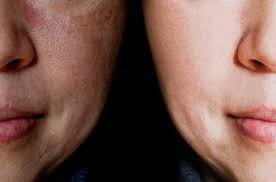
Postpartum hyperpigmentation, often seen as dark spots or patches on the skin, is a common skin change after pregnancy. It usually happens due to hormonal shifts affecting melanin production. While it often fades on its own, there are safe ways to help the process and improve skin tone.
Understanding Postpartum Hyperpigmentation
First off, let’s understand what’s going on. Your skin is amazing. It changes a lot during pregnancy.
Hormones are the big drivers here. They tell your skin to make more melanin. Melanin is the pigment that gives your skin its color.
Sometimes, this happens unevenly.
This uneven melanin production can lead to darker patches. Think of melasma, also called the “mask of pregnancy.” Or it could be post-inflammatory hyperpigmentation. This happens if you had acne or other skin issues during pregnancy.
Even small scars can become darker.
These changes are usually temporary. But they can stick around. And for many, they are a source of worry.
It’s tough when you’re already dealing with so much. You want to feel like yourself again. And your skin is a big part of that.
We want to help you feel confident.
Several factors can influence postpartum hyperpigmentation:
- Hormonal Fluctuations: The rise and fall of estrogen and progesterone are key. They stimulate melanocytes, the cells that produce melanin.
- Genetics: If your family members tend to get dark spots easily, you might too.
- Sun Exposure: The sun is a major trigger. It can make existing dark spots much worse. Protecting your skin is vital.
- Inflammation: Any skin irritation or injury, like acne or a cut, can lead to post-inflammatory hyperpigmentation.
The good news is that this is a common concern. Many women experience it. And there are many gentle, effective ways to help your skin heal and regain its even tone.
We’ll explore these together.
My Own Experience with Postpartum Skin Changes
I remember staring in the bathroom mirror a few months after my second baby was born. The exhaustion was a constant companion. But one afternoon, the light caught my forehead.
It was a dark patch, right above my eyebrows. I’d had a bit of melasma during pregnancy, but this felt different. More pronounced.
It made me feel… off. Like my body was showing all the wear and tear.
I felt a pang of frustration. I was finally getting a little sleep. And now this.
It felt like another thing to fix. I wanted to feel like me again, not just a tired mom. I worried it would be permanent.
That thought added a layer of anxiety to an already overwhelming time.
It was tempting to grab the strongest skin lightener I could find. But I was breastfeeding. And my skin felt so sensitive.
I knew I needed a gentler approach. This push for quick fixes is so common. But it’s often not the best path for our skin, especially postpartum.
This experience made me dive deep into understanding skin and healing. I learned so much about what our skin needs to recover. And how to support it naturally.
It took patience. But slowly, surely, my skin started to even out. I want to share what I learned with you.
So you don’t have to feel so lost.
Quick Skin Check Guide
What to Look For:
- Shape: Are the spots round or irregular?
- Location: Do they appear on your face, neck, or chest?
- Color: Are they brown, tan, or grayish?
- Borders: Are the edges sharp or blurry?
When to See a Doctor: If you notice any spots that are changing rapidly, have irregular borders, or are concerning in any way, it’s always best to check with a dermatologist.
Gentle Ways to Fade Dark Spots
The key word here is gentle. Your body is healing. Your skin is recovering from pregnancy and birth.
We don’t want to add stress. Instead, we want to nurture it.
There are many effective methods that are safe for new moms. And they don’t require harsh chemicals. Think of supporting your skin’s natural healing process.
Making it stronger. Helping it to rebuild.
We’ll look at natural ingredients. Simple habits. And how to protect your skin.
These steps work together. They build a strong foundation for healthy, even-toned skin. Remember, consistency is more important than intensity.
Natural Brightening Ingredients
Nature offers some wonderful gifts for skin. Many ingredients can help fade dark spots. They work by gently inhibiting melanin production or promoting cell turnover.
Cell turnover is when your skin sheds old cells and makes new ones.
- Vitamin C: This antioxidant is a star player. It helps to brighten skin. It also protects against sun damage. Look for serums with stabilized Vitamin C.
- Niacinamide (Vitamin B3): This is another powerhouse ingredient. It helps to reduce inflammation. And it can improve skin barrier function. It’s known for reducing the appearance of dark spots.
- Licorice Root Extract: This natural ingredient has compounds that can calm skin. They also help to lighten dark marks.
- Alpha Arbutin: This is derived from bearberry. It’s a safe and effective skin lightener. It works by slowing down melanin production.
- Kojic Acid: Found in certain mushrooms. It’s another effective agent for fading dark spots. Use products with lower concentrations to start.
When using these ingredients, start slowly. Introduce one new product at a time. This helps you see how your skin reacts.
Patch testing is always a good idea.
Exfoliation: The Gentle Way
Exfoliation is crucial. It helps remove the pigmented skin cells. But we need to be careful.
Harsh scrubs can cause more inflammation. This can worsen dark spots.
Opt for gentle chemical exfoliants. These are often AHAs (alpha hydroxy acids) or BHAs (beta hydroxy acids). But use them sparingly and at lower concentrations.
- Lactic Acid: This is a gentle AHA. It helps to hydrate skin while it exfoliates. It’s a good choice for sensitive skin.
- Mandelic Acid: Another gentle AHA. It’s derived from almonds. It’s great for sensitive or acne-prone skin. It also helps with hyperpigmentation.
- Enzyme Peels: These use fruit enzymes. Like papaya or pineapple. They are very mild and good for brightening.
Start by exfoliating once a week. You can slowly increase to twice a week if your skin tolerates it. Always follow up with a good moisturizer.
And never skip sunscreen the next day.
It’s important to listen to your skin. If you feel any stinging or burning, stop. Give your skin a break.
Healing is a process. Not a race.
Natural Ingredient Spotlight
Licorice Root: Known for its anti-inflammatory and skin-brightening properties. It contains glabridin, which inhibits tyrosinase, an enzyme needed to produce melanin. This makes it effective at fading dark spots and evening skin tone.
Sun Protection: Your Skin’s Best Friend
This is non-negotiable. Seriously. Even on cloudy days.
Sun exposure is the biggest enemy of fading hyperpigmentation. It can darken existing spots. And it can cause new ones to form.
Think of it like this: you’re trying to lift the color. The sun is putting more color back.
What kind of sunscreen? You need one that offers broad-spectrum protection. This means it protects against both UVA and UVB rays.
UVA rays penetrate deeper. They cause aging and can trigger melanin production. UVB rays cause sunburn.
Look for sunscreens with an SPF of 30 or higher. Mineral sunscreens are often a good choice. They contain zinc oxide or titanium dioxide.
These ingredients sit on top of the skin. They physically block the sun’s rays. They tend to be less irritating.
Key Sun Protection Habits:
- Apply Generously: Don’t skimp! Most people don’t use enough.
- Reapply Often: Every two hours. More if you’re sweating or swimming.
- Seek Shade: Especially between 10 AM and 4 PM.
- Wear Protective Clothing: Hats, sunglasses, and long sleeves help.
- Avoid Tanning Beds: They are incredibly harmful.
Wearing a wide-brimmed hat is a simple yet powerful tool. Especially when you’re out for a walk with the stroller. It shields your face effectively.
Combining sunscreen with physical barriers offers the best defense.
It might feel like a hassle at first. But making sunscreen a daily habit is a game-changer. It’s not just for fading spots.
It’s for overall skin health. And preventing future issues.
Sunscreen Guide for New Moms
- SPF 30+ Broad Spectrum
- Mineral-Based: Zinc Oxide or Titanium Dioxide
- Apply Every Morning: Even indoors!
- Reapply Outdoors: Every 2 hours
- Wear a Hat: For extra protection
Home Remedies and DIY Care
Many natural ingredients found in your kitchen can help. These are often very gentle. And they can be a cost-effective way to start.
But remember, “natural” doesn’t always mean “safe for everyone.” Always patch-test first.
- Yogurt and Honey Mask: Yogurt contains lactic acid. Honey is a natural humectant and has antibacterial properties. Mix plain yogurt with a little honey. Apply to your face for 15-20 minutes. Rinse with warm water.
- Papaya Mask: Papaya contains enzymes like papain. These enzymes can gently exfoliate skin. Mash ripe papaya. Apply to your face. Leave for 10-15 minutes. Rinse.
- Turmeric Paste: Turmeric has anti-inflammatory and antioxidant properties. Mix turmeric powder with milk or yogurt to form a paste. Apply to the affected areas. Leave for 10 minutes. Rinse thoroughly. Be aware that turmeric can temporarily stain the skin yellow.
- Aloe Vera: Pure aloe vera gel is soothing. It can help with skin regeneration. It’s known for its healing properties. Apply fresh aloe vera gel directly to dark spots. Leave it on.
When using DIY remedies, focus on consistency. Doing a mask once a week or applying aloe daily can make a difference over time. These are often used as complementary treatments.
Some resources suggest lemon juice. While lemon juice has citric acid which can lighten skin, it’s also very acidic. It can cause photosensitivity and irritation.
It’s generally not recommended, especially for sensitive postpartum skin. Stick to milder options.
DIY Mask Recipe: Gentle Brightening
Ingredients:
- 2 tablespoons plain, unsweetened yogurt
- 1 teaspoon honey
- Optional: A pinch of turmeric powder (use with caution for staining)
Instructions:
- Mix ingredients well.
- Apply a thin layer to clean skin.
- Leave on for 15 minutes.
- Rinse with lukewarm water.
- Follow with moisturizer.
- Use once a week.
Lifestyle Factors That Help
What you do day-to-day matters. It all adds up. Think about nurturing your body from the inside out.
Postpartum is a time of great change and stress. Taking care of yourself truly helps your skin.
Diet and Hydration
Eating a healthy, balanced diet is vital. Your body is still recovering. Nutrients help repair skin cells.
Foods rich in antioxidants are great. Think berries, leafy greens, and colorful vegetables. Omega-3 fatty acids, found in fish and flaxseeds, help reduce inflammation.
Stay well-hydrated. Drinking plenty of water is essential for overall skin health. It keeps your skin plump and elastic.
It helps flush out toxins. Aim for at least 8 glasses of water a day. Maybe more if you’re breastfeeding.
Limit processed foods. These often contain unhealthy fats and sugars. They can contribute to inflammation in the body.
Which can indirectly affect your skin.
Stress Management
This is a big one for new parents. Stress can wreak havoc on your skin. It can trigger breakouts.
And it can worsen hyperpigmentation. Find ways to manage stress, even small ones.
This could be a few minutes of deep breathing. A short walk outside. Listening to music.
Or asking for help from your partner or family. Even 10 minutes of quiet time can make a difference.
Sleep, when you can get it, is also a powerful stress reliever and healer. Prioritize rest as much as possible. This might mean accepting help with chores or night feedings.
Nourishing Foods for Skin
- Berries: High in antioxidants.
- Leafy Greens (Spinach, Kale): Packed with vitamins and minerals.
- Fatty Fish (Salmon, Mackerel): Rich in Omega-3s.
- Nuts and Seeds (Walnuts, Flaxseeds): Good sources of healthy fats and Vitamin E.
- Sweet Potatoes: Contain beta-carotene.
When to Seek Professional Help
While many dark spots fade with time and gentle care, sometimes you need more. Don’t hesitate to consult a professional.
Consulting a Dermatologist
A dermatologist can accurately diagnose the type of hyperpigmentation you have. They can also rule out other skin conditions. If your spots are very stubborn or concerning, they have stronger treatment options.
They might suggest:
- Prescription Creams: Such as hydroquinone (use with caution and under strict medical supervision, especially if breastfeeding).
- Chemical Peels: Stronger peels that are done in-office.
- Laser Treatments: These can be very effective but are usually not recommended while breastfeeding.
It’s important to discuss your breastfeeding status with your doctor. Many treatments are not safe during this period. They can guide you on the best and safest options for you.
Sometimes, just getting a diagnosis can be a relief. Knowing what you’re dealing with makes it easier to manage. And a dermatologist can offer personalized advice based on your skin type and concerns.
Doctor Consultation Checklist
When to book an appointment:
- Hyperpigmentation is worsening.
- Spots are changing shape or color.
- You’re concerned about a specific mark.
- Home remedies aren’t helping after several months.
- You want professional advice on safe treatments.
Realistic Expectations
It’s important to be patient with yourself and your skin. Postpartum healing is a journey. Fading hyperpigmentation takes time.
Some spots might disappear completely. Others may fade significantly but not vanish entirely.
Give your skin at least 3-6 months of consistent, gentle care. You might start seeing improvements sooner. But significant changes often require patience.
Celebrate small wins along the way.
Focus on overall skin health. When your skin is well-nourished, protected, and cared for, it looks and feels better. Even if a faint mark remains, healthy skin glows.
Remember, your body has done an incredible thing. It’s brought a child into the world. Be kind to yourself.
Your skin is a reflection of that amazing journey.
Common Questions About Postpartum Hyperpigmentation
Will postpartum hyperpigmentation go away on its own?
Often, yes. Many women find that postpartum hyperpigmentation fades gradually over several months to a year after childbirth. This happens as hormone levels return to normal.
However, some spots may persist longer. Consistent sun protection and gentle skincare can aid this process.
Is it safe to use skin-lightening creams while breastfeeding?
This is a critical question. Many common skin-lightening ingredients, like hydroquinone and retinoids, are not recommended during breastfeeding. Always consult your doctor or dermatologist before using any new skincare products.
They can recommend safe alternatives or advise on when it’s okay to use certain treatments.
Can I use natural remedies like lemon juice for dark spots?
While natural, ingredients like lemon juice are very acidic. They can cause skin irritation, redness, and make your skin more sensitive to the sun. This could potentially worsen hyperpigmentation.
It’s safer to stick with gentler, proven natural ingredients like Vitamin C, licorice root, or yogurt masks.
How long does it take for dark spots to fade after pregnancy?
The timeline varies greatly for each person. Some notice fading within a few months. For others, it might take up to a year or more.
Patience and consistent care are key. Sun protection is the most important factor in preventing them from getting darker and helping them fade.
Is melasma different from other postpartum hyperpigmentation?
Melasma is a common type of hyperpigmentation that often appears during pregnancy. It typically shows up as larger, irregular patches on the face, often on the cheeks, forehead, and upper lip. Postpartum hyperpigmentation is a broader term that can include melasma, but also other types of dark spots like post-inflammatory hyperpigmentation.
What is the best first step to take for new dark spots?
The very first step should be to ensure you are consistently using a broad-spectrum sunscreen (SPF 30+) every single day. This prevents existing spots from darkening and new ones from forming. After that, introducing a gentle serum with Vitamin C or Niacinamide can also be very effective.
Final Thoughts on Your Skin Journey
Navigating postpartum skin changes can feel overwhelming. But you’re not alone. This phase is temporary.
With gentle care, patience, and the right strategies, you can help your skin heal and regain its radiance. Focus on nurturing yourself, inside and out. Your skin will thank you for it.
