
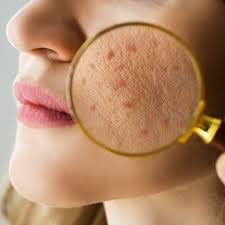
It’s completely understandable to feel frustrated by new or returning acne, especially after you’ve just gone through pregnancy. Your body is going through so many changes, and seeing your skin react can add an extra layer of worry. You’re not alone in this.
Many new moms experience skin issues, and finding a way to manage them gently and effectively is key.
Postpartum acne is a common skin condition affecting many new mothers. It can be caused by fluctuating hormones after childbirth. Treatment often involves gentle skincare, dietary adjustments, and sometimes medical consultation for persistent cases.
Understanding Postpartum Acne
Your skin might be showing you the effects of huge hormonal shifts. During pregnancy, your estrogen levels are high. This often makes your skin look good.
After delivery, those levels drop fast. Your progesterone also changes. This can make your oil glands more active.
More oil means more chances for pores to get blocked. This leads to pimples, blackheads, and whiteheads.
This acne often appears on the face. It can also show up on your neck, chest, or back. The type of acne can vary.
You might see small red bumps. You might also see deeper, painful cysts. It’s a very real part of postpartum recovery for some.
It feels unfair when you’re already tired and busy.
The timing can be tricky. It might show up weeks or even months after giving birth. It’s not just a cosmetic issue.
For some, it can affect their self-esteem. Feeling good about yourself helps you enjoy this special time. Dealing with acne can make that harder.
The good news is, there are ways to help your skin heal.
It’s important to remember that this is usually temporary. Your hormones will eventually settle. Your skin often improves with them.
Knowing what’s happening can make it feel less scary. It’s a normal bodily response. It’s not a sign you’re doing anything wrong as a new mom.
The Hormone Rollercoaster: Why Acne Appears
Hormones are the main players here. Think of them as messengers in your body. During pregnancy, hormones like estrogen and progesterone are high.
Estrogen can help skin look smoother and less oily. Progesterone can make pores slightly bigger. This might seem counterintuitive, but it can sometimes help prevent blockages.
Once the baby is born, your hormone levels change drastically. Estrogen and progesterone drop quickly. This can trigger your sebaceous glands to produce more oil.
Androgens, like testosterone, which are always present, can become more dominant. They signal those oil glands to work overtime. This excess oil, mixed with dead skin cells, can clog pores.
This hormonal imbalance is the primary driver. It’s similar to teenage acne or acne that flares up during your period. But the postpartum period has its own unique hormonal signature.
It’s a sudden, significant shift. Your body is adjusting to not being pregnant anymore. This adjustment period can last for several months.
Sometimes, stress can also play a role. Being a new parent is incredibly stressful. New moms are often sleep-deprived.
They are recovering from birth. They are learning to care for a new baby. Stress hormones, like cortisol, can also increase oil production.
This adds fuel to the acne fire. It’s a tough cycle.
So, the acne isn’t a punishment. It’s a signal. Your body is going through a massive transition.
Understanding this helps us approach postpartum acne treatment with more patience and self-compassion.
Hormonal Triggers for Postpartum Acne
- Estrogen Drop: After birth, estrogen levels decrease significantly.
- Progesterone Changes: Progesterone levels also fluctuate, impacting skin.
- Androgen Dominance: With lower estrogen, androgens can become more influential.
- Stress Hormone (Cortisol): High stress can increase oil production.
- Thyroid Hormones: Postpartum thyroid changes can sometimes affect skin.
My Own Postpartum Acne Story
I remember it so clearly. My daughter was about six weeks old. I was finally starting to feel a tiny bit more human.
I looked in the mirror one morning and gasped. My forehead was covered in angry red bumps. I’d never had bad acne before.
A few small pimples here and there, maybe. This was different.
It felt like my skin was rebelling. I was exhausted. My body felt unfamiliar.
And now, my face looked like a teenager’s. I felt a wave of annoyance, and honestly, a little bit of shame. Was I not doing something right?
Was this going to be permanent? I just wanted to feel like myself again.
I avoided looking too closely in the mirror for a few days. Then, I decided I had to do something. I was hesitant to use harsh products.
I was breastfeeding. I didn’t want anything to affect my baby. I started researching gentle skincare.
I swapped my usual cleanser for something milder. I tried to drink more water. I even cut back on sugar, which I craved.
It didn’t clear up overnight, of course. Nothing does. But slowly, things started to get better.
It took patience. It took consistent effort. Seeing the small improvements gave me hope.
It taught me that even during a chaotic time, taking small steps for self-care can make a big difference for your skin and your spirit. That experience really opened my eyes to how many things can impact our skin.
Gentle Skincare: Your First Line of Defense
When dealing with postpartum acne, gentleness is key. Harsh scrubbing or strong chemicals can irritate your skin. This can make acne worse.
It can also be absorbed into your bloodstream, which is a concern when breastfeeding.
Start with a mild cleanser. Look for ones labeled “gentle,” “for sensitive skin,” or “non-comedogenic.” These are less likely to clog pores. Wash your face twice a day.
Use lukewarm water. Pat your skin dry with a soft towel. Never rub.
Moisturizing is still important. Even oily skin needs hydration. Pick an oil-free, non-comedogenic moisturizer.
This will help keep your skin balanced. A balanced skin barrier is stronger. It’s less prone to irritation and breakouts.
Exfoliation can help. But do it gently. Use a mild chemical exfoliant with ingredients like salicylic acid.
This acid is oil-soluble. It can get into pores to help clear them out. Start using it only a few times a week.
See how your skin reacts. Avoid physical scrubs with rough particles.
Sunscreen is also vital. Some acne treatments can make your skin more sensitive to the sun. Plus, sun damage can make acne scars darker.
Use a broad-spectrum SPF of 30 or higher every day. Look for oil-free formulas.
Keep your hair clean and off your face. Oil from your hair can transfer to your skin. It can clog pores.
Wash your pillowcases often. They can collect oil and bacteria. Avoid touching your face throughout the day.
Your hands carry germs and oil.
Gentle Skincare Checklist
- Cleanser: Mild, soap-free, pH-balanced.
- Moisturizer: Oil-free, non-comedogenic, lightweight.
- Treatment: Salicylic acid (low concentration, used sparingly).
- Sunscreen: SPF 30+, broad-spectrum, non-comedogenic.
- Avoid: Harsh scrubs, alcohol-based toners, fragranced products.
Natural Remedies and Lifestyle Tweaks
Beyond skincare, lifestyle changes can really help. Your diet plays a role in skin health. While the science isn’t always perfect, many people find improvements by tweaking what they eat.
Hydration is key. Drink plenty of water. This helps flush toxins.
It keeps your skin hydrated from the inside out. Aim for at least 8-10 glasses a day. More if you’re breastfeeding.
Consider your diet. Some find that reducing dairy can help their acne. This is often due to hormones in milk.
Sugary foods and refined carbohydrates can also cause inflammation. This can worsen acne. Try swapping white bread for whole grains.
Opt for fruits and vegetables instead of sweets.
Omega-3 fatty acids are good for skin. They have anti-inflammatory properties. You can find them in fish like salmon and walnuts.
Seeds like flaxseeds and chia seeds are also good sources.
Stress management is huge. I know it’s hard with a newborn. But even short breaks can help.
Try deep breathing exercises for a few minutes. Listen to calm music. If possible, ask your partner or a family member to watch the baby so you can rest or take a short walk.
Getting enough sleep is critical. This is often the hardest part. But try to sleep when the baby sleeps.
Even short naps can make a difference. Sleep is when your body repairs itself. This includes your skin.
Some natural topical treatments might offer relief. Tea tree oil is known for its antibacterial properties. Use it very sparingly.
Dilute it with a carrier oil like jojoba oil. Apply it directly to pimples with a cotton swab. Be careful; it can be irritating if used too much.
Aloe vera gel can be soothing. It helps reduce inflammation. It can also help heal the skin.
Use pure aloe vera gel directly from the plant or a trusted brand.
Lifestyle Tips for Clearer Skin
- Hydration: Drink lots of water.
- Diet: Reduce sugar and refined carbs. Consider limiting dairy.
- Nutrients: Eat foods rich in Omega-3s (fish, nuts, seeds).
- Stress: Practice deep breathing, take short breaks.
- Sleep: Nap when the baby naps; aim for rest.
- Hygiene: Keep hair off face, change pillowcases often.
When to Seek Professional Help
Most postpartum acne can be managed at home. But sometimes, it needs a doctor’s attention. If your acne is severe, painful, or doesn’t improve with home care, it’s time to call a dermatologist or your OB-GYN.
Severe acne can lead to scarring. Prompt treatment can prevent this. Doctors can offer prescription-strength treatments.
These might include topical retinoids or antibiotics. They can also discuss other options if needed.
It’s important to talk to your doctor about any medications you are considering. This is especially true if you are breastfeeding. Some treatments are safe for nursing mothers, while others are not.
They can help you find the safest and most effective options for your situation.
Don’t hesitate to reach out. Your doctor is there to help. They understand the unique challenges of postpartum health.
They can provide expert advice tailored to you. They can also rule out other underlying issues that might be affecting your skin.
Signs that you should see a doctor include:
- Acne that is very deep, cystic, or painful.
- Acne that covers large areas of your body.
- Acne that leaves scars.
- Acne that doesn’t improve after several months of home care.
- Any sudden or unusual skin changes.
Signs to Consult a Doctor
- Severity: Deep cysts, widespread redness.
- Pain: Acne that is tender or painful to touch.
- Persistence: No improvement after 2-3 months of gentle care.
- Scarring: If acne is leaving marks or indentations.
- Breathing Concerns: If you are unsure about safe treatments while nursing.
Understanding Different Types of Postpartum Acne
Postpartum acne can show up in a few ways. Knowing what you’re dealing with helps you choose the right approach. It’s not all just pimples.
Comedonal Acne: This includes blackheads and whiteheads. Blackheads are open pores with oil and dead skin that has oxidized. Whiteheads are closed pores with the same mixture.
These are often the first signs. They are usually less inflamed.
Inflammatory Acne: This is what most people think of as acne. These are red, swollen bumps. They can be:
- Papules: Small, red, tender bumps without a head.
- Pustules: Papules with pus at their tips, looking like classic pimples.
- Nodules: Larger, solid, painful lumps deep within the skin.
- Cysts: Deep, painful, pus-filled lumps below the skin’s surface. These are the most severe. They are most likely to scar.
Some women experience hormonal acne patterns. This means breakouts appear along the jawline, chin, or neck. This is common after pregnancy due to hormonal shifts.
It often feels like deeper, sore bumps.
It’s important to identify your type of acne. This guides your treatment. Gentle cleansing and moisturizing help all types.
Salicylic acid is great for comedonal acne. For inflammatory acne, you might need stronger treatments. Your doctor can best guide you on this.
Postpartum Acne and Breastfeeding: Safety First
This is a major concern for many new moms. You want to treat your skin, but you also want to keep your baby safe. Many skincare ingredients can be absorbed into your body.
Some can pass into breast milk.
Generally, most topical treatments are considered safe for breastfeeding mothers. The amount absorbed into the bloodstream is usually very small. Ingredients like benzoyl peroxide (in low concentrations), salicylic acid, and sulfur are typically okay.
However, there are some things to be cautious about. Oral antibiotics or isotretinoin (Accutane) are usually not recommended during breastfeeding. Topical retinoids like tretinoin are often avoided too, though some doctors might consider very low doses for limited areas.
Always discuss any new treatment with your doctor or dermatologist. Tell them you are breastfeeding. They can help you choose products that are effective for your acne and safe for your baby.
It’s better to be safe than sorry.
Read labels carefully. Avoid products with harsh chemicals. Look for fragrance-free and dye-free options.
Simple is often better when you’re unsure.
Safe Skincare While Breastfeeding
- Generally Safe Topicals:
- Mild cleansers
- Oil-free moisturizers
- Benzoyl peroxide (2.5%-5%)
- Salicylic acid (1%-2%)
- Azelaic acid
- Sulfur treatments
- Consult Doctor About:
- Stronger prescription topicals
- Oral medications (antibiotics, etc.)
- Oral retinoids (isotretinoin)
Dealing with Postpartum Acne Scars
Sometimes, even after the acne clears, it leaves marks. Postpartum acne can lead to different types of scars. These can include:
Post-inflammatory hyperpigmentation (PIH): These are dark spots that appear after a pimple heals. They are not true scars, but marks left by inflammation. They usually fade over time but can take months.
Atrophic scars: These are indented scars. They form when there isn’t enough collagen produced during healing. They can look like small pits or depressions in the skin.
The most common types are ice pick, boxcar, and rolling scars.
Hypertrophic scars: These are raised scars. They form when the body produces too much collagen during healing. These are less common with acne.
Prevention is the best approach. Treating acne early and effectively helps prevent scarring. Avoid picking or squeezing pimples.
This can push bacteria deeper into the skin. It increases inflammation and the risk of scarring.
For PIH, gentle exfoliation can help. Vitamin C serums can brighten skin. And consistent sunscreen use is crucial.
Sun exposure can make dark spots much worse.
For atrophic scars, treatments are more involved. Over-the-counter options might include alpha hydroxy acids (AHAs) like glycolic acid. These can help with mild surface scarring.
Prescription treatments or professional procedures are often needed for deeper scars.
These might include:
- Microneedling: Creates tiny injuries to stimulate collagen.
- Chemical Peels: Remove outer skin layers.
- Laser Treatments: Target scar tissue and promote collagen.
- Dermal Fillers: Temporarily fill indented scars.
It’s important to wait until your acne is under control before pursuing scar treatments. Discuss options with a dermatologist. They can assess your scars and recommend the best course of action.
Building a Sustainable Skincare Routine
Creating a skincare routine that works long-term is important. It’s not just about fixing the current problem. It’s about maintaining healthy skin.
For new moms, this routine needs to be simple and efficient.
Morning Routine:
- Cleanse: Use a gentle cleanser.
- Treat (Optional): Apply a lightweight serum like Vitamin C for brightening.
- Moisturize: Use an oil-free, non-comedogenic moisturizer.
- Protect: Apply SPF 30 or higher daily.
Evening Routine:
- Cleanse: Wash your face thoroughly. If you wear makeup, double cleanse (use an oil-based cleanser first, then your regular one).
- Treat: This is where you might use your acne treatment, like salicylic acid, a few times a week. Or apply a soothing serum.
- Moisturize: Use your oil-free moisturizer.
Weekly Routine:
- Exfoliate: Once or twice a week with a gentle chemical exfoliant.
- Mask: A clay mask can help absorb excess oil, but use it only if your skin feels very oily.
Consistency is key. Even when you’re tired, try to stick to it. Small steps make a big difference over time.
Don’t expect overnight results. Give your skin at least a month to show changes. Patience and persistence are your best allies.
Simple Postpartum Skincare Routine
Morning:
- Gentle Cleanse
- Moisturize
- SPF 30+
Evening:
- Cleanse
- Acne Treatment (2-3x/week) or Soothing Serum
- Moisturize
Weekly:
- Gentle Exfoliation (1-2x/week)
Common Myths About Postpartum Acne
There’s a lot of misinformation out there about acne. It’s good to know what’s fact and what’s fiction, especially when you’re looking for reliable postpartum acne treatment advice.
Myth 1: Postpartum acne means you have a dirty face.
Reality: Acne is caused by internal factors like hormones and genetics. It’s not about cleanliness. Over-washing or scrubbing can actually make it worse.
Myth 2: You can’t treat acne while breastfeeding.
Reality: Many treatments are safe for breastfeeding mothers. Always check with your doctor. But you don’t have to suffer through severe acne without options.
Myth 3: Acne will go away on its own quickly after hormones balance.
Reality: While hormones are a major cause, it can take months for skin to fully recover. Sometimes, it requires active treatment and lifestyle adjustments.
Myth 4: Eating chocolate or greasy foods directly causes acne.
Reality: While a high-glycemic diet and dairy can influence acne for some, greasy foods don’t directly cause pimples. It’s more about the body’s internal response.
Myth 5: Picking pimples makes them heal faster.
Reality: Picking pimples almost always makes them worse. It spreads bacteria, increases inflammation, and raises the risk of scarring.
Myth 6: All acne is the same.
Reality: Acne varies greatly in type and severity. What works for one person might not work for another. Understanding your specific acne is important.
Myth 7: Postpartum acne is a sign you’re not a good mother.
Reality: This is absolutely false. Your skin’s reaction is biological. It has nothing to do with your parenting skills.
Be kind to yourself.
Frequently Asked Questions about Postpartum Acne
What are the main causes of postpartum acne?
The primary cause is the significant hormonal fluctuation after childbirth. As estrogen and progesterone levels drop, androgens can become more dominant, increasing oil production and leading to clogged pores and breakouts. Stress and lack of sleep can also contribute.
How long does postpartum acne typically last?
It varies greatly. For some, it lasts a few weeks. For others, it can persist for several months, often improving as hormone levels stabilize and postpartum recovery continues.
Consistent, gentle skincare can help manage it throughout this period.
Can I use my regular acne products after giving birth?
It depends on the product. Many over-the-counter treatments with ingredients like salicylic acid or benzoyl peroxide are usually safe. However, it’s best to check with your doctor or dermatologist, especially if you are breastfeeding, as some ingredients can be absorbed into your system.
Are there any natural remedies for postpartum acne?
Yes, gentle natural approaches can help. These include a mild skincare routine, staying hydrated, a balanced diet low in sugar and dairy (for some), stress management techniques, and using natural ingredients like diluted tea tree oil or aloe vera with caution. Always patch test new products.
What should I do if my postpartum acne is severe?
If your acne is severe, painful, widespread, or not improving with home care after a few months, consult a dermatologist or your OB-GYN. They can offer prescription-strength topical treatments, oral medications (if safe for breastfeeding), or other therapies to manage it effectively and prevent scarring.
Will postpartum acne leave scars?
Postpartum acne can lead to scarring, especially if it’s severe or if pimples are picked or squeezed. Post-inflammatory hyperpigmentation (dark spots) is also common. Prompt and proper treatment of active acne, avoiding picking, and using sunscreen can help minimize scarring risk.
Final Thoughts on Managing Postpartum Skin
Dealing with postpartum acne can be disheartening. It’s another thing to manage when you’re already juggling so much. Remember, your body has done something amazing.
It’s going through a huge adjustment. Be patient with yourself and your skin.
Focus on simple, gentle care. Hydration and a balanced diet can make a difference. If you need stronger help, don’t hesitate to ask your doctor.
You deserve to feel comfortable in your skin. This phase is temporary, and with the right approach, you can help your skin heal and regain its balance.
