
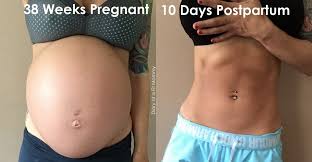
Loose skin after pregnancy is a common and natural consequence of your body stretching to accommodate your growing baby. While your skin is incredibly elastic, the extent of stretching and individual factors like age and genetics play a role in how much it returns to its pre-pregnancy state. Focusing on overall health, nutrition, and patience is key.
Understanding Your Skin Post-Pregnancy
Your skin is your body’s largest organ. It’s amazing how much it can stretch. During pregnancy, your belly grows a lot.
Your skin has to expand to make room. This stretching pulls the skin fibers. Collagen and elastin are proteins that give skin its strength and spring.
Pregnancy stresses these proteins.
After the baby arrives, your body starts to shrink back. But skin doesn’t always snap back instantly. Think of a balloon.
When you blow it up a lot, it stays a bit stretched. Skin is similar. It has elasticity, but there’s a limit.
My Own Post-Pregnancy Skin Story
I remember the first time I really looked at my stomach after my second child was born. It wasn’t just a bit soft. There was this definite layer of skin that seemed to hang there.
It felt strange. I’d expected to feel a bit looser, sure. But this felt.
different. I remember touching it, feeling the texture. It wasn’t firm like before.
It felt a bit like soft dough. I felt a pang of disappointment. I’d worked hard during pregnancy, eating well and trying to stay active.
I thought maybe my skin would just snap back. That wasn’t quite the reality. It was a quiet moment of realizing my body had gone through a huge transformation.
And the changes weren’t just on the inside.
What Makes Skin Stretch?
Key Factors:
- Genetics: Some people naturally have more elastic skin.
- Age: Younger skin tends to bounce back better.
- Amount of Stretching: Carrying multiples or a very large baby causes more stretch.
- Hydration: Keeping skin moisturized helps its health.
- Nutrition: Good nutrients support skin repair.
Why Does Loose Skin Happen?
Pregnancy is a time of rapid growth. Your skin has to keep up. It stretches and expands.
Hormones during pregnancy also play a role. They help your skin become more flexible. This is good while you’re pregnant.
It allows your belly to grow. But these same hormones can affect skin’s firmness.
Think about collagen. This is a protein that gives skin its structure. Elastin is another protein.
It helps skin return to its shape. Pregnancy can break down these proteins. It can also reduce the amount your body makes for a while.
So, your skin loses some of its ability to snap back.
The amount of weight gained also matters. Rapid weight gain stretches the skin more. Slow and steady weight gain is better for skin.
But even with careful gain, significant stretching happens.
The Feel and Look of Post-Pregnancy Skin
Many women describe their post-pregnancy skin as softer. It might feel thinner. Sometimes, it can look crepey.
This is especially true around the belly. It might not feel as smooth. You might notice stretch marks too.
These are tears in the skin’s middle layer. They are very common.
The skin might not lie flat. It could fold over. This is what people often mean by “loose skin.” It’s the excess skin that remains after the baby is born and you lose the pregnancy weight.
It’s like a deflated balloon that doesn’t fully shrink back.
It’s important to remember that this is a sign of what your body has accomplished. It carried and nurtured a life. That’s a powerful thing.
The skin is just showing the journey.
Skin Elasticity: The Basics
How it works:
- Collagen: Provides strength.
- Elastin: Provides flexibility.
- Fibroblasts: Cells that make collagen and elastin.
- Stretching: Puts stress on these fibers.
- Recovery: Skin can repair, but it takes time.
Factors Affecting Skin Recovery
Not everyone’s skin bounces back the same way. Many things influence this. Your age is a big one.
Younger skin has more natural collagen and elastin. It tends to be more resilient. As we get older, our skin naturally produces less of these proteins.
So, it has a harder time snapping back.
Genetics play a huge part. Some families just have skin that is naturally more elastic. Others might have skin that tends to be looser.
Your skin type matters too. If your skin was very firm before pregnancy, it might have a better chance of returning to its shape.
The amount of weight you gained during pregnancy is also a factor. Gaining a lot of weight means more stretching. The speed of weight gain matters too.
Rapid weight gain is harder on the skin. Gradual gain is usually better.
Your overall health is important. Good nutrition helps your skin repair itself. Staying hydrated also keeps your skin healthy.
Smoking can damage skin’s elasticity. So, if you smoke, quitting can help your skin recover better.
Contrast: Myth vs. Reality
Myth: My skin will magically snap back after birth.
Reality: Skin elasticity varies. It takes time and may not return fully to pre-pregnancy state for everyone.
Myth: Only overweight women get loose skin.
Reality: Anyone who gains weight during pregnancy can experience loose skin, regardless of their pre-pregnancy weight.
Myth: There’s nothing I can do about loose skin.
Reality: While genetics play a role, healthy habits can support skin health and improve its appearance.
My Experience with Post-Pregnancy Tummy
After my second baby, my tummy skin felt like a deflated balloon. It was soft and didn’t have that firm feel I was used to. I remember standing in front of the mirror, poking gently at my belly.
It felt like a separate layer. It wasn’t painful, but it was definitely noticeable. I’d look down, and my jeans would sometimes feel a bit loose around the waist, but the skin itself just hung there.
It was a strange sensation. Sometimes, after a big meal, it would feel even softer. I felt a bit self-conscious, especially when I thought about wearing a swimsuit again.
It made me realize that my body had done something incredible, and the skin was just the physical reminder of that journey. It was a quiet adjustment period, learning to accept this new shape.
How Long Does It Take for Skin to Recover?
This is the question everyone wants a clear answer to. The truth is, there’s no single timeline. Your body needs time to heal.
For some women, skin starts to shrink back noticeably within a few months. For others, it can take a year or even longer. Some skin may never fully return to its original tightness.
Think of it this way: your skin was stretched for about nine months. It needs time to adjust back. Factors like how much weight you gained and how much your skin stretched play a role in how long this takes.
Your age and genetics are also key.
Be patient with yourself. Your body has gone through a major event. Give it grace.
Focus on healing and getting stronger. The appearance of your skin will change over time. It might not be a dramatic snap back, but a gradual improvement.
Skin Recovery Timeline: What to Expect
Phase 1 (0-3 months postpartum): Your body is healing. Hormones are rebalancing. Skin may feel very soft and loose.
Some initial tightening might occur.
Phase 2 (3-12 months postpartum): Continued gradual improvement. Your body continues to shed excess fluid. Muscle tone can improve with exercise.
Phase 3 (12+ months postpartum): Skin may reach its new “normal.” For some, significant improvement occurs. For others, some looseness may remain.
What About Exercise?
Exercise is great for many reasons after pregnancy. It helps build muscle strength. It can help you lose any remaining baby weight.
This can indirectly help tighten the skin. When you build muscle underneath the skin, it can help fill out the space. This can make the skin look smoother and tighter.
Focus on core strengthening exercises. These are important after pregnancy. They help your abdominal muscles recover.
This can make your belly area look firmer. Cardio exercises help with overall fat loss. This reduces the amount of skin that is stretched over fat.
Remember to get clearance from your doctor before starting any new exercise program. They can advise you on what is safe and when to start.
Quick Scan: Exercise for Skin Tightening
| Exercise Type | How it Helps | Considerations |
| Strength Training | Builds muscle beneath skin, creating a firmer look. | Focus on core. Get doctor’s OK. |
| Cardio | Helps shed excess body fat. | Listen to your body. Start slow. |
| Pilates/Yoga | Improves core strength and posture. | Good for flexibility and overall tone. |
Nutrition and Hydration
What you eat and drink really matters for your skin. Your skin needs good building blocks to repair itself. Proteins are essential.
They help create collagen. Foods like lean meats, fish, beans, and eggs are good sources. Healthy fats are also important.
They help keep skin moisturized from the inside. Avocados, nuts, and olive oil are great choices.
Vitamins and minerals are also key. Vitamin C is vital for collagen production. You find it in citrus fruits, berries, and bell peppers.
Vitamin E is an antioxidant that protects skin cells. It’s in nuts, seeds, and spinach. Zinc is important for skin healing.
It’s in oysters, pumpkin seeds, and lentils.
Drinking enough water is crucial. Hydrated skin is more elastic. It looks plumper.
Aim for at least 8 glasses of water a day. More if you’re breastfeeding. Dehydration can make skin look dull and less firm.
Focusing on a balanced diet will support your skin’s natural recovery. It’s not about quick fixes. It’s about nourishing your body from the inside out.
Nutrition Tips for Skin Health
Eat More:
- Lean proteins (chicken, fish, beans)
- Healthy fats (avocado, nuts, olive oil)
- Fruits and vegetables (rich in vitamins C & E)
- Whole grains
Drink More:
- Water!
- Herbal teas
Topical Treatments and Products
You’ll see many creams and lotions advertised for tightening skin. Some of these can help. They can moisturize the skin.
This makes it look and feel better. Ingredients like hyaluronic acid can help plump up the skin. Retinoids can boost collagen production.
However, it’s important to have realistic expectations.
No cream can magically erase loose skin. They can improve the appearance of the skin. They can make it look smoother.
They can help with dryness and texture. But they won’t remove excess skin that has lost its elasticity.
If you’re considering treatments, talk to a dermatologist. They can recommend safe and effective options. Always be wary of products that promise miracles.
They are often too good to be true.
Ingredient Spotlight for Skin Appearance
Hyaluronic Acid: Attracts and holds moisture, plumping skin.
Vitamin C: Essential for collagen synthesis, can brighten skin.
Retinoids (use with caution, especially if breastfeeding): Can boost collagen and cell turnover.
Peptides: May support collagen production.
When to See a Doctor
For most women, loose skin after pregnancy is a cosmetic concern. It’s normal and not usually a sign of a health problem. However, there are times when you should consult a doctor.
If you notice sudden changes in your skin. Or if you have redness, pain, or itching associated with the loose skin. This could indicate an infection or other issue.
If you’re concerned about the appearance of your skin. Or if it’s impacting your mental health. A doctor or dermatologist can discuss options with you.
They can also rule out any underlying medical conditions.
For example, if you have a large diastasis recti (abdominal muscle separation). This can contribute to the appearance of a pouch. A doctor can assess this.
They can guide you on treatment options.
Signs to Discuss with Your Doctor
Sudden skin changes: Rash, extreme redness, unusual texture.
Pain or discomfort: If the skin area is sore.
Signs of infection: Swelling, warmth, pus.
Concerns about muscle separation: If you suspect diastasis recti.
Real-World Scenarios
Imagine Sarah. She had twins. Her belly stretched significantly.
After birth, she had a lot of loose skin. She felt discouraged. She focused on gentle core exercises and eating well.
It took about 18 months for her skin to settle. It didn’t disappear, but it looked much smoother.
Then there’s Maria. She had one baby. She gained a moderate amount of weight.
Her skin bounced back fairly well. Within a year, most of the looseness was gone. She credits her good hydration habits and youth.
These stories show the range of experiences. What happens in one person’s body isn’t always the same for another. It’s a journey unique to each woman.
What This Means for You
Loose skin after pregnancy is a normal part of the postpartum experience for many. It’s a sign of your body’s amazing ability to grow life. For most women, it improves over time.
It might not disappear completely, but it often becomes less noticeable.
Focus on what you can control: healthy eating, hydration, and gentle exercise. Be patient with your body. It’s working hard to recover.
Your mental well-being is also important. If you’re struggling with body image, talk to someone. Support groups or a therapist can help.
Quick Tips for Supporting Skin Health
Here are some simple things you can do:
- Stay Hydrated: Drink plenty of water daily.
- Eat Nutritious Foods: Focus on protein, healthy fats, and vitamins.
- Gentle Exercise: Build strength and improve muscle tone.
- Moisturize: Keep skin hydrated with good quality lotions.
- Be Patient: Skin recovery takes time.
- Practice Self-Compassion: Your body did an incredible thing.
Frequently Asked Questions About Loose Skin After Pregnancy
Will my loose skin go away on its own?
For many women, loose skin improves significantly over time, often within the first year postpartum. However, it may not disappear completely for everyone. Factors like genetics, age, and the amount of stretching during pregnancy play a role.
Patience and healthy habits can support the process.
Can I exercise to get rid of loose skin?
Exercise, especially strength training, can help. Building muscle beneath the skin can make it appear tighter and smoother. While exercise won’t eliminate loose skin directly, it improves body composition and tone, which can enhance the overall appearance of your skin.
Are there any creams that actually work for loose skin?
Creams can help moisturize and improve the texture of your skin, making it appear smoother. Ingredients like hyaluronic acid and peptides may offer some temporary plumping effects. However, no cream can significantly reverse significant loose skin caused by a loss of elasticity.
Manage expectations with topical treatments.
How much weight gain during pregnancy affects loose skin?
Greater weight gain and rapid stretching during pregnancy tend to lead to more noticeable loose skin. Your skin’s ability to stretch and recoil is put to the test. While it’s impossible to avoid stretching during pregnancy, a healthy, gradual weight gain pattern is generally better for skin elasticity.
Is loose skin after pregnancy a sign of a health problem?
Generally, loose skin after pregnancy is a normal cosmetic outcome and not a sign of a health problem. However, if you experience sudden changes, pain, redness, or signs of infection, consult your doctor. Also, discuss concerns about abdominal muscle separation (diastasis recti) with a healthcare provider.
What’s the role of collagen in post-pregnancy skin?
Collagen is a protein that gives skin its structure and firmness. Pregnancy can stress collagen fibers and reduce collagen production temporarily. Supporting collagen levels through nutrition (especially Vitamin C) and potentially topical treatments can help improve skin’s appearance and resilience over time.
Final Thoughts on Your Body After Birth
Your body just performed a miracle. It grew and nurtured a human life. That is profound.
Loose skin is just one visible change. It’s a testament to that journey. Be kind to yourself.
Celebrate what your body has done. Focus on health, nourishment, and patience. Your skin will continue to change.
Trust the process, and embrace your beautiful, powerful body.
