
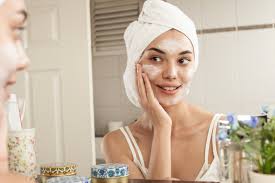
A gentle postpartum skincare routine focuses on hydration, mild cleansing, and sun protection. It prioritizes simple, effective steps using safe ingredients for breastfeeding mothers and sensitive skin. The goal is comfort and skin health amidst new motherhood.
Understanding Your Postpartum Skin
After you have your baby, your skin can change. Hormones are shifting. This affects your skin a lot. You might notice new breakouts. Your skin could feel very dry. Or it might become oily. Some women see dark spots. This is called melasma. It can happen because of hormones. Your skin might also feel more sensitive. Things that never bothered you before might now cause redness.
It’s not just hormones. You might not be sleeping much. Stress levels are high. You’re not eating as well. You might not be drinking enough water. All these things impact your skin. Your body is healing from birth. It’s busy recovering. This means your skin needs extra care. But it needs simple care. You don’t have time for long routines.
Many new moms feel their skin looks dull. Or tired. This is normal. Your body is working hard. Your skin shows this. The key is to be kind to yourself. And to your skin. We need to find ways to make your skin feel good. Without a lot of effort. Gentle steps are best. They help your skin heal. They help it look its best too. This is about feeling refreshed. Even when you’re very tired.
My Own Postpartum Skin Story
I remember it clearly. My daughter was only a few weeks old. I looked in the mirror one morning. My face felt tight and dry. I had a few red patches on my cheeks. And I saw a new pimple right on my chin. I felt a wave of annoyance. I used to have pretty clear skin. Now I looked like a teenager again. But I was a tired mom. I didn’t have time for a complicated face wash. Or a serum. Or a mask.
I felt a bit lost. What could I even use? I was breastfeeding. I worried about putting strange creams on my face. I just wanted something simple. Something that would make my skin feel better. And maybe look a little less tired. I remember sitting on the edge of the tub. My baby was napping. I just splashed my face with water. It felt good. But not for long. My skin felt dry again quickly. It was a small thing. But it made me feel like I was failing. Even at skincare.
That’s when I realized. I needed a new approach. A postpartum skincare routine had to be different. It needed to be quick. It needed to be gentle. And it had to work with what my body was going through. I started searching for simple tips. I talked to other moms. I learned that less is often more. Especially in these first few months. It’s a time for healing. For resting. For bonding. Not for complicated beauty regimes. My goal became clear: simple, effective, and safe.
Quick Guide: The New Mom’s Skin Needs
Hydration
Skin loses moisture easily. Especially with less sleep.
Gentle Cleansing
Avoid harsh soaps. They can dry out or irritate skin.
Sun Protection
Skin can be more sensitive. Protect it from sun damage.
Soothing Ingredients
Look for ingredients that calm skin, like aloe.
Building Your Simple Postpartum Skincare Routine
Let’s break down the steps. A good postpartum skincare routine doesn’t need many products. Think about the basics. Cleansing, moisturizing, and protecting. That’s your core. We’ll keep it very simple. For morning and night.
Morning Steps: Quick Refresh
When you wake up, your skin needs a gentle start. You don’t need to scrub. Or use anything harsh. The goal is to freshen up. And prepare your skin for the day.
- Gentle Cleanse: Wash your face with lukewarm water. Or use a very mild cleanser. Look for ones that say “gentle” or “for sensitive skin.” Avoid anything with strong scents. Or alcohol. These can dry your skin out.
- Hydrate: Pat your skin dry gently. Use a soft towel. Then, apply a light moisturizer. A lotion or a cream works well. Choose something hydrating. But not too heavy. You want it to absorb fast. This helps your skin feel soft. It also creates a barrier.
- Sunscreen: This is very important. Even if you’re not going outside much. You can still be exposed to sun through windows. Use a broad-spectrum sunscreen. SPF 30 or higher is good. There are many gentle formulas available. Some are mineral-based. They are often better for sensitive skin.
These three steps take maybe two minutes. That’s it for the morning. It’s a quick way to care for your skin. And protect it.
Evening Steps: Calm and Repair
At night, your skin needs to relax. And repair itself. This is a good time to clean off the day. And give your skin some nourishment. You might have a little more time now. But we’ll keep it easy.
- Cleanse: Use your gentle cleanser again. This removes any dirt. Or oil. Or makeup from the day. If you wear makeup, you might need a first step. A gentle makeup remover. Or micellar water can work. Then follow with your regular cleanser.
- Treat (Optional): If you have specific concerns, this is where you might add something. For dry patches, a thicker cream might help. For breakouts, a spot treatment could be used. But keep it very simple. Only use one treatment at a time. And make sure it’s safe for breastfeeding moms.
- Moisturize: Apply your moisturizer again. You can use the same one as the morning. Or you might use a slightly richer one at night. This helps your skin stay hydrated. While you sleep. It supports the skin’s natural repair process.
This routine is also very fast. It helps your skin feel good. And it gives you a moment of self-care. Even in the chaos.
Postpartum Skincare: Key Ingredients to Look For
Hyaluronic Acid
Great for adding moisture. Makes skin feel plump.
Glycerin
Another good humectant. It draws water to the skin.
Ceramides
Help repair the skin barrier. Keeps moisture in.
Niacinamide
Can help calm redness. And improve skin tone.
Aloe Vera
Soothing and calming. Good for irritated skin.
Choosing the Right Products (Safely!)
When you’re a new mom, product choices can feel tricky. Especially if you’re breastfeeding. You want to be sure what you use is safe. For you and your baby. The good news is, most basic skincare ingredients are fine.
What to Avoid:
- Retinoids: Like retinol, tretinoin. These are generally not recommended. They can be absorbed by the skin. And might pass into breast milk. It’s best to avoid them.
- Salicylic Acid (High Concentrations): While low levels are often fine, high doses should be avoided. Stick to gentle exfoliation if needed.
- Harsh Chemicals: Fragrances, parabens, sulfates can irritate sensitive postpartum skin. Look for fragrance-free and hypoallergenic options.
- Strong Actives: Things like high-potency Vitamin C or strong acids might be too much. Start with gentle, supportive ingredients.
What to Look For:
- Gentle Cleansers: Cream or lotion cleansers are good. Foaming ones can be drying.
- Hydrating Moisturizers: Look for ingredients like hyaluronic acid, glycerin, or ceramides. These help lock in moisture.
- Mineral Sunscreens: Sunscreens with zinc oxide and titanium dioxide are often best. They sit on top of the skin. They are less likely to cause irritation.
- Soothing Ingredients: Aloe vera, centella asiatica (cica), chamomile can calm red or irritated skin.
Always read labels. If you’re unsure, ask your doctor or a dermatologist. They can give you specific advice. Based on your health. And your baby’s needs. Most mainstream brands have safe options. You don’t need fancy or expensive products. Simple and effective is the goal.
Addressing Common Postpartum Skin Issues
Your skin might be dealing with a few specific things. Here’s how to manage them gently.
Acne Breakouts
Hormone shifts can cause acne. It might appear on your face, chest, or back. Instead of harsh spot treatments, try this:
- Gentle Cleansing: Wash the affected areas twice a day. Use your mild cleanser.
- Avoid Touching: Don’t pick at pimples. This can make them worse. And cause scarring.
- Spot Treatment (Carefully): A small amount of salicylic acid (0.5-1%) or benzoyl peroxide (2.5%) might be okay. Use it only on the spot. And sparingly. Always check with your doctor if you’re concerned.
- Niacinamide: This ingredient can help reduce inflammation. And oiliness. Look for it in serums or moisturizers.
Dryness and Flakiness
Lack of sleep and dehydration can make skin feel parched.
- Humidifier: Using a humidifier in your bedroom can add moisture to the air. This helps your skin.
- Rich Moisturizer: Use a thicker cream at night. Look for ceramides and hyaluronic acid.
- Gentle Exfoliation (Rarely): If you have flakes, a very gentle chemical exfoliant (like lactic acid) or a soft washcloth can help. Do this maybe once a week.
- Hydration from Within: Drink plenty of water.
Melasma (Dark Spots)
Hormonal changes can cause dark patches. Often on the face.
- Sunscreen is Key: This is the most important step. Melasma gets worse with sun exposure. Wear SPF 30+ daily. Reapply if you’re outside.
- Gentle Brighteners: Some ingredients like Vitamin C (stable forms) or azelaic acid might help. Use them cautiously. And always check safety.
- Patience: Melasma often fades on its own. After your hormones stabilize. It can take months.
Remember, your skin is going through a lot. Be patient with it. And with yourself. These issues usually improve over time.
Quick Fixes for a Tired Complexion
Hydrate Instantly: Use a hydrating face mist. Spritz it on when you feel dry. It feels refreshing.
Cool Compress: Soak a washcloth in cool water. Place it on your face for a minute. It can reduce puffiness.
Lip Balm: Dry lips can make you look tired. Keep a good lip balm handy.
Concealer: A little concealer under your eyes can make a big difference. Choose a shade that matches your skin.
Lifestyle Habits for Better Skin
Skincare products are helpful. But what you do day-to-day matters too. Especially as a new mom. These habits can boost your skin’s health.
Hydration, Hydration, Hydration
This cannot be stressed enough. Drink water all day long. Keep a water bottle near you. When you’re feeding your baby, have water. When you’re changing diapers, have water. Your skin needs water from the inside. It helps it stay plump. And reduces dryness.
Nutrition Matters
Your body needs good food. To heal and recover. And to make milk. Try to eat balanced meals. Include fruits and vegetables. Healthy fats like avocado and nuts are good. Lean protein helps too. You don’t need a perfect diet. Just aim for nourishing foods. When you eat well, your skin shows it.
Sleep (When You Can Get It!)
This is the hardest one for new moms. Sleep is crucial for skin repair. When you sleep, your body works to fix things. Your skin cells regenerate. Try to sleep when the baby sleeps. Even short naps help. Don’t stress if it’s not perfect. Just do your best. Every bit of rest counts.
Stress Management
Stress can wreak havoc on your skin. It can cause breakouts. And make skin look dull. Find small ways to de-stress. Listen to music. Take a few deep breaths. Ask your partner or a friend for help. So you can have a short break. Even five minutes can help.
Myth vs. Reality: Postpartum Skin
| Myth | Reality |
|---|---|
| You need a 10-step skincare routine. | A simple 3-step routine is enough. Focus on gentle care. |
| You must stop breastfeeding if you have acne. | Most acne treatments are safe. Always check with your doctor. |
| Skin changes are permanent. | Most postpartum skin changes improve over time. Be patient. |
When to Seek Professional Help
Most postpartum skin issues are normal. And will get better. But sometimes, you need to see a doctor. Or a dermatologist. Don’t hesitate to reach out.
See a doctor if:
- Severe Acne: If your acne is very painful. Or leaving deep scars. A doctor can prescribe stronger, safe treatments.
- Persistent Rashes: If you have a rash that doesn’t go away. Or seems to be spreading. It could be something else. Like eczema or an infection.
- Concerns About Products: If you’re unsure if a product is safe. Especially if you are breastfeeding. Always ask a healthcare professional.
- Significant Changes: If you notice sudden, unusual changes. Like moles that change shape or color. Or skin that feels very different.
- Postpartum Hair Loss: While some hair loss is normal, excessive or sudden loss might need investigation.
A dermatologist can offer solutions. For persistent issues. They understand pregnancy and postpartum changes. They can guide you to safe and effective treatments. Your health is important. Your skin health is part of that.
Frequently Asked Questions About Postpartum Skincare
Here are some common questions new moms have.
Is it safe to use my regular skincare products after birth?
It depends on the products. Most basic cleansers and moisturizers are fine. However, it’s best to avoid retinoids and high concentrations of salicylic acid while breastfeeding. If you’re unsure, check the ingredient list and consult your doctor or pharmacist.
Can I treat postpartum acne with the same products I used before pregnancy?
Not always. Some acne treatments that were safe before pregnancy may not be recommended during breastfeeding. Focus on gentle cleansers and spot treatments with low concentrations of ingredients like salicylic acid or benzoyl peroxide. Always get doctor approval for stronger treatments.
My skin is super oily postpartum, what should I do?
Hormonal shifts can cause increased oiliness. Use a gentle, oil-free cleanser. A lightweight, non-comedogenic moisturizer is important to prevent your skin from overcompensating with more oil. Niacinamide can also help regulate oil production.
How long will these postpartum skin changes last?
Most postpartum skin changes are temporary. They often start to improve as your hormones regulate, which can take a few months. Some changes, like melasma, might take longer to fade or may require specific treatments. Patience is key.
Should I change my entire skincare routine after giving birth?
It’s wise to review your routine. Focus on simplicity and gentle ingredients. Avoid harsh chemicals and active ingredients like retinoids. Prioritize hydration and sun protection. A basic routine of cleanse, moisturize, and SPF is usually sufficient and safe.
What is melasma and why does it happen after pregnancy?
Melasma is a common skin condition causing brown or gray-brown patches. It’s often triggered by hormonal changes during pregnancy. Increased estrogen and progesterone can stimulate melanin production. Sun exposure makes it worse. It typically fades after pregnancy, but sometimes requires treatment.
Conclusion: Be Kind to Yourself
Navigating postpartum life is a huge task. Your body is amazing. It has done something incredible. Your skin might show the changes. But it’s temporary. Focus on a simple, gentle postpartum skincare routine. Cleanse, moisturize, and protect. That’s your foundation.
Remember to drink water. Eat well. And rest when you can. Be kind to yourself. Your skin will thank you. And you deserve this moment of care. You’re doing great, mama.
