
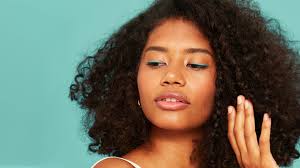
It’s a time of incredible change, and for many, that includes how your hair behaves. You might notice your hair feeling thicker, looking fuller, or even growing faster than usual. On the flip side, you might worry about hair thinning or excessive shedding. These shifts are super common and part of the amazing journey of pregnancy and postpartum.
During pregnancy, hormonal shifts often lead to thicker hair by prolonging the growth phase. Postpartum, a drop in hormones can cause a temporary shedding phase, known as telogen effluvium, affecting many new mothers. This is usually temporary.
The Science Behind Pregnancy Hair: Hormones Are Key
Pregnancy is a hormonal roller coaster. Your body is making a whole lot of new hormones. These hormones play a big role in how your hair grows and stays put. The most important ones are estrogen and progesterone.
Estrogen levels rise a lot when you’re pregnant. This hormone helps to keep your hair in its growing phase for longer. Normally, hair goes through cycles. It grows, then it rests, and then it falls out. Estrogen extends that growing stage for many of your hair follicles. This means fewer hairs enter the resting or shedding phase. The result is often thicker-looking hair.
Progesterone also goes up during pregnancy. This hormone helps relax muscles. It also plays a part in keeping hairs from falling out too soon. So, with both estrogen and progesterone working overtime, your hair might seem more lush and full. You may notice less hair on your brush or in the shower drain. This is a welcome change for many!
Understanding Hair Growth Cycles
To really get why pregnancy changes your hair, it helps to know about hair growth cycles. Hair doesn’t grow all at once. It grows in phases.
There are three main phases:
Anagen: This is the active growing phase. It can last for several years. Most of your hair (about 85-90%) is in this phase at any time.
Catagen: This is a short transitional phase. It lasts about two to three weeks. The hair follicle shrinks.
Telogen: This is the resting phase. It lasts for about two to three months. The hair stops growing and eventually falls out. About 10-15% of your hair is in this phase.
During pregnancy, the high estrogen levels encourage more hairs to stay in the anagen phase. This means your hair spends less time in the telogen (shedding) phase. It’s like your hair plants are on a long-term growth spurt. This is why many pregnant people report their hair gets thicker and grows more quickly. The hair that would have fallen out simply stays put for a while longer.
My Own Experience: A Full Head of Hair
I remember when I was pregnant with my first child. It was around the second trimester when I really noticed a difference. My usual fine, slightly thin hair suddenly felt much fuller. It had this healthy shine I hadn’t seen before. My ponytail, which was usually modest, felt so much thicker. I remember looking in the mirror and being genuinely surprised.
I used to lose quite a bit of hair just washing it or brushing it. But during pregnancy, that just stopped. It was like a magic wand had been waved over my scalp. I was so happy to have this thick mane of hair. I’d always wished for better hair, and pregnancy seemed to deliver it. It felt like a little perk in an otherwise tiring journey. I even started taking fewer supplements because I thought my diet was enough. The constant hair in my brush was gone. It was a noticeable, positive change.
Postpartum Hair Shedding: The Shock of Telogen Effluvium
After the baby arrives, things change again. And for many, this means hair loss. This is often called postpartum hair loss or postpartum shedding. It’s a very real thing, and it can be quite shocking if you’re not prepared.
The same hormones that made your hair thicker during pregnancy are now dropping rapidly. Estrogen levels go back to their normal levels. When estrogen drops, it signals all those hairs that stayed put during pregnancy to move into the telogen phase all at once. So, instead of a gradual shedding, you can experience a significant amount of hair loss over a few months.
This is known as telogen effluvium. It’s a temporary condition. It happens when a physical or emotional stressor (like childbirth) causes a large number of hair follicles to shift into the resting phase. Then, a few months later, all those hairs shed.
It can feel dramatic. You might see clumps of hair in your shower drain or on your brush. It can be upsetting, especially after enjoying thicker hair for months. But it’s important to remember that this is a normal biological process. Your body is just returning to its pre-pregnancy hair cycle.
How Much Shedding Is Normal?
It’s normal to lose about 50 to 100 hairs a day. During postpartum shedding, this number can jump significantly. Some women report losing hundreds of hairs a day. This can last for several months, typically starting around two to six months after giving birth. The shedding usually starts to slow down after about six to twelve months postpartum.
It’s not usually a sign of a permanent problem. Your hair will likely grow back. It might take time, and the texture or thickness might be slightly different for a while. But for most women, their hair returns to its usual state.
What About Hair Texture Changes?
Sometimes, it’s not just about thickness or shedding. Some women notice changes in their hair’s texture. Your hair might feel drier, more brittle, or even curlier than before.
These texture changes are also often linked to hormonal shifts. Hormones can affect the scalp’s oil production. They can also influence the structure of the hair follicle. This can lead to differences in how your hair feels and looks.
For example, if your scalp produces less oil, your hair might feel drier. If the hair shaft’s structure changes slightly, it might become curlier or straighter. These changes can be surprising. They might mean you need to adjust your hair care routine.
Factors That Can Influence Pregnancy Hair Changes
While hormones are the main driver, other things can play a role in how your hair changes during and after pregnancy.
Key Influencing Factors
- Genetics: Your natural hair type and tendency for hair loss or growth play a role.
- Nutrition: A balanced diet is crucial for healthy hair. Deficiencies can impact hair.
- Stress: While pregnancy itself is a stressor, managing overall stress is important.
- Underlying Health Conditions: Thyroid issues or other medical conditions can affect hair.
Genetics are a big one. If your family has a history of significant hair loss, you might be more prone to it postpartum. Nutrition is also super important. If you’re not getting enough vitamins and minerals, your hair health can suffer. This is true at any time, but especially during pregnancy and postpartum when your body is under a lot of demand.
Stress can also impact hair. Childbirth is a major physical and emotional stressor. This can contribute to the telogen effluvium. Managing stress can be hard with a new baby, but anything you can do to relax can help.
When to Talk to Your Doctor
Most pregnancy and postpartum hair changes are normal. But there are times when you should seek medical advice.
Signs to Discuss with a Doctor
- Sudden, significant hair loss that doesn’t seem to be related to postpartum shedding.
- Patchy hair loss (bald spots).
- Hair loss accompanied by other symptoms like fatigue, weight changes, or skin issues.
- Scalp irritation, redness, or itching.
If you notice bald spots, or if the hair loss seems very sudden and severe, it’s a good idea to check in with your doctor. It’s also important if you have other symptoms like feeling unusually tired or noticing changes in your weight. These could indicate an underlying issue, like a thyroid problem, which needs medical attention.
Your doctor can perform tests to rule out any other causes of hair loss. They can offer guidance and treatment if needed. Remember, your health is paramount.
Caring for Your Hair During Pregnancy
During pregnancy, focus on gentle care. Your hair might be feeling great, but it’s still a good time to be kind to it.
Avoid harsh treatments. This includes perms, dyes, and chemical straightening treatments. Many of these products contain chemicals that are best avoided when pregnant. Always check with your doctor about specific products if you’re concerned.
Use mild shampoos and conditioners. Look for products that are sulfate-free and designed for sensitive scalps. Sulfate can strip natural oils, making hair dry. Gentle brushing is also key. Use a wide-tooth comb or a brush with soft bristles. Start from the ends and work your way up to avoid pulling.
Limit heat styling. Blow dryers, straighteners, and curling irons can damage hair. If you do use them, try to use the lowest heat setting possible. Air drying is best when you can.
Gentle Hair Care Tips for Pregnancy
- Choose gentle shampoos and conditioners.
- Brush hair carefully to avoid breakage.
- Limit heat styling tools.
- Avoid harsh chemical treatments.
- Eat a balanced diet rich in nutrients.
Eating well is also a huge part of hair health. Make sure you’re getting enough protein, iron, vitamins (especially B vitamins and vitamin D), and minerals like zinc. These are building blocks for strong, healthy hair.
Caring for Your Hair Postpartum
Postpartum is when you need to be extra gentle. The shedding can be emotionally draining. It’s important to manage expectations and care for your hair kindly.
Continue with gentle hair care. Avoid tight hairstyles that can pull on the hair follicles, like tight ponytails or braids. These can cause traction alopecia, a type of hair loss from pulling.
When washing your hair, be gentle. Use a mild shampoo. Consider a thickening shampoo if your hair feels thin. Look for conditioners that add moisture and strength.
Postpartum Hair Support
- Gentle washing and conditioning.
- Avoid tight hairstyles.
- Use volumizing products carefully.
- Consider supplements if recommended by a doctor.
- Be patient with the regrowth process.
If you’re concerned about hair loss, talk to your doctor. They might suggest a nutritional supplement. Biotin, iron, or a multivitamin specifically for postpartum mothers could be recommended. However, always get medical advice before starting any new supplements.
Many women find that wearing their hair down or in a loose braid feels more comfortable during shedding. Using dry shampoo can help add volume between washes. Some people find silk pillowcases helpful to reduce friction overnight.
Understanding Natural Hair Growth Cycles
It’s easy to get caught up in the dramatic changes. But remembering that hair growth is cyclical helps put things in perspective. Even without pregnancy, your hair naturally goes through growth, rest, and shedding phases.
The key difference during pregnancy is that the growth phase is extended for more hairs. Postpartum, the resting phase catches up, and many hairs shed. This is a reset. It allows for new, healthy hair to grow.
Think of it like a garden. Sometimes plants have a period of intense growth, and then they rest before new shoots appear. Your hair is similar. The postpartum shedding is like the garden preparing for new blooms.
What About Hair Loss in Men?
It’s worth noting that hair loss can affect anyone. While pregnancy-related hair changes are specific to women, general hair thinning or loss can be a concern for men too. This often involves different causes, like genetics (male pattern baldness) or stress. The hormonal shifts during pregnancy are unique to females. So, the specific type of hair changes seen in pregnant women are not experienced by men.
Can Diet Really Make a Difference?
Absolutely. Your diet is one of the most powerful tools you have for healthy hair. During pregnancy and postpartum, your body needs extra nutrients. Hair is made of protein, so ensure you get enough. Foods like eggs, lean meats, fish, beans, and nuts are great sources.
Iron is also crucial. Iron deficiency anemia is a common cause of hair loss, especially in women. Foods rich in iron include red meat, spinach, lentils, and fortified cereals. Vitamin C helps your body absorb iron, so pairing iron-rich foods with citrus fruits is a good idea.
B vitamins, especially biotin, are vital for hair health. You can find biotin in eggs, nuts, and sweet potatoes. Omega-3 fatty acids, found in fatty fish like salmon and flaxseeds, can also support scalp health.
Nutrients for Healthy Hair
- Protein: Essential for hair structure. (Meat, fish, beans, eggs)
- Iron: Prevents hair loss linked to anemia. (Spinach, red meat, lentils)
- Biotin (B7): Supports hair growth and strength. (Eggs, nuts, sweet potatoes)
- Vitamin C: Aids iron absorption and collagen production. (Citrus fruits, berries)
- Omega-3 Fatty Acids: Support scalp health. (Salmon, flaxseeds, walnuts)
If you’re struggling to get enough nutrients from your diet, your doctor might recommend a prenatal vitamin that you can continue using postpartum. These often contain a good balance of hair-supporting vitamins and minerals.
Myths vs. Reality About Pregnancy Hair
There are many old wives’ tales and myths about hair during pregnancy. Let’s clear a few up.
Pregnancy Hair: Myth vs. Reality
| Myth | Reality |
|---|---|
| Cutting your hair during pregnancy causes hair loss. | Hair growth and loss are internal processes, not affected by haircuts. |
| If you have a girl, you’ll lose more hair. | Hair changes are due to hormones, not the baby’s sex. |
| Postpartum hair loss is permanent. | It’s usually temporary and hair regrows. |
| You can stop postpartum hair loss completely. | While you can support hair health, some shedding is normal. |
One common myth is that cutting your hair during pregnancy will cause it to grow back less or affect hair loss. This isn’t true. Hair growth and shedding are internal processes driven by hormones and genetics. A haircut is external.
Another myth is about the baby’s sex. Some believe that if you’re carrying a girl, you’ll experience more hair loss. This is not based on science. The hormonal changes are similar regardless of the baby’s sex.
The most persistent myth is probably that postpartum hair loss is permanent. While it can feel alarming, it’s usually a temporary phase. Your hair follicles will eventually return to their normal cycle.
The Emotional Impact of Hair Changes
It’s not just a physical change; it can be emotional too. For many, hair is tied to self-image and confidence. Experiencing significant hair changes, especially loss, can be upsetting.
If you’re feeling down about your hair, know that you’re not alone. Many new mothers feel this way. It’s okay to feel frustrated or sad. Talking about it with your partner, friends, or a support group can help.
Remember to be kind to yourself. Your body has gone through an amazing transformation. Hair changes are a part of that. Focus on self-care, even in small ways. Taking a few extra minutes for your hair routine, or just accepting that it’s okay to have a bad hair day, can make a difference.
Long-Term Outlook for Your Hair
For most women, hair returns to its normal state within a year or so postpartum. The thickness you enjoyed during pregnancy might not return immediately, or ever, but your hair should stabilize.
Some women do experience longer-term changes. This could be a slight difference in texture or thickness. If you had significant thinning or hair loss before pregnancy, it might become more noticeable again.
Looking Ahead
- Patience is key: Hair regrowth takes time.
- Consistent gentle care: Helps maintain hair health.
- Balanced nutrition: Supports new hair growth.
- Medical advice: For persistent or unusual hair loss.
The key is to continue with healthy habits. Eat well, manage stress as much as you can, and be gentle with your hair. If you have concerns, don’t hesitate to speak with a healthcare provider. They can help you understand what’s normal and what might need further investigation.
When Does Postpartum Shedding Actually Stop?
This is a question many new moms ask. As mentioned, postpartum shedding typically begins about two to six months after giving birth. It can last for several months. Most women find that the shedding starts to slow down significantly by the time their baby is around one year old.
The hairs that are shed are replaced by new hairs. You might notice a “halo” of new, short hairs around your hairline as regrowth begins. This is a good sign! It means your hair cycle is returning to normal.
Some factors might influence how long it lasts. Stress levels, nutritional status, and genetics can all play a part. But generally, give it about a year to see your hair return to its baseline.
Can Pregnancy Hair Loss Affect Other Body Hair?
Yes, it can. While the most noticeable changes are usually with the hair on your head, pregnancy hormones can also affect other body hair.
During pregnancy, you might find that hair on your arms and legs grows less noticeably. Some women report that facial hair growth also slows down. This is again due to the prolonged anagen phase affecting hair follicles all over the body.
After childbirth, just like scalp hair, other body hair might also go through a shedding phase. However, this is often less dramatic and less noticeable than the hair on your head.
The Role of Sleep and Stress Management
We’ve touched on stress. It’s so important, especially postpartum. Lack of sleep is a major stressor for your body. When you’re sleep-deprived, your body produces more cortisol, the stress hormone. High cortisol levels can negatively impact hair growth.
While getting a full night’s sleep with a newborn is challenging, try to maximize your rest. Nap when the baby naps. Ask for help from your partner or family members so you can get some uninterrupted sleep. Even short periods of rest can make a difference.
Finding ways to manage stress is also vital. This could be through gentle exercise, mindfulness, spending time in nature, or talking to a therapist. Whatever works for you, make it a priority. Your mental and physical health, including your hair health, will benefit.
Can I Use Hair Growth Products During Pregnancy or Breastfeeding?
This is a common question and one that requires caution. Many over-the-counter hair growth products contain ingredients that haven’t been extensively studied for use during pregnancy or breastfeeding.
For example, minoxidil (Rogaine) is a common hair growth treatment. Its safety during pregnancy and breastfeeding is generally not recommended without strict medical supervision. Some topical treatments might be considered safer, but it’s crucial to discuss any product with your doctor or midwife.
Natural remedies might seem safer, but even these can have effects. Always err on the side of caution. Discuss any hair care product or treatment you plan to use with your healthcare provider. They can offer guidance based on your specific situation and the latest safety information.
Common Questions About Pregnancy Hair Growth Changes
What is the main reason for hair growth changes during pregnancy?
The main reason for hair growth changes during pregnancy is the significant increase in estrogen and progesterone hormones.
These hormones prolong the active growth phase (anagen) of hair follicles and reduce the resting (telogen) and shedding phases. This leads to thicker, fuller hair for many.
When does postpartum hair loss typically start?
Postpartum hair loss, also known as telogen effluvium, usually begins about two to six months after childbirth.
This occurs as hormone levels return to normal, causing hairs that were held onto during pregnancy to shed.
Is postpartum hair loss permanent?
No, postpartum hair loss is typically temporary.
For most women, hair regrowth begins within a few months, and hair density usually returns to its pre-pregnancy state within six to twelve months.
Can I color my hair while pregnant?
Most experts agree that coloring hair during pregnancy is generally safe, especially after the first trimester.
However, the chemicals in hair dye are absorbed in very small amounts. It’s often recommended to use natural or ammonia-free dyes and to avoid scalp contact. Always consult your doctor.
What are the best nutrients for hair growth during pregnancy?
Key nutrients for hair growth during pregnancy include protein, iron, biotin, and vitamins like A, C, D, and E.
A balanced diet or a prenatal vitamin can help ensure you get adequate amounts.
How can I manage hair thinning after pregnancy?
To manage postpartum hair thinning, focus on gentle hair care, a balanced diet, stress reduction, and adequate sleep.
Avoid tight hairstyles, use mild products, and consult your doctor if the loss is severe or persistent.
Conclusion
Navigating hair changes during pregnancy and postpartum can be a rollercoaster. From the surprising thickness of pregnancy to the often-unsettling shedding afterward, it’s a unique experience for many. Understanding that these shifts are driven by normal hormonal fluctuations can bring peace of mind. Focus on gentle care, a nutritious diet, and patience. Your body is doing amazing work, and your hair will likely bounce back with time.
