
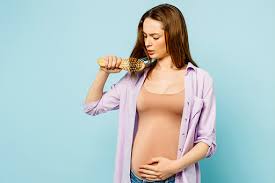
Understanding Pregnancy Hair Changes
Pregnancy is a time of immense hormonal flux. Think of your hormones like a busy conductor leading an orchestra. They are orchestrating many changes.
These shifts affect nearly every part of your body. Your hair is no exception. During pregnancy, your body produces higher levels of estrogen.
This is a key hormone. It plays a big role in hair growth.
Normally, hair goes through cycles. There’s a growth phase, a resting phase, and a shedding phase. The high estrogen levels during pregnancy can extend the growth phase.
This means less hair sheds naturally. Many women actually notice their hair looks thicker and fuller. This is because fewer hairs enter the shedding phase than usual.
It’s like the hair growth orchestra is playing a longer, more robust tune.
However, this isn’t the whole story. Sometimes, despite the increased estrogen, hair loss can still occur. This can be due to several factors.
These include stress, nutrition, and even genetics. Pregnancy itself can be stressful. Your body is adapting.
Your emotions are shifting. These can all play a part. Also, what you eat is vital for healthy hair.
If your diet isn’t giving you enough of the right nutrients, your hair can suffer.
The type of hair loss matters too. Most pregnancy hair loss is called telogen effluvium. This is a temporary condition.
It happens when a significant stressor pushes a large number of hair follicles into the resting phase. Then, those hairs shed a few months later. During pregnancy, this shedding might be more noticeable due to other hormonal influences.
It’s important to distinguish between normal shedding and significant thinning. A few extra hairs on your brush might be nothing to worry about. Large bald patches or very sudden, excessive shedding could signal something else.
Knowing the difference helps you manage your concerns. We will explore common reasons for this and when you might want to chat with your doctor.
My Own Hair Story During My First Pregnancy
I remember my first pregnancy so clearly. It was a whirlwind of new sensations and new worries. One day, I was brushing my hair, and it felt… different.
It seemed thinner. I ran my fingers through it, and a surprising amount came out. My heart sank a little.
I’d heard pregnancy was supposed to make your hair glorious!
I started to panic slightly. Was this normal? Was I going to lose all my hair?
I pictured myself with sparse locks. That image was not what I had imagined for my maternity photos. I felt a knot of anxiety tighten in my stomach.
It was an unexpected worry during a time that already felt full of unknowns.
I spent way too much time looking in mirrors, parting my hair to check for scalp visibility. I felt a strange mix of annoyance and fear. Why wasn’t my hair living up to the “pregnancy glow” ideal?
It was a small thing, maybe, but it felt significant to me then. It was one more thing to worry about on top of everything else.
That experience taught me a lot. It taught me that pregnancy doesn’t always follow the script we see in magazines. It also taught me to seek out clear, simple information.
I learned that what felt like a big problem to me was often just a normal part of the journey for many women.
Pregnancy Hormones and Your Hair
Estrogen’s Role: High estrogen levels keep more hair in the growing phase. This can make hair seem fuller.
Progesterone’s Impact: This hormone also rises. It can affect hair thickness and growth cycles.
Shifting Cycles: Pregnancy hormones can alter the normal hair growth cycle. This can lead to less shedding during pregnancy.
Postpartum Changes: After birth, hormone levels drop. This can cause more hair to enter the shedding phase. This is often called postpartum hair loss.
Why Does Hair Loss Happen During Pregnancy?
You might be asking, “If hormones are making my hair grow, why am I losing it?” It’s a fair question. The answer isn’t always straightforward. While many women see thicker hair, others experience thinning.
Here are some common reasons why this can happen:
Nutritional Deficiencies
Your body is growing a baby. This requires a lot of nutrients. Your body prioritizes the baby’s needs.
This means sometimes your own stores can get low. Iron, protein, and certain vitamins are crucial for hair health. If your diet lacks these, your hair might show it.
Iron is a big one. Many women become anemic during pregnancy. Iron carries oxygen to your hair follicles.
Without enough iron, follicles can’t produce strong, healthy hair. This can lead to increased shedding.
Protein is the building block of hair. Hair is made mostly of a protein called keratin. If you aren’t getting enough protein, your body can’t make enough keratin.
This weakens hair strands.
Vitamins like biotin and Vitamin D are also important. Deficiencies in these can affect hair growth cycles. Your doctor can check your nutrient levels.
They can suggest supplements if needed.
Stress and Anxiety
Pregnancy can be a joyful time, but it’s also a period of significant adjustment. Stress is a common factor. The physical and emotional changes can be overwhelming.
High stress levels can trigger telogen effluvium. This is a type of hair loss.
When you’re stressed, your body releases certain hormones. These can disrupt the normal hair growth cycle. They can push more hairs into the resting or shedding phase.
This shedding might not happen immediately. It can occur a few months after a stressful event. This means stress experienced early in pregnancy might show up as hair loss later on.
Finding ways to manage stress is vital. This could include gentle exercise, meditation, or talking to a therapist. Even small steps can make a difference.
Underlying Medical Conditions
Sometimes, hair loss during pregnancy can point to an underlying medical issue. Thyroid problems are a common culprit. Both an overactive and underactive thyroid can affect hair.
Pregnancy can sometimes trigger or worsen thyroid conditions.
Other conditions like Polycystic Ovary Syndrome (PCOS) can also cause hair thinning. If you had hair loss before pregnancy, it might continue or change. It’s always wise to discuss any new or worsening symptoms with your doctor.
Medications and Supplements
Some medications can cause hair loss as a side effect. If you are taking any prescriptions or over-the-counter drugs, talk to your doctor. They can advise if the medication might be contributing to your hair loss.
Also, be careful with certain supplements. While some are beneficial, others might not be safe during pregnancy. Always check with your healthcare provider before starting any new supplements.
Genetics
Sometimes, hair loss is simply in your family history. If your mother or grandmother experienced hair thinning during or after pregnancy, you might too. Genetics play a significant role in how our hair behaves.
While you can’t change your genes, understanding this can help you manage expectations. Knowing it’s a family trait can make it less alarming.
Quick Scan: Factors Affecting Pregnancy Hair
Hormones: The main driver, usually causing thicker hair but sometimes changes.
Nutrition: Iron, protein, and vitamins are key. Lack can cause shedding.
Stress: Physical and emotional stress can disrupt hair cycles.
Health: Thyroid issues or other conditions can be linked.
Genes: Family history can influence hair loss patterns.
What’s Normal vs. What Needs Attention
It’s easy to get caught up in worry when you notice extra hair. But not all shedding is a cause for alarm. Let’s break down what’s generally considered normal during pregnancy.
Normal Pregnancy Shedding
Most women have a daily hair shedding rate. It’s typically between 50 to 100 hairs per day. During pregnancy, this rate often decreases.
If you notice a few more hairs in your brush, but your overall hair volume seems good, it’s likely normal.
Some women experience a slight increase in shedding towards the end of pregnancy. This can happen as hormones start to prepare for childbirth. It’s usually temporary.
The hair often bounces back after delivery.
Another common experience is what’s called “pregnancy mask” for the scalp. This refers to changes in skin pigmentation. It can sometimes coincide with subtle hair texture changes.
This is generally harmless.
You might also notice changes in hair texture. It could become drier, oilier, or curlier. These are often just temporary shifts due to hormonal influences.
They don’t usually indicate a problem.
When to See Your Doctor
While most hair changes are benign, there are times when you should seek medical advice. If you notice any of the following, it’s a good idea to talk to your obstetrician or a dermatologist:
- Sudden, excessive hair loss: If you’re losing significantly more hair than usual, to the point where it’s alarming.
- Patchy bald spots: If you see distinct areas where hair is falling out.
- Scalp irritation or pain: If your scalp becomes itchy, red, or sore along with hair loss.
- Changes in hair thickness over time: If your hair seems to be thinning gradually throughout your pregnancy.
- Concerns about nutrition: If you suspect you aren’t getting enough key nutrients.
- History of hair loss: If you have a pre-existing condition that affects hair.
Your doctor can help determine the cause. They can rule out underlying medical issues. They can also offer guidance on managing your hair health during pregnancy.
Normal vs. Concerning Signs
Normal: A few more hairs on your brush; hair feels thicker; slight texture changes.
Concerning: Sudden large amounts of hair loss; bald patches; itchy or sore scalp; thinning that gets worse.
Real-World Scenarios: Hair Loss in Different Trimesters
Hair changes during pregnancy aren’t static. They can evolve through the trimesters. What you experience in the first few months might differ from what happens later.
First Trimester
In the first trimester, your body is just starting its big hormonal shift. Many women don’t notice significant hair changes yet. Some might start experiencing mild shedding due to early stress or nutritional needs.
Others might already feel their hair getting thicker due to rising estrogen.
This is also a time when nausea and fatigue can impact your diet. If you’re struggling to eat well, nutrient deficiencies can begin. This could indirectly affect hair health.
Second Trimester
The second trimester is often considered the “golden” period of pregnancy. Energy levels can increase. Nausea might subside.
For many women, this is when the hair-thickening effect becomes most noticeable. Estrogen levels are high. They are keeping more hair in the active growth phase.
However, for some, the stress of pregnancy or early nutritional gaps might start to show. This could lead to noticeable shedding. It’s a mixed bag, and individual experiences vary greatly.
Third Trimester
As you approach your due date, your body is preparing for labor and delivery. Hormonal levels begin to shift again. Some women start to experience increased shedding in the third trimester.
This can be a sign that your body is preparing for the postpartum shedding phase.
It’s also a time when physical discomfort and anticipation can increase stress. This added stress can contribute to telogen effluvium. So, while many still have thick hair, some might see thinning.
Managing Hair Health During Pregnancy
While you can’t always prevent hair changes, there are steps you can take to support healthy hair growth and manage concerns.
Focus on Nutrition
This is arguably the most important factor. A balanced diet rich in essential nutrients is key.
- Iron: Include lean red meats, poultry, fish, beans, and fortified cereals.
- Protein: Eat eggs, lean meats, fish, dairy, legumes, and nuts.
- Vitamins: Fruits and vegetables provide vital vitamins like C (aids iron absorption) and E.
- Healthy Fats: Avocados, nuts, and seeds provide omega-3 fatty acids.
If your doctor recommends a prenatal vitamin, be sure to take it consistently. It helps fill nutritional gaps.
Nutrient Powerhouses for Hair
Iron-Rich Foods: Spinach, lentils, beef, fortified cereals.
Protein Sources: Chicken, fish, eggs, Greek yogurt, tofu.
Vitamin C: Oranges, strawberries, bell peppers.
Biotin-Rich Foods: Eggs, nuts, sweet potatoes.
Gentle Hair Care Practices
Treat your hair with care. Avoid harsh treatments that can exacerbate thinning.
- Washing: Use a gentle shampoo and conditioner. Avoid very hot water.
- Drying: Pat your hair dry instead of rubbing it vigorously. Limit the use of heat styling tools like blow dryers, curling irons, and straighteners. If you must use heat, use a heat protectant spray.
- Brushing: Use a wide-tooth comb or a brush with soft bristles. Start detangling from the ends and work your way up. Avoid brushing wet hair, which is more prone to breakage.
- Styling: Avoid tight hairstyles like ponytails, braids, or buns that pull on the hair roots. Opt for looser styles.
- Chemical Treatments: Delay or avoid perms, relaxers, and harsh dyes during pregnancy.
Stress Management Techniques
Finding ways to relax can positively impact your overall health, including your hair.
- Mindfulness and Meditation: Even a few minutes a day can help calm your mind.
- Gentle Exercise: Walking, swimming, or prenatal yoga can reduce stress.
- Adequate Sleep: Aim for 7-9 hours of quality sleep per night.
- Support System: Talk to your partner, friends, or family about your feelings.
- Professional Help: If stress is overwhelming, consider speaking with a therapist or counselor.
Hair Care Do’s and Don’ts
DO: Use gentle products. Pat hair dry. Brush from ends up.
Wear loose styles.
DON’T: Use hot water. Rub hair dry. Use excessive heat.
Pull hair tightly. Get harsh chemical treatments.
Postpartum Hair Loss: What to Expect
The hair changes you experience during pregnancy are often just the prelude to what happens after delivery. Many women experience significant hair loss in the months following childbirth. This is often more noticeable than any shedding during pregnancy.
This is due to the sharp drop in estrogen levels after birth. These hormones drop back to pre-pregnancy levels. This causes a large number of hair follicles to enter the shedding phase all at once.
This phenomenon is called postpartum telogen effluvium.
It typically starts about 2 to 5 months after delivery. You might find clumps of hair in your brush, shower, or on your pillow. It can be quite alarming, but remember, it’s a normal part of the postpartum recovery process for most women.
Just like during pregnancy, good nutrition and stress management can help. The hair usually starts to grow back within 6 to 12 months. Some women find their hair texture or thickness has permanently changed.
Others return to their pre-pregnancy hair state.
It’s a temporary phase. While it can feel unsettling, try to be patient with your body. Focus on self-care and know that your hair will likely recover.
Frequently Asked Questions About Pregnancy Hair Loss
Is it normal to lose hair during pregnancy?
Yes, it can be normal for some women to experience increased hair shedding during pregnancy. While many women notice thicker hair due to hormonal changes, others may experience thinning. This can be due to nutritional factors, stress, or underlying conditions.
Usually, it is temporary.
What causes hair loss during pregnancy?
Hair loss can be caused by a variety of factors. These include nutritional deficiencies (like low iron), stress and anxiety, hormonal shifts, underlying medical conditions (such as thyroid problems), and genetics. Your body is undergoing significant changes, and these can all impact your hair.
Will my hair grow back after pregnancy?
For most women, hair loss experienced during or after pregnancy is temporary. After childbirth, a significant drop in hormone levels can lead to more noticeable shedding (postpartum hair loss). This phase typically resolves within 6 to 12 months, and hair usually grows back.
When should I worry about hair loss during pregnancy?
You should consult your doctor if you experience sudden and excessive hair loss, notice patchy bald spots, have scalp irritation or pain along with hair loss, or if your hair thinning seems to be progressively worsening throughout your pregnancy. These could signal a condition needing medical attention.
Can my diet cause hair loss during pregnancy?
Yes, dietary deficiencies can significantly contribute to hair loss. Low levels of iron, protein, and certain vitamins are crucial for healthy hair growth. If your diet lacks these essential nutrients, your hair follicles may not get what they need, leading to increased shedding.
What are the best ways to manage hair thinning during pregnancy?
Focus on a balanced, nutrient-rich diet, especially ensuring adequate iron and protein intake. Practice gentle hair care to avoid breakage. Manage stress through relaxation techniques like meditation or light exercise.
Always take your prenatal vitamins. If you have concerns, speak with your doctor.
Conclusion: Embracing the Changes
Pregnancy is a journey filled with constant adaptation. Your hair is a part of that. While hair loss can be a concern, it’s often a normal response to your body’s incredible work.
Understanding the causes can help ease worry. Focusing on nutrition and gentle care supports your hair’s health.
Remember that postpartum hair loss is also very common. Be patient with yourself and your body. Most women find their hair returns to normal.
If you have persistent concerns, always reach out to your healthcare provider for personalized advice.
