
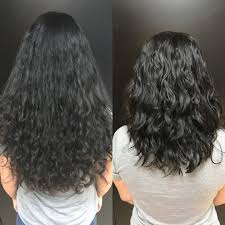
Pregnancy often brings changes to hair texture. This happens because of hormone shifts that affect the hair growth cycle and follicle structure. While some women find their hair becomes thicker and more lustrous, others experience dryness, frizz, or a loss of curl. These texture alterations are usually temporary and tend to resolve after childbirth.
What’s Happening to Your Hair Texture During Pregnancy?
Pregnancy is a time of big changes. Your body is working hard to grow a baby. Hormones play a huge role in this.
These hormones don’t just affect your mood or your body. They also affect your hair. The most common changes women notice are related to hair thickness and texture.
Many women report their hair feels fuller. This isn’t usually because they are growing new hair. Instead, it’s because fewer hairs are falling out.
During normal times, we shed some hair every day. This is part of the natural hair growth cycle. Pregnancy hormones, especially estrogen, extend the anagen phase.
This is the growth phase for hair. It means more hairs stay in the growing stage longer. So, fewer hairs enter the resting (telogen) and shedding phases.
This makes your hair look thicker and denser.
But what about texture? This is where things get more varied. Your hair’s natural texture is determined by its shape.
This shape is influenced by the hair follicle. Hormones can slightly alter the shape of these follicles. They can also affect the proteins that make up your hair shaft.
This can lead to changes in how your hair feels and behaves. What was once straight might become wavy. Or curly hair might loosen its curl pattern.
Some women find their hair becomes much drier. This can lead to frizz. Others experience the opposite.
Their oily hair might become less so. The exact way your hair texture changes is unique to you. It depends on your individual body’s response to the hormonal shifts.
It’s like your body is getting a special makeover from the inside out.
It’s important to remember that not everyone experiences these changes. Some women find their hair stays exactly the same throughout their pregnancy. Others see dramatic shifts.
Both are perfectly normal. The key is to pay attention to what your hair is telling you. And adjust your hair care routine as needed.
My Own Surprising Hair Saga During Pregnancy
I remember it vividly. I was about six months pregnant with my first child. My usually manageable, slightly wavy brown hair started acting up.
It felt different. It was suddenly much drier. And way frizzier than it had ever been.
My favorite styling cream, which always worked wonders, suddenly did nothing.
One morning, I looked in the mirror and just sighed. My hair looked like a frizz ball. It had lost its natural bend.
It was just… fluffy. I felt a pang of annoyance, and honestly, a little panic. My hair is one thing I usually feel good about.
Seeing it turn into something I didn’t recognize was frustrating. I’d always heard pregnancy made hair thicker, but no one told me it could turn into a wild bird’s nest! I felt less like a glowing mom-to-be and more like a scarecrow.
I remember standing there, running my hands through my hair, feeling the rougher texture. It was a small thing, but it added to the overall feeling of my body being out of my control. I just wanted one thing to stay the same.
Understanding the Hormonal Rollercoaster: Estrogen, Progesterone, and Your Hair
Hormones are the true conductors of the pregnancy symphony. And they are directing your hair to play a different tune. Let’s break down the main players and what they do.
Estrogen is the star of the show during pregnancy. Its levels skyrocket. Estrogen has a few key effects on hair.
First, it prolongs the anagen (growth) phase of your hair follicles. This is why many women experience thicker hair. Fewer hairs are in the resting or shedding phase.
Think of it as hitting the pause button on hair loss. Estrogen also can make your hair shaft smoother. This might lead to shinier, more manageable hair for some.
However, estrogen can also influence oil production. For some, this might make hair feel a bit more hydrated. For others, it can mean changes in how their scalp behaves.
This can indirectly affect hair texture.
Progesterone is another important hormone. It rises significantly during pregnancy. Progesterone has a more complex relationship with hair.
It can increase sebum production. Sebum is the natural oil your scalp makes. Too much sebum can sometimes weigh down hair.
It can make it feel greasier. Or it can contribute to dryness if the oils don’t reach the ends properly. This can make hair look and feel rougher.
It might also encourage the hair shaft to become more porous. This means it can absorb and lose moisture more easily. This is a common culprit behind increased frizz.
These hormones work together. They can create a unique mix of effects for each woman. The balance of these hormones, plus your own genetics, determines how your hair responds.
It’s not just one hormone doing one thing. It’s a dynamic interplay.
It’s like a complex recipe. You add estrogen, you add progesterone, and you get a different hair outcome each time. For some, the result is smooth, thick hair.
For others, it might be drier, coarser strands. Understanding this hormonal influence helps explain why these changes are so common and so varied.
Hormone Impact Snapshot
Estrogen:
- Lengthens hair growth phase.
- May make hair smoother and shinier.
- Can affect scalp oil balance.
Progesterone:
- Can increase oil production.
- May lead to drier or coarser hair.
- Can make hair more prone to frizz.
The Science Behind Texture Shift: Follicles and Hair Shafts
Your hair texture isn’t just about how it looks. It’s about the physical structure of each strand and how it grows from your scalp. Hormones during pregnancy can influence both of these.
Hair Follicle Shape: The shape of your hair follicle is a major factor in determining your hair’s natural texture. A round follicle typically produces straight hair. An oval or flattened follicle tends to produce wavy or curly hair.
Hormonal changes can subtly alter the shape and activity of these follicles. This can lead to a change in how the hair strand emerges. A follicle that was producing straight hair might start producing slightly wavier strands.
Or a curly follicle might change its output to be looser.
This change doesn’t happen overnight. It’s a gradual shift as the hormones influence the cells within the follicle. Think of it like clay being molded.
The hormones are the hands that gently reshape the output. This is why you might not see a drastic change instantly. It happens over weeks and months.
Hair Shaft Structure: Each hair strand is made up of three layers. The outer layer is the cuticle. It’s like tiny overlapping scales.
The middle layer is the cortex. This is where color and strength come from. The innermost part is the medulla (though not all hairs have this).
Hormones can affect the proteins in the cortex. They can also influence how the cuticle scales lie. If the cuticle is raised or uneven, hair will look duller and feel rougher.
This is a key reason for increased frizz. Progesterone, in particular, can disrupt the smooth alignment of these cuticle scales.
When the hair shaft is damaged or not smooth, it reflects light less. This makes it look less shiny. It also allows moisture to escape easily.
This leads to dryness. And dryness often means more tangles and breakage. So, the very structure of your hair is being influenced by these internal bodily changes.
It’s fascinating to realize how much goes on beneath the surface. Your hair is a living thing, connected to your whole system. What happens inside your body directly impacts the hair you see and feel.
Common Hair Texture Changes During Pregnancy
While every pregnancy is different, some texture changes are reported more often than others. Recognizing these can help you feel more prepared.
Thicker Hair (The Good Kind of Change)
This is the most commonly reported hair change. As we talked about, higher estrogen levels slow down hair shedding. This makes your hair appear much thicker and fuller.
It’s like having more hair on your head because less is falling out. Many women love this stage. Their hair feels healthier and more voluminous.
Drier Hair and Increased Frizz
This is another very common complaint. Hormonal shifts, especially those affecting progesterone, can alter the scalp’s natural oil production. This can lead to hair that feels stripped of moisture.
The hair shaft itself can become rougher. The cuticle layers may lift. This allows moisture to escape, making hair dry.
It also lets humidity in, which causes frizz. This can be particularly noticeable in humid climates.
Looser Curls or Waves
Some women with naturally curly or wavy hair find their pattern loosens. Their curls might become looser. Waves might become straighter.
This is often due to changes in the hair follicle shape. The follicle might not be producing the same curve in the hair strand as before. It can be upsetting if you’ve always relied on your curl pattern.
Oily or Greasier Hair
While dryness is common, some women experience the opposite. Increased progesterone can sometimes lead to an overproduction of sebum. This can make hair feel greasier faster.
It might also weigh down finer hair. This can make it look less voluminous and feel less bouncy.
Changes in Hair Porosity
Porosity refers to how well your hair absorbs and retains moisture. Hormonal changes can affect this. Hair might become more porous, meaning it absorbs moisture quickly but loses it just as fast.
This leads to dryness. Or it might become less porous, making it harder for products to penetrate. This can make hair feel limp or resistant to styling.
It’s like your hair’s ability to drink and hold water changes. This is why your usual products might stop working. They aren’t designed for this new level of absorption or retention.
Quick Scan: Your Hair’s New Vibe
Normal & Expected:
- Hair feels thicker, fuller.
- Hair seems shinier.
Possible & Manageable:
- Hair feels drier, rougher.
- Increased frizz, flyaways.
- Curl pattern may loosen.
- Hair may feel greasier.
When Will These Hair Changes Start and End?
Timing is everything when it comes to pregnancy changes. Your hair’s transformation is no different. Typically, you’ll start noticing changes in your second trimester.
This is when hormone levels are really climbing.
Some women might see subtle shifts earlier. Others won’t notice much until their third trimester. It’s a gradual process.
Your hair doesn’t wake up one day and look completely different. It’s more likely a slow evolution over several months.
During Pregnancy: The peak of these texture changes usually occurs during the second and third trimesters. Your hair might continue to evolve throughout this period. What you experience in month six might be different from month eight.
After Pregnancy: The big shift often happens about three to six months after you give birth. This is when your hormone levels begin to return to their pre-pregnancy state. The extra estrogen that was keeping all those hairs from shedding starts to decrease.
This can lead to a period of increased hair shedding. It’s often called postpartum hair loss.
This shedding usually affects the hairs that were held on longer due to the pregnancy hormones. It might feel like a lot of hair is coming out. But for most women, this is temporary.
It’s your body rebalancing. Your hair texture will also gradually return to its normal state.
This return to normal can also take time. It might be a few months. Or for some, it can take up to a year for hair to feel truly back to its old self.
Be patient with your body. It’s been through a lot!
Navigating the Changes: Practical Hair Care Tips
Dealing with a new hair texture can be a challenge. But with a few adjustments, you can manage it. The goal is to be gentle and adapt your routine.
Gentle Cleansing and Conditioning
If your hair feels drier, avoid harsh shampoos. Look for sulfate-free formulas. Sulfates can strip natural oils.
This makes dry hair even drier. Use a moisturizing shampoo and conditioner. Focus conditioner on the ends of your hair.
Rinse with lukewarm water. Hot water can also dry out your hair.
Consider co-washing. This means using only conditioner to wash your hair. It’s great for very dry or curly hair.
It helps preserve natural oils. If you do use shampoo, try to wash your hair less often. Maybe every other day or even less.
This gives your scalp’s natural oils a chance to do their job.
Moisture is Key
For dry, frizzy hair, moisture is your best friend. Use leave-in conditioners. Look for ingredients like shea butter, argan oil, or glycerin.
These help seal in moisture. Hair masks are also a great addition. Use a deep conditioning mask once a week.
This can significantly improve dryness and softness.
Applying oils can also help. Natural oils like coconut oil, jojoba oil, or almond oil can nourish your hair. Apply a small amount to the ends.
Or use an oil treatment before washing.
Protect Your Hair While Styling
Avoid heat styling as much as possible. Blow dryers, curling irons, and straighteners can damage your hair. Especially when it’s already stressed from hormonal changes.
If you must use heat, always use a heat protectant spray. This creates a barrier to reduce damage.
When brushing or combing, be extra gentle. Use a wide-tooth comb. Start from the ends and work your way up.
This minimizes knots and breakage. For curly hair, use your fingers or a detangling brush designed for curls. Never brush dry curly hair, as it can cause frizz.
Consider Your Pillowcase
Switching to a silk or satin pillowcase can make a big difference. Cotton pillowcases can create friction. This leads to frizz and breakage.
Silk and satin allow your hair to glide. This helps maintain smoothness and reduces tangles.
Be Mindful of Products
Your old favorite products might not work anymore. This is because your hair’s needs have changed. You might need to experiment.
Look for products designed for your new hair texture. If your hair is now curlier, try curl-defining creams. If it’s drier, look for hydrating serums.
Read labels. Avoid products with alcohol, sulfates, and parabens if your hair is dry. Ingredients like natural oils, shea butter, and aloe vera are beneficial.
Styling Smart: Tips for New Textures
- Gentle Washing: Use sulfate-free shampoo. Co-wash if needed.
- Moisture Boost: Deep condition weekly. Use leave-in treatments.
- Heat Defense: Minimize heat styling. Always use a protectant.
- Detangling: Use a wide-tooth comb or finger comb. Start from ends.
- Silk/Satin: Sleep on a silk or satin pillowcase.
When to Seek Professional Advice
For most women, pregnancy hair changes are a normal part of the journey. However, there are times when it’s wise to talk to a doctor or a dermatologist.
Excessive Hair Loss: While some postpartum shedding is normal, sudden or extreme hair loss at any point during pregnancy could be a sign of something else. This could include nutritional deficiencies like iron or vitamin D. Or it could be related to thyroid issues.
If you are losing clumps of hair, see your doctor.
Scalp Issues: If you develop persistent itchy scalp, redness, or sores, it’s important to get it checked. Hormonal changes can sometimes trigger or worsen scalp conditions like dandruff or eczema. A doctor can recommend safe treatments for pregnant women.
Lack of Improvement: If your hair texture changes dramatically and doesn’t seem to be returning to normal even months after giving birth, discuss it with your doctor or a stylist. Sometimes, underlying issues need addressing.
Remember, your doctor is your best resource for any health concerns. They can offer personalized advice based on your specific situation. A good hairstylist can also offer professional product recommendations and styling tips for your new hair texture.
Real-World Scenarios: What Texture Changes Look Like
Let’s paint a picture of how these changes might appear in everyday life.
Scenario 1: The Curly Hair Surprise
Sarah had beautiful, bouncy curls her whole life. Around her seventh month of pregnancy, she noticed her curls felt looser. Her hair seemed less defined.
It started to look more wavy than curly. When she tried her usual curl cream, it didn’t give her the same hold. Her hair felt softer but less structured.
She started using a lighter, hydrating serum. She also focused on air-drying her hair to avoid heat damage. Her goal was to embrace the new wave pattern while keeping her hair healthy.
Scenario 2: The Dry, Brittle Hair Struggle
Maria’s hair was normally a bit oily. During pregnancy, it became incredibly dry and brittle. It felt rough to the touch.
She experienced a lot of frizz, especially on humid days. Her usual shampoo made her hair feel even tighter and more straw-like. She switched to a hydrating shampoo and conditioner.
She started using a weekly deep conditioning mask. She also incorporated an argan oil treatment before washing her hair. This helped restore some much-needed moisture and smoothness.
Scenario 3: The Fuller, Thicker Mane
Emily was thrilled to find her hair felt much thicker. Her fine, limp hair suddenly had more volume. Her ponytail looked significantly fuller.
She noticed less hair on her brush after styling. Her hair also seemed shinier. She found she could go longer between washes.
Her main adjustment was simply learning to manage the extra volume. She found using a volumizing mousse worked well for her now-thicker hair.
These scenarios show how varied the experiences can be. But in each case, understanding the underlying cause helps in finding the right solutions. It’s about adapting to your body’s new normal.
What This Means for Your Hair Care Routine
These texture changes mean your relationship with your hair might need to evolve. The products and techniques that worked before might not be as effective now.
Embrace the Change (For Now)
The most important thing is to be patient and kind to yourself. Your hair is changing because your body is undergoing a massive transformation. Try not to get too frustrated.
These changes are usually temporary. They are a sign that your body is doing incredible work.
Listen to Your Hair
Pay attention to how your hair feels. Does it feel dry? Frizzy?
Greasy? Does it seem to absorb products differently? Your hair will tell you what it needs.
If your usual products aren’t working, it’s time to reassess.
Experiment with Products
Don’t be afraid to try new things. You might need to switch to more hydrating products if your hair is dry. If it’s greasier, a clarifying shampoo might help, but use it sparingly.
For looser curls, you might need different styling gels or mousses.
Adjust Your Washing Schedule
If your hair is drier, try washing it less often. This allows your scalp’s natural oils to moisturize your strands. If it’s greasier, you might need to wash it more frequently, but use a gentler shampoo.
Simplify Your Routine
During pregnancy, less is often more. Over-styling or using too many products can sometimes do more harm than good. A simpler routine focused on gentle cleansing, conditioning, and protection is usually best.
When is it Normal vs. When to Worry?
It’s helpful to know the difference between typical pregnancy hair shifts and signs that something else might be going on.
Normal Pregnancy Hair Changes
- Increased Thickness: Most women experience this due to slower shedding. Your hair feels denser.
- Slight Texture Softening: Hair might feel a bit finer or smoother.
- Temporary Dryness or Frizz: This is common due to hormonal influences on oil production and hair shaft structure.
- Loosening of Curls: A common effect of follicle shape changes.
- Postpartum Shedding: A significant amount of hair loss starting a few months after birth is typical.
When to Seek Professional Advice
- Sudden, Severe Hair Loss: Losing large clumps of hair, not just increased shedding, needs a doctor’s attention.
- Scalp Problems: Persistent itching, flaking, redness, pain, or sores on the scalp.
- No Sign of Return to Normal: If hair texture remains drastically different for a prolonged period after postpartum shedding, consult a doctor or dermatologist.
- Concerns About Nutrition: If you suspect a vitamin or mineral deficiency might be contributing.
Remember, your body is going through immense changes. Most hair shifts are temporary and resolve on their own. But it’s always wise to trust your instincts and consult a healthcare provider if you have serious concerns.
Frequently Asked Questions About Pregnancy Hair Texture
Can pregnancy permanently change my hair texture?
For most women, pregnancy hair texture changes are temporary. They usually revert to your original texture within 6-12 months after giving birth. However, in rare cases, some slight permanent alteration might occur, but this is not the norm.
Why does my hair feel coarser during pregnancy?
Your hair might feel coarser due to hormonal changes affecting the hair shaft’s structure and the cuticle layer. Progesterone can sometimes make hair more porous or rough. This means it loses moisture easily and feels less smooth.
Is it normal for my pregnancy hair to be less oily?
Yes, it is normal for your hair to change its oiliness. While some women experience increased oiliness, others find their hair becomes less oily. This depends on how your hormones influence your scalp’s sebum production.
Can I use hair dye during pregnancy if my texture has changed?
Generally, it is considered safe to dye your hair during pregnancy. However, texture changes might affect how the dye takes. It’s advisable to do a strand test first.
Always use products with lower ammonia content and ensure good ventilation. Consult your doctor if you have any concerns.
What can I do about frizz caused by pregnancy hair texture changes?
To combat frizz, focus on moisture. Use hydrating shampoos and conditioners. Apply leave-in conditioners and hair oils.
Avoid heat styling and harsh brushing. Using a silk pillowcase and a microfiber towel can also help minimize frizz.
How long does postpartum hair loss last?
Postpartum hair loss, also known as telogen effluvium, typically begins about 3-6 months after childbirth. It can last for several months, often up to a year. Most women see their hair density return to normal gradually.
Concluding Thoughts on Your Hair’s Pregnancy Journey
Your hair’s transformation during pregnancy is a testament to your body’s incredible adaptability. These texture shifts, whether making your hair thicker, drier, or curlier, are usually temporary hormonal effects. By understanding the causes and adjusting your hair care, you can navigate these changes with confidence.
Be patient, be kind to your hair, and remember it’s all part of this amazing journey.
