
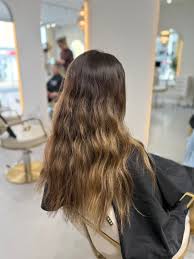
This guide aims to shed light on keratin treatments and pregnancy. We will break down what they are. We will talk about the ingredients.
We will look at what experts say. You will get clear answers. You will feel more confident in your choices.
Let’s figure this out together.
Currently, there is no definitive consensus or strong scientific evidence proving that keratin treatments are completely safe or unsafe during pregnancy. Many healthcare providers advise caution due to the chemicals involved, while others believe the risks are minimal if proper ventilation and product choices are made. Researching specific product ingredients and consulting with your doctor are crucial steps.
Understanding Keratin Treatments
Keratin treatments are popular hair smoothing processes. They aim to reduce frizz and make hair easier to manage. The main ingredient is keratin.
It’s a protein that is naturally in your hair. These treatments coat your hair shafts. This makes the hair smoother and shinier.
It can last for several weeks or months.
The process usually involves a stylist applying a liquid keratin mixture to your hair. Then, they use a hot flat iron. The heat seals the keratin into the hair.
This is what gives the smoothing effect. It’s a chemical process. This is why many wonder about its safety during pregnancy.
What’s Really in That Keratin Mixture?
This is where the main concern lies. While keratin is the star, there are other ingredients. Some treatments use formaldehyde.
It’s a chemical that helps the keratin bind to the hair. Formaldehyde is a known carcinogen. It can also cause skin and eye irritation.
Other treatments claim to be “formaldehyde-free.” But they might use other chemicals. These can release formaldehyde when heated. Examples include methylene glycol, formalin, and paraformaldehyde.
It’s important to read ingredient labels. Even “natural” ingredients can sometimes be irritating.
The fumes released during the heating process are a worry. When these chemicals are heated, they can become airborne. Breathing them in is the main risk.
This is why salon ventilation is so important. For pregnant women, minimizing exposure to harsh chemicals is key.
My Own Keratin Treatment Scare
I remember a time, maybe five years ago, when I decided to try a popular keratin treatment. My hair was a mess. It was frizzy from humidity, and I was always fighting it.
The salon promised amazing results. I walked in with unruly waves and walked out with sleek, shiny hair that felt like silk.
For the first week, it was pure magic. I could go out in damp weather. My hair stayed smooth.
It was easy to brush. I felt so confident. Then, I started noticing a strong chemical smell.
It lingered for days. I was in a well-ventilated salon, but the fumes were still potent. At the time, I wasn’t pregnant, but it made me think about the chemicals.
What was I putting on my hair? What was I breathing in?
This experience stayed with me. It planted a seed of doubt about treatments that rely heavily on strong chemicals. Later, when I was pregnant, this memory resurfaced.
I immediately thought, “No way am I doing that now.” The potential risks, even if small, seemed too big to ignore. It’s those lingering smells and the unknown long-term effects that truly make you pause.
Why the Pregnancy Concern?
During pregnancy, your body goes through many changes. Hormones are high. Your skin can become more sensitive.
Some women find their hair texture changes too. What your body absorbs can affect your baby. This is why many doctors advise caution with certain hair dyes, perms, and treatments.
The primary concern with keratin treatments is formaldehyde exposure. Formaldehyde is a gas. It is released when certain chemicals are heated.
Breathing in these fumes is the main pathway of exposure. There are worries that this exposure could be harmful to a developing fetus. While studies on this specific link are limited, caution is often the safest route.
Your body also processes chemicals differently when pregnant. What might have been fine before could be handled differently now. It’s about minimizing any potential risks.
This includes exposure to chemicals in the air or absorbed through the skin.
Formaldehyde: What We Know
The American Cancer Society states that formaldehyde is a known human carcinogen. This means it can cause cancer. It’s also a strong irritant.
It can affect your eyes, nose, and throat. For pregnant women, exposure to carcinogens is a serious concern.
The levels of formaldehyde in some keratin treatments are debated. Some brands use very low levels. Others have been found to contain much higher amounts.
Even “formaldehyde-free” products can release formaldehyde when heated. This is a critical point.
The International Agency for Research on Cancer (IARC) classifies formaldehyde as a Group 1 carcinogen. This is the same category as tobacco smoke. While a single salon treatment is unlikely to cause cancer, repeated or high exposure is a concern.
During pregnancy, it’s about zeroing in on safety.
Looking for Safe Alternatives
If you want smoother, frizz-free hair during pregnancy, don’t despair. There are safer options. Many products focus on hydration and nourishment.
They use gentler ingredients. These can help improve hair health and manageability without harsh chemicals.
Consider deep conditioning masks. These use natural oils and butters. They can make hair softer and reduce frizz.
Look for products with ingredients like shea butter, argan oil, coconut oil, and aloe vera. These are great for moisturizing.
Silk pillowcases are another simple tip. They reduce friction. This means less frizz and less breakage overnight.
It’s a small change that can make a difference.
DIY Hair Masks and Treatments
You can make your own hair masks at home. This gives you full control over the ingredients. For example, a simple avocado and honey mask can deeply moisturize.
Blend half an avocado with a tablespoon of honey. Apply to damp hair. Leave for 20 minutes.
Rinse well.
Another option is a banana and yogurt mask. Mash one ripe banana. Mix it with two tablespoons of plain yogurt.
Apply. Wait 15-20 minutes. Wash out.
These masks can add shine and reduce frizz naturally. They are safe and beneficial for your hair.
Regularly brushing your hair can also help. It distributes natural oils from your scalp down the hair shaft. This can make your hair look smoother and healthier.
It’s a simple habit that costs nothing.
What Experts and Doctors Say
Most doctors and dermatologists tend to err on the side of caution. They advise pregnant women to avoid treatments that use formaldehyde. This includes many keratin treatments.
They recommend discussing any hair treatments with your healthcare provider before undergoing them.
Some salon professionals are also more aware. They might offer ammonia-free or low-chemical options. They can explain the ingredients in detail.
They should also talk about ventilation. A well-ventilated salon is crucial for minimizing fume exposure.
The American College of Obstetricians and Gynecologists (ACOG) generally states that most hair dyes and treatments are safe. However, they still recommend avoiding them during the first trimester if possible. They also advise ensuring good ventilation.
Their advice leans towards minimizing exposure to chemicals whenever possible.
Researching Product Ingredients
If you are considering a keratin treatment, do your homework. Ask the salon for the exact product names. Research those products online.
Look for ingredient lists. Be wary of vague claims like “natural” or “organic” if the ingredient list still contains suspicious items.
Search for the specific chemicals mentioned earlier. Look for ingredient databases. These sites can tell you about the safety of various chemicals.
For instance, the Environmental Working Group (EWG) has a skin deep database that rates cosmetics and personal care products.
If a salon can’t or won’t provide an ingredient list, that’s a red flag. It’s better to be safe than sorry. Your health and your baby’s health are the top priorities.
Choosing to wait until after pregnancy is often the best and simplest solution.
Personalizing Your Hair Care During Pregnancy
Pregnancy is a unique time. Your body is doing amazing work. It’s a period for self-care, but also for mindful choices.
This applies to what you eat, what you use on your skin, and what you do with your hair.
Think about your hair goals. Do you need deep hydration? Do you want more shine?
Are you trying to control frizz? There are many ways to achieve these goals without risky chemicals. Hydrating shampoos and conditioners can make a big difference.
Leave-in conditioners are also very helpful.
Consider your hair’s condition before pregnancy. Was it already healthy? Was it damaged?
If your hair was already struggling, introducing harsh chemicals might not be the best idea. Focus on gentle, nourishing care. This approach benefits both you and your baby.
Pregnancy Hair Care: Quick Checklist
- Consult your doctor: Always the first step.
- Read ingredient lists: Look for formaldehyde and its releasers.
- Prioritize ventilation: If you must get a treatment, ensure excellent airflow.
- Consider “safer” alternatives: Focus on hydration and natural ingredients.
- Listen to your body: If something feels off, stop.
When Is It Okay to Revisit Keratin?
After your baby is born, you might want to revisit keratin treatments. Your body will start returning to its pre-pregnancy state. Hormonal levels will shift again.
Your skin sensitivity might change.
It’s still a good idea to talk to your doctor or stylist. Discuss your concerns. They can help you decide when it’s appropriate.
Some women choose to wait until they are finished breastfeeding. Others feel comfortable getting treatments done sooner.
If you choose to get a treatment post-pregnancy, remember the safety tips. Always go to a salon with good ventilation. Ask about the ingredients.
Choose brands that are known for safer formulations. It’s about making informed choices for your well-being.
Keratin Treatment Ingredients to Watch Out For
Chemical Name | What It Does | Why Be Cautious
Formaldehyde | Preservative; helps straighten | Known carcinogen; irritant
Methylene Glycol | Releases formaldehyde when heated | Similar risks to formaldehyde
Formalin | A solution of formaldehyde | Same concerns as formaldehyde
Paraformaldehyde | Solid form of formaldehyde | Releases formaldehyde when heated
Quaternium-15 | Preservative that releases formaldehyde | Same concerns as formaldehyde
Real-World Scenarios and What They Mean
Imagine you are 20 weeks pregnant. You have a big event coming up. Your hair is feeling particularly wild.
You consider a keratin treatment to look polished. This is a common situation.
In this scenario, the safest approach is to manage your expectations. Perhaps try a professional blow-dry with smoothing products. Or, opt for a deep conditioning treatment.
These can temporarily tame frizz. They offer a much lower risk profile.
Consider another situation. You are 30 weeks pregnant and used to getting keratin treatments regularly. You want to maintain your hair.
Your stylist offers a “new” formaldehyde-free keratin. Even then, it’s wise to be skeptical. Ask for proof of independent testing.
Confirm it doesn’t release formaldehyde when heated. If in doubt, it’s best to skip it.
The goal is to manage the desire for polished hair with the reality of pregnancy. It’s about finding a balance. Often, this means embracing a slightly less “perfect” look for a while.
The temporary nature of these treatments also means you can wait it out.
Navigating Salon Visits Safely
If you decide to visit a salon during pregnancy for any reason, do your research. Choose a salon known for its hygiene and excellent ventilation. Talk to the stylist beforehand.
Explain that you are pregnant. Ask about the products they use. Request an ingredient list.
If the salon doesn’t seem concerned or can’t provide information, leave. Your health is more important than a hairstyle.
Consider booking appointments during off-peak hours. This might mean better airflow or less crowded conditions. Some salons may even have private rooms.
These could offer a more controlled environment.
“Formaldehyde-Free” vs. “Keratin Treatment”
Myth: All “formaldehyde-free” keratin treatments are safe for pregnancy.
Reality: Many “formaldehyde-free” treatments still release formaldehyde when heated. They may use chemicals that break down into formaldehyde. Always verify ingredients and ask about formaldehyde-releasing agents.
When to Seek Professional Advice
You should always talk to your doctor about any health concerns during pregnancy. This includes decisions about hair treatments. Your doctor can provide personalized advice based on your health history.
A dermatologist can also be a good resource. They can offer insights into skin sensitivity and chemical absorption. They can explain the potential risks in more detail.
They might also suggest specific safe hair care products.
Don’t hesitate to ask questions. Good healthcare providers want you to be informed. They want you to feel comfortable with your decisions.
A quick call or appointment can save you a lot of worry.
Key Questions for Your Doctor
- Are keratin treatments safe during pregnancy?
- What are the risks associated with formaldehyde exposure?
- Are there specific ingredients I should avoid?
- What are the safest alternatives for managing my hair?
What This Means for You
The primary takeaway is that caution is recommended. While there isn’t a definitive “no,” the potential risks associated with formaldehyde and its releasers mean many experts advise against keratin treatments during pregnancy.
It’s normal to want to feel good about your appearance, especially during pregnancy. But it’s also a time to be extra mindful of what you expose yourself and your baby to. Consider this a chance to explore gentler, more natural hair care routines.
Focus on nourishing your hair from the inside out. Stay hydrated. Eat well.
Use gentle products. These practices will benefit your hair’s health long-term. They are also completely safe for your pregnancy journey.
Simple Tips for Healthier Hair Now
Let’s focus on what you can do. Many simple actions can improve your hair’s health and appearance safely.
Hydration is key: Drink plenty of water. This benefits your whole body, including your hair. Use hydrating shampoos and conditioners.
Look for ingredients like glycerin, hyaluronic acid, and natural oils.
Gentle washing: Avoid very hot water when washing your hair. Use lukewarm water instead. This helps keep moisture in your hair.
Don’t scrub your scalp too hard. Be gentle.
Natural oils: Argan oil, coconut oil, and jojoba oil are great for adding shine and moisture. Apply a small amount to the ends of your hair. You can also use them as pre-shampoo treatments.
Avoid heat styling: Try to limit the use of blow dryers, flat irons, and curling irons. When you do use them, apply a heat protectant spray. This is another way to minimize stress on your hair.
Pregnancy-Safe Hair Care Swaps
- Instead of Keratin: Deep conditioning masks, hydrating leave-in treatments.
- Instead of Harsh Dyes: Henna-based colors (with patch test), temporary color sprays, or wait until after pregnancy.
- Instead of Perms: Try styling products that create temporary waves or curls.
Frequently Asked Questions
Is it safe to get a keratin treatment while breastfeeding?
Similar to pregnancy, it’s best to err on the side of caution. Many experts recommend waiting until you are finished breastfeeding. This is because chemicals could potentially pass into breast milk.
Always consult your doctor for personalized advice.
What if I accidentally got a keratin treatment while pregnant?
If you had a keratin treatment and are concerned, try not to panic. Focus on ventilation. Wash your hair as recommended by the stylist.
Monitor yourself for any unusual symptoms. Most importantly, discuss your concerns with your healthcare provider. They can offer reassurance and guidance.
Are “brazilian blowouts” safe during pregnancy?
Brazilian blowouts are a type of keratin treatment. They often contain formaldehyde or formaldehyde-releasing chemicals. Therefore, they are generally not considered safe for pregnant women.
Always check the specific ingredients and consult your doctor.
Can I use hair spray or mousse during pregnancy?
Most hair sprays and mousses are considered safe for use during pregnancy. They are typically applied to the hair, not absorbed by the skin in large amounts. However, it’s still a good idea to use them in a well-ventilated area and choose products with fewer harsh chemicals if possible.
What are the main signs of formaldehyde exposure?
Signs of formaldehyde exposure can include watery eyes, burning eyes and throat, coughing, wheezing, nausea, and skin irritation. If you experience any of these symptoms in a salon, leave the area immediately and seek fresh air. Inform your doctor if symptoms persist.
How can I tell if a keratin treatment is truly formaldehyde-free?
Look for certifications from reputable organizations. However, the most reliable method is to ask for a full ingredient list and research each ingredient. Be wary of products that only claim to be “formaldehyde-free” without transparency about their chemical composition.
Final Thoughts on Keratin and Pregnancy
Deciding on hair treatments during pregnancy is a personal journey. While keratin treatments promise smooth, manageable hair, the presence of formaldehyde and related chemicals raises valid safety concerns. It’s wise to prioritize your baby’s health.
Explore safer, nourishing alternatives that enhance your hair’s natural beauty. Your pregnancy glow can shine through with gentle care.
