
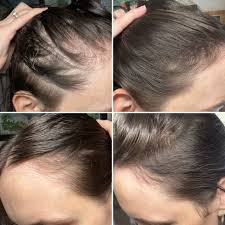
It’s a moment many new parents look forward to: the joy of holding your baby. But sometimes, a new worry pops up. You might notice more hair on your brush than usual.
This can feel alarming, especially when you’re already dealing with so much. It’s okay to feel concerned. Many new mothers experience this.
Understanding why it happens is the first step to feeling better.
Postpartum hair loss is a common phase many women go through after giving birth. It’s usually temporary and linked to hormonal shifts. While it can be unsettling, focusing on gentle care and understanding the timeline can help ease your mind as your body adjusts.
Understanding Postpartum Hair Loss
After you have your baby, your body goes through big changes. One of the most noticeable is a shift in hormones. During pregnancy, your body produces more estrogen.
This hormone helps keep your hair in the growing phase longer. So, you often end up with thicker, fuller hair. It’s like a natural boost for your locks.
But after the baby arrives, your estrogen levels drop suddenly. This drop signals many hairs to move from the growing phase to the resting and shedding phase. This is called telogen effluvium.
It’s a normal response. It’s not necessarily permanent hair loss. It’s more like a readjustment period for your hair cycle.
This shedding can feel like a lot at once.
Think of it like a tree losing leaves in the fall. It’s a natural part of the cycle. The tree doesn’t die; it prepares for new growth.
Your hair does something similar. It’s your body’s way of getting back to its pre-pregnancy state. This shedding usually starts a few months after delivery.
It can last for several months.
Why Does This Happen? The Hormonal Rollercoaster
The key player here is the hormone shift. Pregnancy is a time of high estrogen. This keeps more hair follicles in their growth phase (anagen).
Normally, about 80-90% of your hair is growing. The rest is resting or shedding. During pregnancy, this percentage stays high.
You lose less hair than usual.
Once the baby is born, estrogen levels fall fast. This sudden drop can shock your hair follicles. It pushes a larger-than-usual number of hairs into the resting phase (telogen).
Then, about two to five months later, these resting hairs start to fall out. This is when you notice increased shedding. It’s a normal biological process.
It’s important to remember this isn’t caused by breastfeeding, labor, or stress alone. While these can play a small role, the primary driver is the dramatic hormonal change. Your body is busy recovering and adjusting.
Hair growth is just one part of that complex process. It can take some time for your hormones to balance out. This balance helps your hair cycle return to normal.
Common Hair Shedding Timeline
Month 1-3 Postpartum: Often no noticeable shedding. Hair feels thick and healthy.
Month 3-6 Postpartum: Shedding may begin. You might notice more hair on your brush, in the shower, or on your pillow. This is when the telogen effluvium typically starts.
Month 6-12 Postpartum: Shedding usually slows down. New hair growth may start to appear. You might see small baby hairs along your hairline.
12+ Months Postpartum: Hair should be returning to its normal density. The cycle should normalize.
My Own Experience: The “Mom Ponytail” Dilemma
I remember sitting in the bathroom, brushing my hair. It was about four months after my daughter was born. I had always taken my hair for granted.
It was thick and rarely gave me any trouble. But suddenly, clumps were coming out. My ponytail felt noticeably thinner.
My shower drain was clogged with hair.
I started to panic a little. Was I going bald? The thought was incredibly upsetting.
I looked in the mirror and saw my hairline seemed to be receding. It felt like another thing I was losing control over. During pregnancy, my hair was my one crowning glory, and now it felt like it was abandoning me.
I called my doctor, just to be sure. She explained what was happening – the hormonal shift. She reassured me it was common.
She told me to be gentle with my hair. She also said it would grow back. It was hard to believe her at that moment.
I felt so self-conscious. I tried to embrace the changes, but it was a struggle. I started experimenting with different hairstyles to hide the thinning.
Finding ways to feel good was hard.
What Causes Postpartum Hair Loss? Beyond Hormones
While hormones are the main cause, other factors can sometimes play a role or make things feel worse. It’s rarely just one thing.
Nutritional Deficiencies: Pregnancy and childbirth can deplete your body’s resources. If you weren’t getting enough iron, vitamin D, or other key nutrients before or during pregnancy, this can impact hair health. Postpartum recovery also requires good nutrition.
Your body needs these building blocks for hair growth.
Stress: New parenthood is incredibly stressful. Lack of sleep, constant demands, and emotional adjustments can all contribute to stress. High stress levels can sometimes trigger or worsen hair shedding.
This is another form of telogen effluvium, but often linked to significant life events.
Thyroid Issues: Hormonal shifts can sometimes affect your thyroid. An underactive thyroid (hypothyroidism) can cause hair thinning. If you have other symptoms like fatigue, weight gain, or feeling cold, it’s worth getting your thyroid checked by a doctor.
Genetics: If hair thinning or loss runs in your family, pregnancy might just speed up something that was going to happen anyway. However, for most women, postpartum shedding is a temporary phase due to hormones.
Key Nutrients for Hair Health
- Iron: Essential for carrying oxygen to hair follicles.
- Protein: Hair is made of protein (keratin).
- Vitamin D: May help create new follicles.
- B Vitamins (especially Biotin): Play a role in hair growth.
- Zinc: Important for hair tissue growth and repair.
Is It Really Postpartum Hair Loss or Something Else?
Most of the time, the increased shedding you see after birth is indeed postpartum telogen effluvium. However, it’s wise to know the signs of other types of hair loss. This helps ensure you get the right advice.
Telogen Effluvium: This is the general shedding of hair that happens when a shock to your system pushes many follicles into the resting phase. Postpartum is a common trigger. You notice diffuse thinning all over your scalp.
It’s not patchy.
Alopecia Areata: This is an autoimmune condition. It causes smooth, round patches of hair loss. These patches can appear suddenly.
It’s different from the widespread thinning of postpartum shedding.
Androgenetic Alopecia (Female Pattern Hair Loss): This is genetic hair thinning. It typically causes hair to thin on the top of the head. The hairline might recede more slowly.
It’s a more gradual thinning over time, not a sudden shedding.
Traction Alopecia: This is caused by hairstyles that pull on the hair roots too tightly. Things like tight ponytails, braids, or extensions. This can lead to hair loss, especially around the hairline.
It’s preventable by loosening styles.
Myth vs. Reality: Postpartum Hair Loss
Myth: You will lose all your hair.
Reality: You lose more hair than usual, but not all of it. Your hair will regrow.
Myth: It’s caused by how you care for your hair.
Reality: The primary cause is hormonal changes after birth.
Myth: You can stop it completely.
Reality: You can manage it and support regrowth, but you can’t stop the natural hormonal shedding process.
When Should You Worry? Signs to Watch For
While postpartum hair shedding is normal, there are times when it’s good to check in with a healthcare provider. If you notice any of these, don’t hesitate to ask for advice.
Sudden, Patchy Hair Loss: If you suddenly develop bald spots or patches of hair loss, this is not typical postpartum shedding. It could be alopecia areata or another condition. See your doctor.
Excessive Thinning: If your hair loss seems extreme and isn’t slowing down after 6-12 months, talk to your doctor or a dermatologist. They can help identify if there’s an underlying issue.
Other Symptoms: If you experience extreme fatigue, significant weight changes, feeling constantly cold, or changes in your mood along with hair loss, get your thyroid checked. These can be signs of a thyroid problem.
Scalp Issues: If your scalp becomes itchy, red, flaky, or painful, it’s important to see a doctor. These could be signs of infection or a skin condition that needs treatment.
Hair Not Growing Back: If after a year to 18 months, you don’t see any new growth or your hair hasn’t returned to its normal thickness, it’s time for a professional evaluation. Sometimes, underlying issues need to be addressed.
Strategies for Managing Postpartum Hair Loss
While you can’t stop the hormonal shedding, you can take steps to care for your hair and scalp. These can help minimize damage and encourage healthy regrowth. Think of it as giving your hair the best environment to bounce back.
Gentle Hair Care is Key
Your hair might feel more fragile right now. Treat it with extra care. Avoid anything that puts stress on your strands.
- Wash Gently: Use a mild shampoo and conditioner. Look for products designed for thinning or delicate hair. Don’t wash your hair too often; every other day or a few times a week might be enough.
- Avoid Hot Tools: Minimize using blow dryers, curling irons, and flat irons. If you must use them, use the lowest heat setting. Heat can further damage fragile hair.
- Be Careful When Brushing: Use a wide-tooth comb, especially when your hair is wet. Start detangling from the ends and work your way up. Avoid aggressive brushing.
- Loose Hairstyles: Avoid tight ponytails, braids, or buns. Opt for loose styles that don’t pull on your scalp. This helps prevent traction alopecia.
- Condition Well: Use a good conditioner to keep your hair moisturized and less prone to breakage. A leave-in conditioner can also be helpful.
Quick Hair Care Tips
- Gentle Shampoo: Choose sulfate-free options.
- Wide-Tooth Comb: Use on damp hair.
- Loose Styles: Skip tight braids and ponytails.
- Cooler Blow Dryer: Use low heat settings.
- Scalp Massage: Gently stimulate blood flow.
Nutrition for Hair Growth
What you eat plays a big role in hair health. Focus on a balanced diet. It supports your body’s recovery and provides the nutrients hair needs to grow strong.
Protein: Make sure you’re getting enough protein. This is essential for hair structure. Lean meats, fish, eggs, beans, and lentils are good sources.
Iron: Iron deficiency is common, especially after childbirth. Include iron-rich foods like red meat, spinach, and fortified cereals. Your doctor might suggest an iron supplement if you’re low.
Vitamins and Minerals: Eat a variety of fruits and vegetables. These provide essential vitamins like biotin, vitamin D, zinc, and vitamin E. These all support hair health.
Hydration: Drinking enough water is crucial for overall health, including hair. Dehydration can make hair dry and brittle.
It can be hard to eat perfectly when you’re a new mom. Focus on making smart choices when you can. Smoothies with added protein powder and spinach are great.
A quick meal of grilled chicken and salad works too. Your body needs fuel for recovery and hair regrowth.
Postpartum Nutrient Boost Ideas
Breakfast: Oatmeal with berries and nuts, or scrambled eggs with spinach.
Lunch: Lentil soup with a side salad, or a turkey and avocado sandwich.
Dinner: Baked salmon with roasted sweet potatoes, or chicken stir-fry with mixed vegetables.
Snacks: Greek yogurt with fruit, a handful of almonds, or a hard-boiled egg.
Stress Management Techniques
Taking care of your mental health is as important as your physical health. Reducing stress can help your body recover and potentially minimize hair shedding. It’s easier said than done, but small steps help.
Prioritize Sleep: This is tough with a newborn. Try to sleep when the baby sleeps. Ask your partner, family, or friends for help so you can get some rest.
Mindfulness and Deep Breathing: Even a few minutes of deep breathing can calm your nervous system. Apps like Calm or Headspace offer guided meditations.
Light Exercise: Gentle walks with your baby can be good for your mood and stress levels. Always check with your doctor before starting any exercise program.
Accept Help: Don’t try to do everything yourself. Let people help with meals, cleaning, or watching the baby so you can have a break.
Connect with Others: Talk to your partner, friends, or join a new parent support group. Sharing your experiences can be very helpful.
Do Supplements Help?
Many supplements are marketed for hair growth. For postpartum hair loss, the focus should be on addressing any deficiencies. If you have an iron deficiency, an iron supplement is crucial.
If your doctor recommends a multivitamin, take that.
Biotin supplements are popular. While biotin is important for hair, skin, and nails, taking extra biotin usually only helps if you are truly deficient. For most women experiencing postpartum shedding, the issue is hormonal, not a severe biotin lack.
Overdosing on supplements isn’t helpful and can sometimes be harmful.
Always talk to your doctor or a registered dietitian before starting any new supplements. They can test for deficiencies and recommend what’s safe and effective for you. They can also advise on dosages.
They are your best resource for personalized advice. Don’t guess when it comes to your health.
Supplement Checklist (Consult Your Doctor First!)
- Iron: If tested deficient.
- Vitamin D: Often recommended for new mothers.
- General Multivitamin: To fill any dietary gaps.
- Biotin: Only if deficiency is suspected or advised by doctor.
When to Seek Professional Help
While patience is key, don’t hesitate to seek professional advice if you have concerns. Your doctor, a dermatologist, or a trichologist (a hair specialist) can provide expert guidance.
A dermatologist can diagnose the exact cause of hair loss. They can rule out other medical conditions. They can offer prescription treatments if needed, though these are rarely necessary for typical postpartum shedding.
Sometimes, a trichologist can be very helpful. They specialize in hair and scalp disorders. They can assess your hair loss and suggest specific treatments or lifestyle changes.
They have deep knowledge of hair cycles and common issues.
Remember, seeking help is a sign of taking good care of yourself. It’s about finding the right path back to feeling confident. Your health and well-being are paramount.
Don’t feel like you have to go through this alone.
The Road to Regrowth
The good news is that for most women, postpartum hair loss is temporary. Your hair cycle will eventually normalize. You’ll start to see new growth.
These baby hairs might feel a bit flyaway at first. They can create a halo effect around your head. This is a sign of healthy regrowth!
Be patient with yourself and your body. It took nine months to grow your baby; it takes time for your body to recover and for your hair to return to its former glory. Celebrate the small victories.
Notice the new growth. Feel grateful for your body’s resilience.
Many women find that their hair returns to its pre-pregnancy thickness within 12 to 18 months. Some even find their hair texture changes slightly. It might become curlier or straighter.
Your body is a constantly changing, amazing thing. Embrace the journey.
Frequently Asked Questions About Postpartum Hair Loss
When does postpartum hair loss typically start?
Postpartum hair loss usually begins about two to five months after you give birth. This is when the hormonal shift from pregnancy causes more hairs than usual to enter the shedding phase.
How long does postpartum hair loss last?
The shedding phase typically lasts for about three to six months. After the shedding slows down, new hair growth will begin. It can take up to a year or more for your hair to return to its normal thickness.
Is it normal to see thinning at my hairline?
Yes, it is common to notice thinning around your hairline. This area can sometimes be more noticeable. It is part of the general shedding process.
New baby hairs will eventually grow back here.
Can stress make postpartum hair loss worse?
Yes, significant stress can potentially worsen hair shedding. While hormones are the main cause, managing stress through relaxation techniques and self-care can support overall recovery and hair health.
What is the difference between postpartum hair loss and alopecia areata?
Postpartum hair loss, or telogen effluvium, causes diffuse thinning all over the scalp. Alopecia areata is an autoimmune condition that results in sudden, patchy, round areas of hair loss.
Should I use special shampoo for postpartum hair loss?
Using a gentle, mild shampoo and conditioner can help. Look for formulas designed for thinning or delicate hair. Avoid harsh chemicals or sulfates.
The focus is on gentle care, not necessarily a miracle shampoo.
Can I dye or perm my hair while experiencing postpartum hair loss?
It’s best to avoid harsh chemical treatments like dyeing or perming your hair while experiencing significant shedding. Your hair might be more fragile. Wait until the shedding has slowed down and your hair feels stronger.
Moving Forward with Confidence
Experiencing postpartum hair loss can be a challenging part of early motherhood. It’s a physical reminder of the massive changes your body has undergone. By understanding the causes, practicing gentle hair care, nourishing your body, and managing stress, you can support your hair’s recovery.
Remember, this phase is temporary. Your hair will grow back. Focus on self-compassion.
You’re doing an amazing job.
