
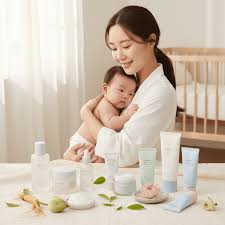
Breastfeeding safe skincare focuses on avoiding ingredients that could potentially transfer to your baby. It prioritizes natural, gentle, and non-toxic formulas. The goal is effective care for your skin without causing harm to your nursing infant through absorption or ingestion.
Understanding Breastfeeding Safe Skincare
When you’re breastfeeding, your body is a super-feeder. Everything you consume or absorb can potentially reach your baby. This includes things you put on your skin.
Many everyday skincare items contain chemicals. Some of these might not be ideal for a tiny, developing system. That’s why choosing wisely is important.
Think of your skin as a sponge. It absorbs what you apply. While most skincare products are generally safe, certain ingredients are flagged.
These are often ones with known hormonal effects or potential toxicity. Breastfeeding safe skincare means choosing products that minimize these risks. It’s about using ingredients that are gentle and well-tolerated.
This focus on safety doesn’t mean you have to sacrifice effectiveness. Many brands now offer fantastic products. They use natural, plant-based, and soothing ingredients.
These work well for your skin. They also give you peace of mind. You can achieve healthy, glowing skin.
You can do this without worrying about passing anything harmful to your baby. It’s a balance. It’s about making informed choices.
Why Safety Matters So Much
Your baby is so new and fragile. Their systems are still growing. They are more sensitive to external factors.
Even small amounts of certain chemicals could have an effect. This might not be immediate. It could be something that shows up later.
We don’t have a lot of long-term studies on many cosmetic ingredients and breastfeeding. So, it’s best to be cautious.
The concern often centers around a few key areas. These include things like phthalates, parabens, and certain fragrances. Some essential oils can also be a concern.
These ingredients can sometimes disrupt hormones. They can also be skin irritants for sensitive baby skin. Breastfeeding safe skincare aims to steer clear of these potential problem-makers.
It’s about proactive care.
It’s not about being fearful. It’s about being smart and protective. You are your baby’s first line of defense.
You want to ensure everything they are exposed to is as clean and safe as possible. This extends to the products you use daily. Your skin care routine is part of that.
Choosing safe products shows that deep care. It’s a simple but powerful act of love.
Common Ingredients to Watch Out For
Let’s talk about the usual suspects. These are ingredients often found in skincare. They are the ones you’ll want to avoid or use with extreme caution.
Reading labels is your best friend here. It can seem overwhelming at first. But once you know what to look for, it gets much easier.
Retinoids: This is a big one. Topical retinoids, like retinol or tretinoin, are potent. They are related to Vitamin A.
While amazing for anti-aging, they are generally not recommended during pregnancy or breastfeeding. Some sources suggest minimal absorption. But the risk isn’t worth it.
Stick to safer alternatives for now.
Phthalates: You might see these listed as DEP, DBP, DEHP, or just “fragrance.” Phthalates are common in perfumes and lotions. They help scents last longer. They are also linked to hormone disruption.
They can be absorbed through the skin. Always opt for fragrance-free or naturally scented products.
Parabens: Methylparaben, propylparaben, butylparaben – these are preservatives. They help products last longer. However, they can mimic estrogen in the body.
This raises concerns about hormonal balance. Many brands now offer paraben-free options. Look for these on the packaging.
Salicylic Acid: This is often in acne treatments. In low concentrations (like 1-2%), it’s usually considered safe. However, higher concentrations or widespread use could be an issue.
If you have acne concerns, talk to your doctor first. They can recommend safe treatments.
Hydroquinone: This is a skin-lightening agent. It’s often used for dark spots. It’s generally advised to avoid it while breastfeeding.
Absorption is a concern. Again, consult a doctor for alternatives.
Formaldehyde and Formaldehyde-Releasing Preservatives: You might see names like quaternium-15 or DMDM hydantoin. These can release formaldehyde over time. Formaldehyde is a known carcinogen.
It’s best to avoid it completely.
Certain Essential Oils: While many essential oils are natural, some are too strong for babies. Peppermint, eucalyptus, and rosemary can be problematic. They might reduce milk supply or affect a baby’s breathing.
Always check with a qualified aromatherapist or your doctor before using essential oils while breastfeeding.
Aluminum Compounds: Found in some antiperspirants. They can potentially block milk ducts. It’s often recommended to switch to a natural deodorant during this time.
Coal Tar: Used in some psoriasis shampoos and treatments. It’s a known carcinogen and should be avoided.
Chemical Sunscreens (Oxybenzone, Octinoxate): Some of these can be absorbed into the bloodstream. Mineral sunscreens with zinc oxide and titanium dioxide are generally preferred for nursing moms.
Making the Switch: What to Look For
So, what should you be looking for? It’s all about embracing gentleness and natural goodness. The focus shifts to ingredients that nourish and protect without harsh chemicals.
This is where many amazing brands shine.
Natural and Organic Ingredients: Look for labels that highlight natural extracts. Think aloe vera, shea butter, coconut oil, chamomile, and calendula. Organic certifications can also be a good sign.
They often mean stricter standards for ingredient sourcing.
Minimal Fragrance or Natural Scents: Fragrance-free is usually the safest bet. If you do like a scent, look for products scented with natural essential oils that are known to be safe. Lavender and chamomile are often good choices.
Avoid anything labeled simply “fragrance” or “parfum” without further detail.
Mineral Sunscreens: As mentioned, zinc oxide and titanium dioxide are physical blockers. They sit on top of the skin. They don’t get absorbed.
This makes them a great choice for sensitive skin and for breastfeeding mothers. They provide broad-spectrum protection.
Simple Ingredient Lists: Products with fewer ingredients are often better. A long list of unpronounceable chemicals can be a red flag. Shorter lists mean fewer chances for something problematic to sneak in.
Hypoallergenic and Dermatologist-Tested: These labels indicate that a product has been tested for potential allergic reactions. While not a guarantee, they suggest a product is formulated for sensitive skin.
Water-Based Formulas: These are generally lighter and less likely to clog pores or cause irritation.
Clean Beauty Brands: Many brands are built around the concept of “clean beauty.” They prioritize safe, ethically sourced, and effective ingredients. Researching these brands can lead you to many great options.
Quick Scan: Your Breastfeeding Skincare Checklist
Avoid:
- Retinoids (Retinol, Tretinoin)
- Phthalates (often in ‘fragrance’)
- Parabens (Methylparaben, etc.)
- High concentrations of Salicylic Acid
- Hydroquinone
- Formaldehyde & Releasers
- Certain potent Essential Oils (Peppermint, Eucalyptus)
- Chemical Sunscreens (Oxybenzone, Octinoxate)
Look For:
- Mineral Sunscreens (Zinc Oxide, Titanium Dioxide)
- Natural Oils (Shea Butter, Coconut Oil)
- Gentle Extracts (Aloe Vera, Chamomile)
- Fragrance-Free or Natural Scents
- Simple, short ingredient lists
- “Clean Beauty” formulations
My Own Skincare Journey While Nursing
I remember vividly the first few months after my daughter was born. Sleep was a distant memory. My skin felt… well, it felt neglected.
It was dry, dull, and a bit hormonal. I was still using my old skincare products. They were a mix of things I’d picked up over the years.
Some were quite potent.
One evening, I was washing my face. I caught sight of the ingredient list on my favorite anti-aging serum. It was full of terms I could barely pronounce.
Suddenly, I felt a pang of worry. Was this stuff okay? Was it getting into my bloodstream?
Was it potentially affecting my milk? The thought made my stomach clench a little. I felt a wave of confusion and a bit of panic.
I decided right then that things needed to change. I felt like I was letting my own needs slide for months. Now, with this added worry, I knew I had to prioritize safety.
I spent hours online. I read articles, scoured ingredient lists, and looked at reviews. It felt like a part-time job.
But the thought of my baby’s well-being kept me going. I wanted to find products that made me feel good and that I could trust. That’s when I started discovering amazing brands focused on clean ingredients.
Everyday Skincare Categories for Nursing Moms
Let’s break down what kinds of products are generally safe and what to look for. This makes it easier to build a routine you can feel good about.
Cleansers
Your cleanser is the first step. You want something gentle. It should remove dirt and oil without stripping your skin.
Harsh sulfates can be drying. They can also irritate sensitive skin. Look for creamy, milky, or gel-based cleansers.
Ingredients like glycerin, aloe, and gentle plant extracts are great.
Many oil-based cleansers are also fantastic. They can help dissolve impurities without drying. Just make sure the oils used are safe.
Examples include jojoba oil, sunflower seed oil, or squalane.
Cleanser Choice: Normal vs. Concerning
Normal:
- Creamy or milky cleansers
- Gel cleansers with gentle surfactants
- Oil-based cleansers (Jojoba, Sunflower Seed)
- Fragrance-free options
- Aloe vera or Glycerin
Concerning:
- Foaming cleansers with SLS/SLES (Sodium Lauryl/Laureth Sulfate)
- Cleansers with strong fragrances
- Anything with harsh alcohols
- Products with salicylic acid above 1-2%
Moisturizers and Lotions
Hydration is key, especially with new parenthood sleep deprivation! Your skin needs moisture. Look for rich but non-comedogenic moisturizers.
This means they won’t clog your pores. Ingredients like hyaluronic acid are excellent for drawing moisture to the skin. Natural butters and oils are also wonderful.
Think shea butter, cocoa butter, mango butter. Also consider plant oils like argan oil, rosehip oil, and avocado oil. These are packed with vitamins and fatty acids.
They help repair and protect your skin barrier. Always check the fragrance. Opt for unscented or very lightly scented with safe essential oils.
Serums and Treatments
This is where you have to be most vigilant. Avoid retinoids at all costs. For brightening, vitamin C serums are generally considered safe and beneficial.
They are also antioxidants. Look for stable forms of Vitamin C like sodium ascorbyl phosphate or magnesium ascorbyl phosphate.
For hydration, hyaluronic acid serums are fantastic. Niacinamide is another great ingredient. It helps with pores, redness, and skin barrier function.
It’s usually considered safe. Always double-check the formulation and look for products with minimal additives.
Sunscreen
Protecting your skin from the sun is crucial. As we discussed, mineral sunscreens are the way to go. They form a physical barrier.
They are less likely to cause irritation. Look for broad-spectrum protection. This means it guards against both UVA and UVB rays.
Brands specializing in mineral sunscreens are often a good bet.
Some mineral sunscreens can leave a white cast. Newer formulations are often tinted or micronized. This helps them blend better with skin tones.
Find one you like applying. That way, you’ll use it consistently.
Your Daily Safe Skincare Routine Snapshot
Morning:
- Cleanse: Gentle, hydrating cleanser.
- Treat (Optional): Vitamin C serum or Hyaluronic Acid serum.
- Moisturize: Light lotion or cream.
- Protect: Mineral sunscreen (SPF 30+).
Evening:
- Cleanse: Gentle cleanser (or double cleanse with an oil cleanser if wearing makeup).
- Treat (Optional): Hyaluronic Acid or Niacinamide serum.
- Moisturize: Richer cream to lock in hydration overnight.
Tips for Choosing and Using Products
Beyond just checking labels, there are other smart ways to approach your skincare. These make the process smoother.
Patch Test Everything: Even “safe” ingredients can cause a reaction in some people. Before applying a new product to your face, test a small amount on your inner arm. Wait 24 hours to see if any redness, itching, or irritation occurs.
This is especially important for sensitive skin.
Start Simple: Don’t feel like you need a 10-step routine. A good cleanser, moisturizer, and sunscreen are the essentials. You can add treatments as needed once you’re comfortable.
This makes the transition less overwhelming.
Consult Your Doctor or Dermatologist: If you have specific skin concerns like acne, eczema, or rosacea, talk to a professional. They can recommend safe treatment options tailored to you. They can also help decipher ingredient lists if you’re unsure.
Look for U.S. Brands with Clear Ethics: Brands that are transparent about their ingredient sourcing and manufacturing processes often have the safest products. Look for companies that pride themselves on clean formulations.
Don’t Forget Your Lips and Body: Your lips can get dry too. Use a gentle lip balm. Avoid anything with menthol or strong camphor.
For your body, use unscented or naturally scented lotions. This is especially important for areas your baby might touch or nuzzle.
When to Seek Professional Advice
While this guide aims to be comprehensive, everyone’s skin and situation are unique. There are times when professional advice is really needed.
Severe Acne or Skin Conditions: If you’re experiencing persistent or severe acne, eczema flares, or other skin issues, don’t hesitate to see a dermatologist. They can prescribe safe topical medications or suggest in-office treatments. They understand the nuances of breastfeeding safety.
Concerns About Specific Ingredients: If you come across an ingredient you’re unsure about, ask. Your doctor or a pharmacist can often provide information about its safety profile during lactation. Many reputable skincare brands also have customer service lines that can answer ingredient questions.
Allergic Reactions: If you experience any signs of an allergic reaction after using a product, stop using it immediately. Consult your doctor. This is true whether you are breastfeeding or not.
Anything That Feels Off: Trust your gut. If a product or ingredient makes you feel uneasy, it’s okay to avoid it. There are so many safe and effective options available.
You don’t need to use anything you’re uncomfortable with.
Signs It’s Time to Talk to a Pro
- Persistent, painful acne
- Severe dry patches or eczema
- Unexplained rashes or hives
- Concerns about specific prescription or OTC treatments
- Ingredients you cannot identify or understand
What This Means for Your Confidence
Making these changes might seem like a lot at first. But think about the bigger picture. Choosing breastfeeding safe skincare is an act of self-care.
It’s also an act of love for your baby. When you use products you trust, you feel better. You feel more confident.
You’re not constantly worrying.
This can make a real difference in your daily life. The newborn phase is intense. Small things that bring comfort and a sense of normalcy are precious.
A simple skincare routine can be one of those things. It’s a moment to focus on yourself, even if just for a few minutes.
Feeling good about your skin can boost your overall mood. It can help you feel more like yourself during a time of huge change. It’s not about vanity.
It’s about well-being. Taking care of your skin is taking care of you. And when you’re taking care of you, you’re better able to take care of your little one.
It’s a positive cycle.
Common Questions About Breastfeeding Safe Skincare
Is all natural skincare safe for breastfeeding moms?
Not necessarily. While “natural” is often better, some natural ingredients, like certain essential oils (e.g., peppermint, eucalyptus), can be problematic. Always check ingredient lists and research specific natural components for safety during lactation. Prioritize minimal, recognizable ingredients.
Can I use Vitamin C serum while breastfeeding?
Yes, Vitamin C serums are generally considered safe for breastfeeding mothers. They are antioxidants and can help brighten skin. Look for stable forms of Vitamin C and avoid products with added retinoids or other questionable ingredients.
What about acne treatments during breastfeeding?
This can be tricky. Topical salicylic acid in low concentrations (1-2%) is usually okay. However, benzoyl peroxide can also be used sparingly. Oral acne medications like isotretinoin (Accutane) are strictly prohibited. Always consult your dermatologist or doctor for the safest acne treatment plan while nursing.
Can I use tinted moisturizers or BB creams?
Often, yes. Many tinted moisturizers and BB creams use safe mineral pigments. The key is to check the full ingredient list. Avoid those with retinoids, phthalates, or heavy synthetic fragrances. Look for brands that focus on clean ingredients.
Is it okay to use essential oils in skincare while breastfeeding?
Use extreme caution. Some essential oils, like peppermint, eucalyptus, or rosemary, are thought to affect milk supply or baby’s health. Lavender and chamomile are generally considered safer in low dilutions, but it’s always best to consult with a certified aromatherapist or your doctor before using any essential oils.
Do I need to avoid all fragranced products?
It’s highly recommended to avoid products with synthetic fragrances (often listed as “parfum” or “fragrance” on labels). These can contain phthalates. If you want a scent, opt for products scented with naturally derived essential oils that are known to be safe for nursing mothers and babies.
Where can I find trustworthy brands for breastfeeding safe skincare?
Many brands now focus on “clean beauty” and transparent ingredient lists. Look for companies that clearly state their commitment to avoiding specific harmful chemicals. Reading reviews from other nursing mothers can also be helpful. Some popular categories include mineral sunscreens and plant-based body care.
Final Thoughts on Your Skincare Journey
Taking care of your skin while breastfeeding is important for you. It’s about feeling good and being gentle. You don’t need to use harsh chemicals.
Many wonderful products are available. They are safe for you and your baby. Focus on simple, natural ingredients.
Always check labels. And if in doubt, ask a professional. Enjoy this special time.
