Blog

  • Breastfeeding Safe Skincare

    Breastfeeding Safe Skincare

    Breastfeeding safe skincare focuses on avoiding ingredients that could potentially transfer to your baby. It prioritizes natural, gentle, and non-toxic formulas. The goal is effective care for your skin without causing harm to your nursing infant through absorption or ingestion.

    Understanding Breastfeeding Safe Skincare

    When you’re breastfeeding, your body is a super-feeder. Everything you consume or absorb can potentially reach your baby. This includes things you put on your skin.

    Many everyday skincare items contain chemicals. Some of these might not be ideal for a tiny, developing system. That’s why choosing wisely is important.

    Think of your skin as a sponge. It absorbs what you apply. While most skincare products are generally safe, certain ingredients are flagged.

    These are often ones with known hormonal effects or potential toxicity. Breastfeeding safe skincare means choosing products that minimize these risks. It’s about using ingredients that are gentle and well-tolerated.

    This focus on safety doesn’t mean you have to sacrifice effectiveness. Many brands now offer fantastic products. They use natural, plant-based, and soothing ingredients.

    These work well for your skin. They also give you peace of mind. You can achieve healthy, glowing skin.

    You can do this without worrying about passing anything harmful to your baby. It’s a balance. It’s about making informed choices.

    Why Safety Matters So Much

    Your baby is so new and fragile. Their systems are still growing. They are more sensitive to external factors.

    Even small amounts of certain chemicals could have an effect. This might not be immediate. It could be something that shows up later.

    We don’t have a lot of long-term studies on many cosmetic ingredients and breastfeeding. So, it’s best to be cautious.

    The concern often centers around a few key areas. These include things like phthalates, parabens, and certain fragrances. Some essential oils can also be a concern.

    These ingredients can sometimes disrupt hormones. They can also be skin irritants for sensitive baby skin. Breastfeeding safe skincare aims to steer clear of these potential problem-makers.

    It’s about proactive care.

    It’s not about being fearful. It’s about being smart and protective. You are your baby’s first line of defense.

    You want to ensure everything they are exposed to is as clean and safe as possible. This extends to the products you use daily. Your skin care routine is part of that.

    Choosing safe products shows that deep care. It’s a simple but powerful act of love.

    Common Ingredients to Watch Out For

    Let’s talk about the usual suspects. These are ingredients often found in skincare. They are the ones you’ll want to avoid or use with extreme caution.

    Reading labels is your best friend here. It can seem overwhelming at first. But once you know what to look for, it gets much easier.

    Retinoids: This is a big one. Topical retinoids, like retinol or tretinoin, are potent. They are related to Vitamin A.

    While amazing for anti-aging, they are generally not recommended during pregnancy or breastfeeding. Some sources suggest minimal absorption. But the risk isn’t worth it.

    Stick to safer alternatives for now.

    Phthalates: You might see these listed as DEP, DBP, DEHP, or just “fragrance.” Phthalates are common in perfumes and lotions. They help scents last longer. They are also linked to hormone disruption.

    They can be absorbed through the skin. Always opt for fragrance-free or naturally scented products.

    Parabens: Methylparaben, propylparaben, butylparaben – these are preservatives. They help products last longer. However, they can mimic estrogen in the body.

    This raises concerns about hormonal balance. Many brands now offer paraben-free options. Look for these on the packaging.

    Salicylic Acid: This is often in acne treatments. In low concentrations (like 1-2%), it’s usually considered safe. However, higher concentrations or widespread use could be an issue.

    If you have acne concerns, talk to your doctor first. They can recommend safe treatments.

    Hydroquinone: This is a skin-lightening agent. It’s often used for dark spots. It’s generally advised to avoid it while breastfeeding.

    Absorption is a concern. Again, consult a doctor for alternatives.

    Formaldehyde and Formaldehyde-Releasing Preservatives: You might see names like quaternium-15 or DMDM hydantoin. These can release formaldehyde over time. Formaldehyde is a known carcinogen.

    It’s best to avoid it completely.

    Certain Essential Oils: While many essential oils are natural, some are too strong for babies. Peppermint, eucalyptus, and rosemary can be problematic. They might reduce milk supply or affect a baby’s breathing.

    Always check with a qualified aromatherapist or your doctor before using essential oils while breastfeeding.

    Aluminum Compounds: Found in some antiperspirants. They can potentially block milk ducts. It’s often recommended to switch to a natural deodorant during this time.

    Coal Tar: Used in some psoriasis shampoos and treatments. It’s a known carcinogen and should be avoided.

    Chemical Sunscreens (Oxybenzone, Octinoxate): Some of these can be absorbed into the bloodstream. Mineral sunscreens with zinc oxide and titanium dioxide are generally preferred for nursing moms.

    Making the Switch: What to Look For

    So, what should you be looking for? It’s all about embracing gentleness and natural goodness. The focus shifts to ingredients that nourish and protect without harsh chemicals.

    This is where many amazing brands shine.

    Natural and Organic Ingredients: Look for labels that highlight natural extracts. Think aloe vera, shea butter, coconut oil, chamomile, and calendula. Organic certifications can also be a good sign.

    They often mean stricter standards for ingredient sourcing.

    Minimal Fragrance or Natural Scents: Fragrance-free is usually the safest bet. If you do like a scent, look for products scented with natural essential oils that are known to be safe. Lavender and chamomile are often good choices.

    Avoid anything labeled simply “fragrance” or “parfum” without further detail.

    Mineral Sunscreens: As mentioned, zinc oxide and titanium dioxide are physical blockers. They sit on top of the skin. They don’t get absorbed.

    This makes them a great choice for sensitive skin and for breastfeeding mothers. They provide broad-spectrum protection.

    Simple Ingredient Lists: Products with fewer ingredients are often better. A long list of unpronounceable chemicals can be a red flag. Shorter lists mean fewer chances for something problematic to sneak in.

    Hypoallergenic and Dermatologist-Tested: These labels indicate that a product has been tested for potential allergic reactions. While not a guarantee, they suggest a product is formulated for sensitive skin.

    Water-Based Formulas: These are generally lighter and less likely to clog pores or cause irritation.

    Clean Beauty Brands: Many brands are built around the concept of “clean beauty.” They prioritize safe, ethically sourced, and effective ingredients. Researching these brands can lead you to many great options.

    Quick Scan: Your Breastfeeding Skincare Checklist

    Avoid:

    • Retinoids (Retinol, Tretinoin)
    • Phthalates (often in ‘fragrance’)
    • Parabens (Methylparaben, etc.)
    • High concentrations of Salicylic Acid
    • Hydroquinone
    • Formaldehyde & Releasers
    • Certain potent Essential Oils (Peppermint, Eucalyptus)
    • Chemical Sunscreens (Oxybenzone, Octinoxate)

    Look For:

    • Mineral Sunscreens (Zinc Oxide, Titanium Dioxide)
    • Natural Oils (Shea Butter, Coconut Oil)
    • Gentle Extracts (Aloe Vera, Chamomile)
    • Fragrance-Free or Natural Scents
    • Simple, short ingredient lists
    • “Clean Beauty” formulations

    My Own Skincare Journey While Nursing

    I remember vividly the first few months after my daughter was born. Sleep was a distant memory. My skin felt… well, it felt neglected.

    It was dry, dull, and a bit hormonal. I was still using my old skincare products. They were a mix of things I’d picked up over the years.

    Some were quite potent.

    One evening, I was washing my face. I caught sight of the ingredient list on my favorite anti-aging serum. It was full of terms I could barely pronounce.

    Suddenly, I felt a pang of worry. Was this stuff okay? Was it getting into my bloodstream?

    Was it potentially affecting my milk? The thought made my stomach clench a little. I felt a wave of confusion and a bit of panic.

    I decided right then that things needed to change. I felt like I was letting my own needs slide for months. Now, with this added worry, I knew I had to prioritize safety.

    I spent hours online. I read articles, scoured ingredient lists, and looked at reviews. It felt like a part-time job.

    But the thought of my baby’s well-being kept me going. I wanted to find products that made me feel good and that I could trust. That’s when I started discovering amazing brands focused on clean ingredients.

    Everyday Skincare Categories for Nursing Moms

    Let’s break down what kinds of products are generally safe and what to look for. This makes it easier to build a routine you can feel good about.

    Cleansers

    Your cleanser is the first step. You want something gentle. It should remove dirt and oil without stripping your skin.

    Harsh sulfates can be drying. They can also irritate sensitive skin. Look for creamy, milky, or gel-based cleansers.

    Ingredients like glycerin, aloe, and gentle plant extracts are great.

    Many oil-based cleansers are also fantastic. They can help dissolve impurities without drying. Just make sure the oils used are safe.

    Examples include jojoba oil, sunflower seed oil, or squalane.

    Cleanser Choice: Normal vs. Concerning

    Normal:

    • Creamy or milky cleansers
    • Gel cleansers with gentle surfactants
    • Oil-based cleansers (Jojoba, Sunflower Seed)
    • Fragrance-free options
    • Aloe vera or Glycerin

    Concerning:

    • Foaming cleansers with SLS/SLES (Sodium Lauryl/Laureth Sulfate)
    • Cleansers with strong fragrances
    • Anything with harsh alcohols
    • Products with salicylic acid above 1-2%

    Moisturizers and Lotions

    Hydration is key, especially with new parenthood sleep deprivation! Your skin needs moisture. Look for rich but non-comedogenic moisturizers.

    This means they won’t clog your pores. Ingredients like hyaluronic acid are excellent for drawing moisture to the skin. Natural butters and oils are also wonderful.

    Think shea butter, cocoa butter, mango butter. Also consider plant oils like argan oil, rosehip oil, and avocado oil. These are packed with vitamins and fatty acids.

    They help repair and protect your skin barrier. Always check the fragrance. Opt for unscented or very lightly scented with safe essential oils.

    Serums and Treatments

    This is where you have to be most vigilant. Avoid retinoids at all costs. For brightening, vitamin C serums are generally considered safe and beneficial.

    They are also antioxidants. Look for stable forms of Vitamin C like sodium ascorbyl phosphate or magnesium ascorbyl phosphate.

    For hydration, hyaluronic acid serums are fantastic. Niacinamide is another great ingredient. It helps with pores, redness, and skin barrier function.

    It’s usually considered safe. Always double-check the formulation and look for products with minimal additives.

    Sunscreen

    Protecting your skin from the sun is crucial. As we discussed, mineral sunscreens are the way to go. They form a physical barrier.

    They are less likely to cause irritation. Look for broad-spectrum protection. This means it guards against both UVA and UVB rays.

    Brands specializing in mineral sunscreens are often a good bet.

    Some mineral sunscreens can leave a white cast. Newer formulations are often tinted or micronized. This helps them blend better with skin tones.

    Find one you like applying. That way, you’ll use it consistently.

    Your Daily Safe Skincare Routine Snapshot

    Morning:

    • Cleanse: Gentle, hydrating cleanser.
    • Treat (Optional): Vitamin C serum or Hyaluronic Acid serum.
    • Moisturize: Light lotion or cream.
    • Protect: Mineral sunscreen (SPF 30+).

    Evening:

    • Cleanse: Gentle cleanser (or double cleanse with an oil cleanser if wearing makeup).
    • Treat (Optional): Hyaluronic Acid or Niacinamide serum.
    • Moisturize: Richer cream to lock in hydration overnight.

    Tips for Choosing and Using Products

    Beyond just checking labels, there are other smart ways to approach your skincare. These make the process smoother.

    Patch Test Everything: Even “safe” ingredients can cause a reaction in some people. Before applying a new product to your face, test a small amount on your inner arm. Wait 24 hours to see if any redness, itching, or irritation occurs.

    This is especially important for sensitive skin.

    Start Simple: Don’t feel like you need a 10-step routine. A good cleanser, moisturizer, and sunscreen are the essentials. You can add treatments as needed once you’re comfortable.

    This makes the transition less overwhelming.

    Consult Your Doctor or Dermatologist: If you have specific skin concerns like acne, eczema, or rosacea, talk to a professional. They can recommend safe treatment options tailored to you. They can also help decipher ingredient lists if you’re unsure.

    Look for U.S. Brands with Clear Ethics: Brands that are transparent about their ingredient sourcing and manufacturing processes often have the safest products. Look for companies that pride themselves on clean formulations.

    Don’t Forget Your Lips and Body: Your lips can get dry too. Use a gentle lip balm. Avoid anything with menthol or strong camphor.

    For your body, use unscented or naturally scented lotions. This is especially important for areas your baby might touch or nuzzle.

    When to Seek Professional Advice

    While this guide aims to be comprehensive, everyone’s skin and situation are unique. There are times when professional advice is really needed.

    Severe Acne or Skin Conditions: If you’re experiencing persistent or severe acne, eczema flares, or other skin issues, don’t hesitate to see a dermatologist. They can prescribe safe topical medications or suggest in-office treatments. They understand the nuances of breastfeeding safety.

    Concerns About Specific Ingredients: If you come across an ingredient you’re unsure about, ask. Your doctor or a pharmacist can often provide information about its safety profile during lactation. Many reputable skincare brands also have customer service lines that can answer ingredient questions.

    Allergic Reactions: If you experience any signs of an allergic reaction after using a product, stop using it immediately. Consult your doctor. This is true whether you are breastfeeding or not.

    Anything That Feels Off: Trust your gut. If a product or ingredient makes you feel uneasy, it’s okay to avoid it. There are so many safe and effective options available.

    You don’t need to use anything you’re uncomfortable with.

    Signs It’s Time to Talk to a Pro

    • Persistent, painful acne
    • Severe dry patches or eczema
    • Unexplained rashes or hives
    • Concerns about specific prescription or OTC treatments
    • Ingredients you cannot identify or understand

    What This Means for Your Confidence

    Making these changes might seem like a lot at first. But think about the bigger picture. Choosing breastfeeding safe skincare is an act of self-care.

    It’s also an act of love for your baby. When you use products you trust, you feel better. You feel more confident.

    You’re not constantly worrying.

    This can make a real difference in your daily life. The newborn phase is intense. Small things that bring comfort and a sense of normalcy are precious.

    A simple skincare routine can be one of those things. It’s a moment to focus on yourself, even if just for a few minutes.

    Feeling good about your skin can boost your overall mood. It can help you feel more like yourself during a time of huge change. It’s not about vanity.

    It’s about well-being. Taking care of your skin is taking care of you. And when you’re taking care of you, you’re better able to take care of your little one.

    It’s a positive cycle.

    Common Questions About Breastfeeding Safe Skincare

    Is all natural skincare safe for breastfeeding moms?

    Not necessarily. While “natural” is often better, some natural ingredients, like certain essential oils (e.g., peppermint, eucalyptus), can be problematic. Always check ingredient lists and research specific natural components for safety during lactation. Prioritize minimal, recognizable ingredients.

    Can I use Vitamin C serum while breastfeeding?

    Yes, Vitamin C serums are generally considered safe for breastfeeding mothers. They are antioxidants and can help brighten skin. Look for stable forms of Vitamin C and avoid products with added retinoids or other questionable ingredients.

    What about acne treatments during breastfeeding?

    This can be tricky. Topical salicylic acid in low concentrations (1-2%) is usually okay. However, benzoyl peroxide can also be used sparingly. Oral acne medications like isotretinoin (Accutane) are strictly prohibited. Always consult your dermatologist or doctor for the safest acne treatment plan while nursing.

    Can I use tinted moisturizers or BB creams?

    Often, yes. Many tinted moisturizers and BB creams use safe mineral pigments. The key is to check the full ingredient list. Avoid those with retinoids, phthalates, or heavy synthetic fragrances. Look for brands that focus on clean ingredients.

    Is it okay to use essential oils in skincare while breastfeeding?

    Use extreme caution. Some essential oils, like peppermint, eucalyptus, or rosemary, are thought to affect milk supply or baby’s health. Lavender and chamomile are generally considered safer in low dilutions, but it’s always best to consult with a certified aromatherapist or your doctor before using any essential oils.

    Do I need to avoid all fragranced products?

    It’s highly recommended to avoid products with synthetic fragrances (often listed as “parfum” or “fragrance” on labels). These can contain phthalates. If you want a scent, opt for products scented with naturally derived essential oils that are known to be safe for nursing mothers and babies.

    Where can I find trustworthy brands for breastfeeding safe skincare?

    Many brands now focus on “clean beauty” and transparent ingredient lists. Look for companies that clearly state their commitment to avoiding specific harmful chemicals. Reading reviews from other nursing mothers can also be helpful. Some popular categories include mineral sunscreens and plant-based body care.

    Final Thoughts on Your Skincare Journey

    Taking care of your skin while breastfeeding is important for you. It’s about feeling good and being gentle. You don’t need to use harsh chemicals.

    Many wonderful products are available. They are safe for you and your baby. Focus on simple, natural ingredients.

    Always check labels. And if in doubt, ask a professional. Enjoy this special time.

  • Postpartum Self Care Ideas

    Postpartum Self Care Ideas

    Postpartum self-care involves intentionally prioritizing your physical, mental, and emotional needs after giving birth. It encompasses simple acts of nurturing yourself, like getting rest, eating well, moving your body gently, and seeking support, to help you recover and adapt to motherhood.

    What is Postpartum Self-Care Really?

    Postpartum self-care means making time for YOU. It’s about recharging your batteries. It’s about healing.

    It’s about finding moments of peace. It doesn’t have to be grand gestures. Small, consistent acts make a big difference.

    Think of it as essential maintenance for your body and mind. This is the time when your body has gone through so much. Your emotions are likely all over the place.

    Your life has changed completely. Self-care helps you navigate these changes more smoothly.

    It’s not about spa days every week. For many new moms, that’s not realistic. It’s about finding what works for your unique situation.

    It might be a quiet cup of tea. It might be a short walk outside. It might be asking your partner for an hour to yourself.

    The goal is to feel more supported and less drained. This period is intense, and being kind to yourself is key. It helps build resilience for the journey ahead.

    Understanding what postpartum self-care entails helps demystify it. It breaks down the big idea into manageable actions. It shows that you don’t need to do it all.

    You just need to do something for yourself. Even a few minutes can shift your perspective. It can help you feel more grounded.

    It can remind you that you matter, too.

    My Own Postpartum Journey: A Wake-Up Call

    I remember those first few weeks after my son was born. It felt like a whirlwind. Sleep was a distant memory.

    Every noise the baby made sent me into a panic. I was constantly worried. Was he eating enough?

    Was he breathing okay? My own needs felt like a distant second. I lived on lukewarm coffee and whatever snack was closest.

    Showers were a luxury. Eating a full meal felt impossible.

    One afternoon, I caught my reflection in the hallway mirror. I looked utterly exhausted. My eyes were tired and my hair was a mess.

    I felt a wave of loneliness wash over me. My husband was wonderful, but he was also navigating this new world. We were both running on fumes.

    I realized then that I couldn’t keep going like this. I was running on empty. I wouldn’t be able to care for my son if I fell apart.

    That was my turning point. I knew I had to find ways to take better care of myself. It wasn’t about being selfish.

    It was about survival. It was about being a better mom. It was about showing myself the same love I was giving my baby.

    I started small. I made sure to drink water. I asked for help when I needed it.

    I allowed myself to rest when the baby napped. It was a slow process, but it made a world of difference.

    Simple Self-Care Wins: Quick Moments for You

    Hydration Station: Keep a water bottle by your side constantly. Staying hydrated helps with energy and recovery. It’s one of the easiest things to do.

    Mindful Minutes: Take three deep breaths. Close your eyes for just 60 seconds. Focus on your breath.

    It can reset your nervous system.

    Snack Smart: Have easy, healthy snacks within reach. Think fruit, nuts, or granola bars. Fueling your body is crucial.

    Listen to Your Body: If you feel tired, try to rest. Even 20 minutes can help. Don’t push yourself too hard.

    Prioritizing Physical Recovery

    Your body has just done an incredible thing. It grew and birthed a human! Healing is a top priority.

    This means giving your body what it needs to recover. It’s not just about avoiding harm. It’s about actively helping it mend.

    Rest is Your Best Medicine

    Sleep is the most precious commodity right now. It feels impossible, but even short naps count. Try to sleep when the baby sleeps.

    If you have help, let them take the baby for an hour so you can rest. Don’t try to do all the chores. Your job is to recover and care for your baby.

    Everything else can wait.

    Creating a good sleep environment helps. Make your bedroom dark and quiet. Try to wind down before bed.

    Even if you only get a few hours, make them count. Quality rest is more important than quantity right now. Listen to your body’s signals.

    Nourishing Your Body

    What you eat directly impacts how you feel. Aim for balanced meals. Include lean protein, whole grains, fruits, and vegetables.

    These provide essential nutrients for healing and energy. Keep healthy snacks handy for when you feel hungry between meals.

    Hydration is also key. Drink plenty of water throughout the day. This is especially important if you are breastfeeding.

    Dehydration can make you feel tired and sluggish. Keep a water bottle with you at all times.

    Gentle Movement

    Once your doctor gives you the okay, gentle movement can be very beneficial. Short walks are great for your mood and physical recovery. Listen to your body.

    Don’t overdo it. Start slow and gradually increase your activity. Pelvic floor exercises and light stretching can also help.

    They aid in healing and rebuilding strength.

    Postpartum Healing Checklist: Key Focus Areas

    • Rest: Aim for naps when baby naps. Prioritize sleep over chores.
    • Nutrition: Eat balanced meals with protein, fruits, and veggies.
    • Hydration: Drink water consistently throughout the day.
    • Gentle Exercise: Start with short walks and doctor-approved exercises.
    • Listen to Your Body: Don’t push yourself. Allow for rest and recovery.

    Nurturing Your Mental and Emotional Well-being

    The postpartum period is a huge emotional adjustment. Your hormones are fluctuating wildly. You are learning a new role.

    It’s normal to feel a range of emotions. This can include joy, anxiety, sadness, and overwhelm. It’s important to acknowledge these feelings.

    Acknowledge Your Feelings

    It’s okay to not be okay all the time. Many new mothers experience the “baby blues.” This includes mood swings, crying spells, and anxiety. These feelings usually pass within a couple of weeks.

    However, if these feelings are intense, last longer, or interfere with your ability to care for yourself or your baby, it’s crucial to seek professional help. This could be signs of postpartum depression or anxiety.

    Talking about your feelings is incredibly helpful. Share with your partner, a trusted friend, or family member. Sometimes, just saying it out loud can ease the burden.

    Don’t bottle things up.

    Connecting with Others

    Isolation is a common challenge for new parents. Make an effort to connect with other adults. This could be your partner, friends, or other new moms.

    Joining a local parent group can be very beneficial. You can share experiences and support each other. Even a quick phone call or video chat can help.

    Don’t be afraid to ask for visitors. But also, it’s okay to set boundaries. If you need rest, it’s fine to ask people to come another time.

    Protect your peace and your recovery time.

    Mindfulness and Self-Compassion

    Mindfulness means being present in the moment. It can help reduce feelings of overwhelm. Try simple breathing exercises.

    Focus on the feeling of your baby in your arms. Enjoy a quiet moment with a warm drink. These small practices can anchor you.

    Self-compassion is treating yourself with the same kindness you would offer a friend. You are doing a difficult job. You will make mistakes.

    That’s okay. Forgive yourself. Celebrate small victories.

    Remind yourself that you are doing your best.

    Emotional Check-In: Are You Doing Okay?

    • Rate your mood: On a scale of 1 to 10, how are you feeling today?
    • Identify one positive: What is one good thing that happened or you did?
    • Express one need: What do you need right now, even if it’s small?
    • Connect: Reach out to one person today, even for a quick chat.

    Practical Self-Care Ideas for Busy Moms

    Self-care doesn’t have to be time-consuming. It’s about finding small pockets of time. It’s about integrating self-nurturing into your daily routine.

    Think about small, achievable actions.

    Tiny Moments of Peace

    The 5-Minute Reset: Step outside for five minutes. Feel the air on your skin. Look at the sky.

    It’s a quick way to reconnect with yourself and the world outside your immediate space.

    Listen to Music: Put on some calming music while you feed your baby or do a simple task. Music can shift your mood quickly.

    Enjoy a Hot Drink: Make yourself a cup of tea or coffee. Sit down for a few minutes to sip it slowly. Try to drink it while it’s still warm!

    Involving Your Support System

    Delegate Tasks: If you have a partner, family, or friends helping, let them help! Ask them to do specific chores. This frees you up to rest or do something for yourself.

    Tag Team: Work with your partner to get breaks. One parent watches the baby while the other takes a shower, reads, or just sits quietly.

    Accept Help: When someone offers to bring a meal or help with laundry, say YES. Don’t feel guilty about it.

    Self-Care in Your Routine

    Morning Routine: Even if it’s just washing your face and brushing your teeth, try to have a consistent morning ritual. It sets a tone for the day.

    Evening Wind-Down: Before bed, try a few minutes of gentle stretching or reading a few pages of a book. This helps signal to your body that it’s time to rest.

    Self-Care “Appointments”: Schedule short self-care breaks into your day like you would a doctor’s appointment. This makes them more likely to happen.

    Quick Wins: Self-Care in Under 15 Minutes

    Sensory Break: Light a favorite candle, take a warm shower, or enjoy a scented lotion.

    Movement Snack: Do 10 squats or a few minutes of stretching.

    Gratitude Practice: Write down three things you are grateful for.

    Creative Outlet: Doodle, journal a few sentences, or hum a tune.

    Outdoor Air: Sit on your porch or balcony for 10 minutes.

    When to Seek Extra Support

    While self-care is crucial, sometimes it’s not enough. It’s vital to know when to reach out for professional help. Your health and well-being are important.

    There are resources available to support you.

    Recognizing Signs of Postpartum Depression (PPD) and Anxiety (PPA)

    The “baby blues” are common and usually temporary. But conditions like PPD and PPA are more serious. They require professional treatment.

    Signs include:

    • Persistent sadness or hopelessness
    • Loss of interest in activities you once enjoyed
    • Severe mood swings
    • Excessive worry or panic attacks
    • Intrusive thoughts
    • Difficulty bonding with your baby
    • Thoughts of harming yourself or your baby

    If you experience any of these, please reach out immediately. You are not alone, and help is available.

    Who to Talk To

    Your Doctor or Midwife: This is the first and most important step. They can screen you for PPD/PPA and refer you to specialists.

    Therapists or Counselors: Mental health professionals specializing in perinatal mental health can provide therapy and coping strategies.

    Postpartum Support International (PSI): This organization offers a helpline, online support groups, and resources for parents. Their number is 1-800-944-4773.

    Your Partner or Trusted Loved Ones: Open communication with your support network is essential. Let them know how you are feeling.

    Signs It’s More Than Just the Baby Blues

    Duration: Feelings persist for more than two weeks.

    Intensity: Symptoms are severe and overwhelming.

    Impact: You have trouble functioning day-to-day or caring for yourself/baby.

    Suicidal Thoughts: You have thoughts of death or suicide.

    Safety Concern: You worry about harming yourself or your baby.

    Making Self-Care a Sustainable Practice

    Postpartum self-care is not a one-time fix. It’s a practice that evolves. As your baby grows, your needs will change.

    What worked in the first few weeks might need adjusting. The key is flexibility and continuous effort.

    Adjusting as You Go

    Be prepared to adapt your self-care strategies. What felt essential yesterday might not feel so critical today. What felt impossible last month might be doable now.

    Regularly check in with yourself. Ask: “What do I need right now?”

    For example, a quiet cup of tea might be

    Setting Realistic Expectations

    It’s vital to set realistic expectations for yourself. You won’t be perfect. There will be days when self-care feels like an afterthought.

    That’s okay. Don’t let one difficult day derail your efforts. Just pick up where you left off the next day.

    Comparison is the thief of joy. Avoid comparing your postpartum journey to others, especially on social media. Everyone’s experience is unique.

    Focus on your own progress and well-being.

    Involving Your Partner and Family

    Self-care is a team effort. Talk with your partner about your needs and how they can support you. Schedule self-care time together.

    This could be a short walk, a meal out, or just quiet time at home. Encourage your partner to practice self-care too. When you both are well-cared for, your family thrives.

    Educate your extended family and friends about what kind of support is most helpful. Sometimes people want to help but don’t know how. Be specific.

    Ask for help with childcare, errands, or meal preparation.

    Building a Self-Care Routine That Lasts

    Start Small: Pick one or two simple self-care acts to begin with.

    Be Consistent: Try to practice your chosen acts daily, even for short periods.

    Be Flexible: Adapt your routine as your needs and your baby’s needs change.

    Communicate: Talk to your partner and support system about your self-care goals.

    Be Kind to Yourself: Forgive yourself on off days and keep trying.

    Quick Fixes and Tips for Immediate Relief

    Sometimes you just need a quick boost. These are simple things you can do right now to feel a little better.

    • Deep Breathing: Take 5 slow, deep breaths. Inhale through your nose, exhale through your mouth.
    • Stretch: Reach your arms overhead. Roll your shoulders. Gentle movement can release tension.
    • Hydrate: Drink a glass of water. It’s amazing how much better you can feel with proper hydration.
    • Step Outside: Even for just two minutes, fresh air can clear your head.
    • Listen to a Song: Put on a favorite upbeat song and sing along or just listen.
    • Positive Affirmation: Tell yourself, “I am doing a good job.” Or “This is temporary.”

    Frequently Asked Questions About Postpartum Self-Care

    Is it okay to ask for help after giving birth?

    Absolutely! Asking for help is a sign of strength, not weakness. Your body has been through a lot, and you need support.

    Don’t hesitate to ask your partner, family, friends, or healthcare providers for assistance.

    How much sleep do I really need postpartum?

    While doctors recommend 7-9 hours for adults, postpartum sleep is often fragmented. Aim to get as much rest as possible. Sleep when the baby sleeps.

    Prioritize sleep over chores. Any sleep you can get is beneficial.

    What are some easy postpartum exercises I can do?

    Always get your doctor’s approval first. Gentle walks, pelvic floor exercises (Kegels), and light stretching are often recommended. Focus on low-impact movements to start.

    I feel guilty taking time for myself. What should I do?

    It’s very common to feel guilty. Remember that taking care of yourself makes you a better parent. You are modeling self-care for your child.

    Even small breaks can prevent burnout and improve your mood and energy levels.

    What if I can’t afford professional help for my mental health?

    Many communities offer free or low-cost mental health services for new mothers. Your doctor or local health department can often provide referrals. Postpartum Support International also has resources.

    Don’t let cost be a barrier to seeking help.

    How can my partner support my self-care needs?

    Your partner can support you by taking over baby duties so you can rest, encouraging you to take breaks, helping with household chores, and listening without judgment. Open communication about needs is key.

    Final Thoughts on Your Self-Care Journey

    Postpartum self-care is an ongoing journey. It’s about showing yourself grace and kindness. Your needs are important too.

    By making small, consistent efforts, you can navigate this transformative time with more ease and joy. You’ve got this.

  • Postpartum Stretch Mark Fade

    Postpartum Stretch Mark Fade

    It’s a common question for new moms. You’ve done something amazing, growing a whole human! But sometimes, our bodies show the journey.

    Many women notice stretch marks after pregnancy. You might be wondering, do postpartum stretch marks fade? The answer is yes, they often do.

    But it takes time. Let’s dive into what you can expect.

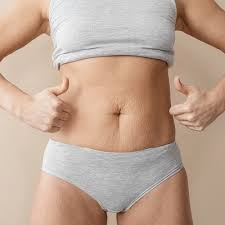
    Postpartum stretch marks typically fade over many months to a year. They start red or purple and gradually turn lighter, often becoming silvery or white. While they may not disappear completely, their appearance significantly softens.

    Understanding Postpartum Stretch Marks

    Stretch marks, medically known as striae gravidarum, are a very normal part of pregnancy for many women. They happen when your skin stretches quickly. Think of it like blowing up a balloon. The skin gets stretched thin. This can break the elastic fibers under your skin.

    When these fibers break, tiny tears form in the dermis. This is the middle layer of your skin. At first, these tears cause inflammation. This is why stretch marks often appear red, purple, pink, or brown. The color depends on your skin tone.

    As your body heals over time, these tears begin to mend. But the skin in that area doesn’t always go back to exactly how it was. The underlying structure changes a bit. This leads to the flattened, sometimes slightly indented appearance of a mature stretch mark.

    Why They Appear

    Several things make stretch marks more likely. Genetics plays a big role. If your mother or sisters got them, you might too. The amount of weight gained during pregnancy matters. Rapid weight gain stretches the skin faster. Hormonal changes during pregnancy can also affect your skin’s elasticity.

    Your skin has amazing resilience. It can stretch a lot. But there’s a limit. When that limit is pushed too fast, the fibers can snap. This is the main reason they show up. It’s not about weakness or not caring for your skin. It’s a physical response to rapid expansion.

    The Color Change Over Time

    That vibrant red or purple hue doesn’t last forever. It’s like a bruise healing. The initial inflammation goes down. The broken fibers start to heal. As they do, the blood vessels that made them look red or purple become less prominent.

    This change can take weeks or months. You might notice them start to look more pink or a lighter shade of red. Then, they often transition to a lighter color than the surrounding skin. Many end up a pale, silvery, or white color. They might also lose some of their initial texture.

    My Own Stretch Mark Journey

    I remember looking in the mirror a few weeks after my second baby was born. My belly felt so different. And there they were, a map of my pregnancy. Mostly on my lower belly and hips. At first, they were a deep, angry red-purple. I’ll admit, I felt a pang of sadness.

    I’d read they were normal. I knew logically it was part of the process. But seeing them felt… like a permanent reminder of the changes. I’d spent so much time trying to prepare my body for pregnancy. I ate well, took prenatal vitamins, and moisturized religiously. Yet, there they were.

    I felt a bit defeated. I worried they’d always be so noticeable. My partner was great. He said they were beautiful, a sign of what I’d done. But that’s hard to believe when you’re feeling vulnerable.

    What I learned was patience. I didn’t do any special treatments at first. I was too tired! I just let my body recover. Slowly, over months, I noticed the color changing. The bright red faded to a softer pink, then a lighter shade. They didn’t vanish. But they became much less obvious. They blended in more. It felt like my body was embracing the new landscape. It wasn’t a quick fix, but a slow, natural fade.

    What Causes Stretch Marks?

    Rapid Skin Stretching: This is the main trigger. Pregnancy, fast weight gain, or growth spurts stretch the skin beyond its elastic limit.

    Collagen and Elastin Damage: The middle layer of skin (dermis) tears. This affects collagen and elastin, which keep skin firm and stretchy.

    Hormonal Influences: Hormones like cortisol can weaken skin fibers, making them more prone to tearing.

    The Natural Fading Process

    The good news is that your body is incredibly capable of healing. The fading of stretch marks is a natural process. It doesn’t happen overnight, but with time, they become less prominent.

    What Happens Underneath

    Think of the initial stretch mark as a wound. Your body sends in repair crews. Collagen is a protein that gives skin its structure. Elastin allows skin to stretch and snap back. When these are damaged, your body works to rebuild them.

    This rebuilding process takes time. The new collagen and elastin fibers are often laid down differently than before. This is why stretch marks might have a different texture. They might be slightly thinner or have a different feel than the surrounding skin.

    Timeline of Change

    Most women notice changes within six months postpartum. The most dramatic color fading happens in the first year. However, some subtle changes can continue for longer.
    First Few Months: Marks are often still red, pink, or purple. They might be slightly raised or itchy.
    6-12 Months: The color starts to lighten significantly. They become less inflamed and flatter. Silvery or white hues start to appear.
    1 Year and Beyond: The marks are usually much lighter. They often blend in with your skin tone. They are typically flat and less noticeable.

    It’s important to remember that this timeline is general. Every woman’s body heals differently. Some stretch marks fade more than others. Some might remain a bit more visible.

    Factors Influencing Fade Rate

    While time is the biggest healer, some things can influence how quickly and how much your stretch marks fade.

    Skin Type and Tone

    People with lighter skin tones often see their red or purple stretch marks fade to a silvery-white. Those with darker skin tones might find their stretch marks fade to a lighter shade of their natural skin color, or they might remain slightly hyperpigmented (darker than surrounding skin). Sometimes, they can fade to a lighter tone (hypopigmented).

    Genetics

    As mentioned before, your genes play a role. If your family members had stretch marks that faded very little, yours might follow a similar pattern. Conversely, if they faded significantly, you might experience the same.

    Severity and Depth

    The initial depth and width of the stretch marks can affect how much they fade. Deeper, wider marks might always be a bit more visible than thinner, shallower ones.

    Stretch Mark Stages

    Stage 1: Striae Rubra

    • Red, pink, or purple color
    • Slightly raised and itchy
    • Inflammation present

    Stage 2: Striae Alba

    • Color fades to lighter hues
    • Silvery or white appearance
    • Flatter texture
    • Less noticeable

    Supporting the Fade: What You Can Do

    While you can’t make stretch marks disappear completely, you can support your skin’s natural healing process. The focus here is on skin health and encouraging that fade.

    Moisturize, Moisturize, Moisturize!

    Keeping your skin hydrated is key. Well-hydrated skin is more supple. This can help it feel more comfortable as it heals. It also makes the texture of the stretch marks less obvious.
    When to Apply: Apply moisturizer daily, especially after bathing. Warm water can dry out skin, so moisturizing right after is crucial.
    What to Use: Look for rich, creamy moisturizers. Ingredients like hyaluronic acid, ceramides, and shea butter are great. While no cream can “erase” stretch marks, they improve skin texture.
    Gentle Massage: When you apply moisturizer, gently massage the area. This can boost circulation. Better blood flow might help skin repair.

    Gentle Exfoliation

    Exfoliating can help remove dead skin cells. This can make your skin look brighter and feel smoother. This can, in turn, make stretch marks appear less noticeable.
    How Often: Do this only once or twice a week. Over-exfoliating can irritate your skin.
    What to Use: Use a gentle physical exfoliant like a soft brush or a mild scrub. Chemical exfoliants (like AHAs) are also an option, but use them cautiously, especially on sensitive postpartum skin.

    Quick Skin Health Tips

    • Hydration: Drink plenty of water each day.
    • Nutrition: Eat a balanced diet rich in vitamins C and E. These help with skin repair.
    • Sun Protection: Sun can make marks more visible. Use sunscreen on exposed areas.

    Consider Professional Treatments (with caution)

    For those who are looking for more significant improvement, there are professional options. These are best discussed with a dermatologist. They can offer advice tailored to your skin.
    Topical Retinoids: Prescription creams like tretinoin can help rebuild collagen. However, they are NOT recommended during pregnancy or breastfeeding. Always consult your doctor.
    Laser Treatments: Certain lasers can improve the appearance of stretch marks. They can help with color and texture. Vascular lasers are often used for red marks, and fractional lasers for texture.
    Microneedling: This procedure creates tiny punctures in the skin. This stimulates collagen production. It can help flatten and improve the texture of stretch marks.
    Chemical Peels: These can help to remove the top layers of skin. This can reveal smoother skin underneath. Deeper peels are more effective but require more downtime.

    Remember that these treatments often require multiple sessions. They can also be expensive. It’s essential to have realistic expectations. They aim to improve appearance, not erase marks entirely.

    When to Seek Professional Advice

    Most stretch marks are purely cosmetic. But there are times when seeing a doctor is a good idea.

    Concerning Symptoms

    If your stretch marks are very painful, inflamed, or showing signs of infection (redness spreading, warmth, pus), see your doctor. This is rare but important to check.

    Also, if you notice sudden, widespread stretch marks appearing without a clear cause like pregnancy or weight gain, it’s worth mentioning to your doctor. In very rare cases, they can be a symptom of an underlying medical condition like Cushing’s syndrome.

    Discussing Treatments

    A dermatologist can help you understand the best treatment options for your specific situation. They can also explain the risks, benefits, and costs involved. They can also advise on safe treatments if you are still breastfeeding.

    Real-World Context: Life After Baby

    It’s easy to get caught up in wanting your body to bounce back perfectly after childbirth. But the reality of postpartum is often much messier and more beautiful than that. Your body has done something incredible. It housed and nurtured a baby.

    Stretch marks are a visible testament to that. They are a sign of strength and resilience. Many women learn to embrace them. They become part of your unique story. It’s about accepting your body for all it has been through.

    I often tell friends that my stretch marks are like tiny reminders of my babies’ beginnings. They are part of my motherhood journey. While I appreciate them fading, I don’t feel less beautiful because of them.

    Normal vs. Concerning Appearance

    Let’s be clear: Red, purple, pink, or even white and silvery lines on your belly, breasts, hips, or thighs after pregnancy are almost always normal. They are common.

    What would be concerning?
    Sudden Appearance: If you notice stretch marks appearing very quickly and all over your body, and you haven’t been pregnant or experienced rapid weight changes.
    Severe Pain or Itching: While some itching is normal as they heal, intense, persistent pain is not.
    Signs of Infection: Increased redness, warmth, swelling, or discharge.

    What This Means For You

    • Expect Fading: Understand that natural fading is the primary process.
    • Be Patient: It takes many months, even a year or more.
    • Gentle Care: Focus on skin hydration and overall health.
    • Realistic Goals: Treatments can improve appearance, but perfection isn’t guaranteed.
    • Body Acceptance: Your worth isn’t tied to perfect skin.

    Quick Tips for Smoother Skin

    Here are a few simple things you can do right now. They are easy to add to your busy postpartum routine.
    Hydrate from Within: Drink water throughout the day. This helps your skin stay plump and healthy.
    Nourish Your Body: Eat foods rich in vitamins A, C, and E, and zinc. These help with skin repair and collagen production. Think fruits, vegetables, nuts, and seeds.
    Gentle Massage: When you apply lotion, spend a few extra minutes massaging the areas with stretch marks. This can help boost circulation to the area.
    Wear Comfortable Clothes: Avoid tight clothing that might irritate your skin. Loose, soft fabrics are best.

    Frequently Asked Questions About Postpartum Stretch Marks

    How long does it take for postpartum stretch marks to fade completely?

    Stretch marks typically fade significantly over 6-12 months. They often become silvery or white and less noticeable. However, they may not disappear entirely.

    Complete disappearance is rare.

    Can I get rid of my postpartum stretch marks?

    You cannot get rid of them completely. However, their appearance can be greatly improved. Natural fading is the main way they become less visible.

    Professional treatments can also help reduce their noticeability.

    Why are my postpartum stretch marks still red after a year?

    Sometimes, stretch marks can take longer to fade. Genetics, skin type, and the depth of the marks play a role. If they are persistently red and inflamed, it’s worth discussing with a doctor or dermatologist to rule out other issues.

    What is the best cream for fading stretch marks?

    No cream can guarantee fading. However, rich moisturizers with ingredients like hyaluronic acid, shea butter, and ceramides can improve skin texture and hydration. This makes marks appear less obvious.

    Retinoid creams can help but are not safe while breastfeeding.

    Will my stretch marks get worse if I gain more weight?

    If you gain more weight, new stretch marks could appear. Existing ones might also become more pronounced. However, gradual, healthy weight management is different from rapid stretching.

    Are stretch marks a sign of a problem?

    For most people, postpartum stretch marks are a normal part of pregnancy and a sign of healthy skin stretching. They are typically not a sign of a health problem. If you have concerns about their sudden appearance or other symptoms, consult your doctor.

    Final Thoughts on Your Skin’s Journey

    Your body has undergone a huge transformation. Stretch marks are a part of that story for many. They are a natural consequence of expansion. While they often fade beautifully over time, remember that patience is key. Focus on nourishing your body and being kind to yourself. Your skin is resilient, and it’s telling a story of life.

  • C Section Scar Care

    C Section Scar Care

    C-section scar care involves gentle cleaning, keeping the area dry, protecting it from irritation, managing pain with recommended methods, and observing for signs of infection or poor healing. Patience and consistent, gentle care are key to helping the scar fade and become less noticeable over time.

    Understanding Your C-Section Scar

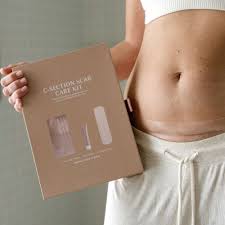
    A C-section scar is a permanent mark left after a Cesarean birth. It’s a testament to the incredible journey your body has taken. This scar is typically a horizontal cut made just above your bikini line.

    Sometimes, it can be a vertical cut. The type of incision often depends on the medical situation during birth.

    The scar itself goes through several healing stages. Right after surgery, it’s a fresh wound. It will likely be red and may feel tender or slightly raised.

    Over time, it should start to flatten and become lighter in color. This process can take months, even up to a year or more, to fully mature.

    Knowing what to expect helps a lot. Doctors and nurses will give you initial instructions. But what happens after you go home?

    That’s where a good understanding of your scar comes in. We’ll cover how to care for it daily. We’ll also look at what might be normal and what needs a doctor’s attention.

    My Own Scar Story: A Little Fuzz and a Lot of Worry

    I remember my own C-section scar quite vividly. After the birth of my second child, the initial days were a blur of sleepless nights and newborn cuddles. But then came the first shower.

    Standing there, looking down, I saw this bright red line stitched across my belly. It felt… alien. And honestly, a little scary.

    I kept wondering, “Will this ever go away?”

    I’d gently touch it, feeling the stitches still present. There was a weird fuzziness around it from the medical tape. I felt a knot of anxiety tighten in my stomach.

    Was it healing right? Was it too red? Would it itch like crazy?

    The fear of infection was also a big worry. I just wanted it to be okay, to be a quiet reminder of a miracle, not a source of constant concern. That feeling of not knowing if you’re doing enough is tough.

    The Science Behind Scar Healing

    Your body is amazing at healing itself. When you have a C-section, the skin, muscle, and other tissues are cut. Your body immediately starts repairing this damage.

    It sends cells to close the wound. This process creates new collagen fibers. These fibers help to knit the tissues back together.

    However, this repair process isn’t always perfect. The way the collagen is laid down can affect how the scar looks. Sometimes, the body makes too much collagen.

    This can lead to a raised scar, like a keloid or hypertrophic scar. Other times, the healing is good but the scar can still be sensitive for a while.

    Understanding these basic steps helps explain why a scar might look or feel a certain way. It’s a biological process. Your unique body will heal in its own way.

    Factors like genetics, skin type, and how the incision was closed can all play a part in the final appearance and feel of your scar.

    Daily Care Checklist for Your C-Section Scar

    Cleanliness is Key: Gently wash the scar area daily. Use mild, unscented soap and warm water. Pat it dry with a clean towel.

    Avoid rubbing.

    Keep it Dry: Moisture can sometimes slow healing. Make sure the scar is completely dry after washing.

    Gentle Protection: Wear loose, soft clothing. Avoid tight waistbands that rub on the scar.

    Hydration Helps: Once the initial stitches are out and your doctor says it’s okay, consider using a gentle moisturizer.

    Sun Protection: Keep the scar out of direct sunlight. Sun can make it darker and more noticeable.

    When to Wash and How to Dry

    Washing your C-section scar is really important for preventing infection. It might seem simple, but there’s a right way to do it. After your doctor removes any stitches or staples, you can usually start gentle washing.

    Always ask your doctor or nurse for specific timing, as it can vary.

    Use plain, unscented soap. Many perfumed soaps can irritate sensitive healing skin. Warm water is best – not too hot, not too cold.

    Lather the soap gently in your hands. Then, carefully wash over the scar. Don’t scrub or use a washcloth directly on the scar line.

    Think of it as a gentle rinse.

    After washing, drying is just as crucial. Never rub the scar with a towel. This can reopen tiny cracks or irritate the healing tissue.

    Instead, use a clean, soft towel to gently pat the area dry. You can even let it air dry for a few minutes if you have the time. Make sure the skin folds around the scar are also dry.

    Clothing Choices: What to Wear and What to Avoid

    Your wardrobe choices can make a big difference in how your C-section scar feels. Tight clothes are your scar’s enemy, especially in the early weeks. Jeans with a high waistband can press directly on the incision.

    This pressure can cause discomfort, pain, and even reopen the wound. It can also lead to a raised, thicker scar over time.

    Instead, opt for comfort. Think soft fabrics and loose fits. High-waisted maternity pants that come up over your belly are often a good choice.

    If you don’t have those, try sweatpants or leggings that sit below your belly or have a very soft, wide waistband. Loose dresses and skirts are also great options.

    Cotton underwear that sits low is usually comfortable. Avoid anything with lace or rough seams that might rub. Even your pajamas should be loose.

    The goal is to minimize any friction or pressure on the scar. This gentle approach supports better healing and can prevent irritation that might prolong discomfort.

    Scar Appearance: What’s Normal and What’s Not

    Normal:

    • Slight redness for the first few weeks.
    • A raised or slightly lumpy feel.
    • Mild itching as it heals.
    • Stitches or staples gradually dissolving or being removed.

    Concerning Signs (Contact Your Doctor):

    • Bright red, hot, or swollen scar.
    • Pus or foul-smelling discharge.
    • Increasing pain that doesn’t get better with rest.
    • Fever or chills.
    • The scar opening up.

    Managing Discomfort and Itching

    It’s very common for a C-section scar to be itchy or sore. As your skin heals, nerve endings are regenerating. This can cause a tingling or itching sensation.

    Sometimes, the dryness of the healing skin contributes to itching. It’s important not to scratch, as this can damage the healing tissue and increase the risk of infection.

    If itching is bothering you, try a cool compress. A clean cloth soaked in cool water and gently placed on the scar can provide relief. Make sure the cloth is soft.

    Your doctor might also suggest a mild, unscented moisturizer. Apply it gently. Always check with your doctor before applying anything to a healing wound.

    For discomfort or pain, follow your doctor’s advice. They will likely recommend pain relief medication. Over-the-counter options like ibuprofen or acetaminophen might be suggested.

    For more severe pain, prescription medication may be necessary. Gentle movement and avoiding strenuous activity also help reduce pain. Listen to your body – rest is crucial.

    Moisturizing and Scar Products

    Once your stitches are out and your wound is closed, you might wonder about using products to help your scar heal and fade. Moisturizing is key. Dry skin can be uncomfortable and might make the scar more prominent.

    Using a gentle, fragrance-free lotion or cream can keep the skin soft and supple.

    Some people find success with silicone sheets or gels. These are often recommended by dermatologists. Silicone is thought to help hydrate the scar and flatten raised tissue.

    It works by creating a barrier on the skin. Always follow the product instructions carefully. And again, it’s best to get your doctor’s okay before starting any new scar treatment.

    Other products contain ingredients like onion extract or vitamin E. The evidence for these is mixed. What works for one person might not work for another.

    It’s often a matter of trial and error. The most important thing is to be gentle. Anything you apply should be done with light pressure.

    Myths vs. Realities of Scar Healing

    Myth: You must keep a C-section scar completely dry and covered at all times.

    Reality: Once the wound is closed and stitches are out, gentle washing and allowing the area to breathe are important. Keeping it dry after washing is key, but it doesn’t need to be perpetually covered.

    Myth: Scars only need care for the first few weeks.

    Reality: Scar tissue continues to mature for a year or more. Gentle care, moisturizing, and sun protection can help improve its appearance long-term.

    Myth: All C-section scars look the same.

    Reality: Scars vary greatly due to genetics, surgeon technique, and individual healing. Some are barely visible, while others are raised or wider.

    Protecting Your Scar from the Sun

    Sun exposure is one of the biggest factors that can make a C-section scar more noticeable. Fresh scar tissue is very sensitive to UV rays. If exposed, it can become hyperpigmented.

    This means the scar can turn a darker brown or purple color. This darkening can be permanent and make the scar much more obvious.

    The best way to protect your scar is to cover it up. Wear clothing that completely covers the scar when you go outside. High-waisted pants or skirts are great for this.

    If you can’t cover it completely, use a strong sunscreen with a high SPF (30 or higher). Apply it generously to the scar area about 15–20 minutes before going out.

    Reapply sunscreen every two hours, or more often if you’re sweating or swimming. Be diligent about this, especially during the first year after your C-section. Even on cloudy days, UV rays can penetrate.

    So, sun protection is important year-round if your scar is exposed. A wide-brimmed hat can also help shield your abdomen.

    When to Seek Medical Advice

    While most C-section scars heal without major problems, it’s essential to know when to call your doctor. As mentioned, signs of infection are a top priority. This includes increased redness, warmth, swelling, pus, or a fever.

    If you notice any of these, contact your healthcare provider right away.

    Another reason to seek advice is if the scar is unusually painful. A dull ache is normal, but sharp or worsening pain is not. If the scar seems to be opening up, even slightly, that also needs immediate medical attention.

    Sometimes, a scar can become very thick or raised (hypertrophic scar or keloid). If this happens, your doctor can discuss treatment options.

    Don’t hesitate to ask questions. Your doctor and nurses are there to help. If you’re worried about how your scar is healing, or if it feels different than you expected, a quick call or visit can give you peace of mind.

    Early intervention can often prevent minor issues from becoming bigger problems.

    Quick Checks for Your Scar

    Visual Check: Look at your scar daily. Is it getting redder? More swollen?

    Or is it starting to fade?

    Touch Check: Gently feel the scar. Is it tender? Hot to the touch?

    Or just feeling like normal skin?

    Drainage Check: Look for any discharge from the scar. Is it clear, or is it colored and smelly?

    Comfort Check: How does it feel? Is the pain getting better or worse? Is it itching uncontrollably?

    Long-Term Scar Management

    C-section scar care doesn’t stop after the initial healing phase. For many months, and even years, your scar will continue to mature. This means it will likely change in color and texture.

    It will probably become less red and less raised. It may also become less sensitive over time.

    Continuing to moisturize the scar area can help keep the skin healthy. Sun protection remains important. If you plan to get a tattoo over your scar, wait at least a year, and discuss it with both your doctor and the tattoo artist.

    They can advise on the best timing and techniques.

    Some people explore scar massage. Once the incision is fully healed and your doctor approves, gentle massage can help break down scar tissue. This might make the scar softer and less noticeable.

    You can use your fingers to gently massage around and over the scar in a circular motion. This is another area where consulting your doctor is wise.

    The Role of Diet and Hydration

    What you eat and drink can also play a part in your body’s healing process. A balanced diet provides the nutrients your body needs to repair itself. Protein is essential for building new tissue.

    Vitamins like C and A are important for skin health and collagen production. Make sure you’re getting enough fruits, vegetables, and lean protein.

    Staying hydrated is equally important. Water is crucial for all bodily functions, including wound healing. Dehydration can make your skin dry and less elastic.

    This can potentially slow down the healing process. Aim to drink plenty of water throughout the day. Your healthcare provider can give you specific recommendations on fluid intake, especially if you are breastfeeding.

    While diet won’t magically make a scar disappear, supporting your body’s overall health gives it the best chance to heal effectively. A nourished body is a well-functioning body, and that includes its ability to mend skin and tissues after surgery. Focus on whole foods and consistent hydration.

    When is it Okay to Try Scar Products?

    • Stitches/Staples Removed: This is the first big step.
    • Wound is Closed: No open areas or scabs.
    • No Signs of Infection: No redness, swelling, heat, or discharge.
    • Doctor’s Approval: Always the safest bet. Your doctor knows your specific healing progress.

    Can Scarring Affect Future Pregnancies?

    This is a common concern for many women who have had a C-section. The scar is on your uterus and your abdominal wall. While it generally heals well and doesn’t cause issues for subsequent pregnancies, it’s something your doctor will monitor.

    Doctors will often check the uterine scar during future prenatal appointments or ultrasounds. They want to ensure it is strong and healthy. If you plan to have more children, your doctor will discuss the risks and benefits of a vaginal birth after C-section (VBAC) versus scheduling another C-section.

    The health of your uterine scar is a key factor in this decision.

    The external abdominal scar itself usually doesn’t pose a problem for future pregnancies. However, the internal uterine scar needs careful consideration by your medical team. It’s always best to have open conversations with your obstetrician about your birth plans and the health of your previous surgical sites.

    Emotional Aspects of Scar Healing

    It’s not just about the physical healing. For many, a C-section scar brings a range of emotions. Some women feel proud of their scar, seeing it as a badge of honor for bringing a child into the world.

    Others may feel a sense of grief or disappointment if they had planned for a vaginal birth. Some might feel self-conscious about its appearance.

    These feelings are all valid. Your body went through a major surgery. It’s okay to acknowledge the emotional impact.

    Talking about these feelings with your partner, friends, or a support group can be incredibly helpful. A therapist or counselor specializing in postpartum mental health can also offer support.

    Remember that your scar is just one small part of your story. It doesn’t define you as a mother or as a woman. Be kind to yourself.

    Allow yourself time to heal, both physically and emotionally. Focusing on what your body can do, rather than just how it looks, can be a powerful shift in perspective.

    Summary of Best Practices for C-Section Scar Care

    C-section scar care is a marathon, not a sprint. It requires patience and consistent, gentle attention. The core principles remain the same throughout the healing process.

    Firstly, cleanliness is paramount. Gently washing the area daily with mild soap and water, and then patting it completely dry, helps prevent infection.

    Secondly, comfort and protection are vital. Wearing loose, soft clothing avoids irritation and pressure that can hinder healing or worsen the scar’s appearance. Protecting the scar from the sun with clothing or sunscreen is crucial for preventing long-term discoloration.

    Thirdly, moisturizing, once approved by your doctor, can keep the skin supple and reduce itching. Various scar treatments, like silicone products, may also be helpful over time.

    Finally, listening to your body and seeking medical advice when needed is essential. Don’t ignore signs of infection or persistent pain. Your healthcare provider is your best resource for guidance tailored to your individual healing journey.

    By following these simple, yet effective, steps, you can support your body’s natural healing process. This will help your C-section scar become less noticeable and more comfortable over time, allowing you to focus on enjoying your new baby.

    Frequently Asked Questions About C-Section Scar Care

    How long does it take for a C-section scar to heal completely?

    The initial healing takes about 6 to 8 weeks for the deep tissues to mend. However, the scar tissue on the surface continues to mature for 12 to 18 months or even longer. During this time, it will likely become lighter and flatter.

    Can I exercise after a C-section?

    Yes, but you need to be very careful. Start with gentle walking as soon as your doctor says it’s okay. Avoid anything strenuous like heavy lifting or intense abdominal workouts for at least 6 weeks, or until your doctor gives you the green light.

    Always listen to your body.

    What if my scar is very itchy?

    Itching is common as nerves heal. Try not to scratch. You can use a cool compress.

    Your doctor might suggest an unscented, gentle moisturizer. Antihistamines might be an option, but always ask your doctor first. Gently patting the area can sometimes help too.

    Will my C-section scar prevent me from wearing a bikini?

    Many women wear bikinis after a C-section! While the scar is permanent, it’s usually quite low on the abdomen. With time and good care, it often fades enough that most bikini bottoms cover it.

    Sun protection is key to keeping it from becoming too dark.

    What is scar massage and how do I do it?

    Scar massage is a technique used after a wound is fully healed to help break down scar tissue. It can make the scar softer and more flexible. Once your doctor says it’s safe, gently use your fingertips to rub the scar in small circles.

    You can do this with a little bit of lotion or oil. Ask your doctor or a physical therapist for guidance.

    Are there any foods that can help my scar heal better?

    A balanced diet rich in protein, vitamins (especially C and A), and minerals like zinc supports overall wound healing. Foods like lean meats, fish, eggs, dairy, fruits (citrus, berries), vegetables (leafy greens, sweet potatoes), and nuts can be beneficial. Staying hydrated with plenty of water is also very important.

    How do I know if my scar is infected?

    Signs of infection include increased redness around the scar, warmth to the touch, swelling, pus or a foul-smelling discharge from the wound, and fever. If you notice any of these symptoms, contact your doctor immediately. Prompt treatment is important for preventing complications.

    Conclusion: Embracing Your Healing Journey

    Your C-section scar is a unique part of your motherhood story. While it’s a reminder of a significant medical procedure, it doesn’t have to be a source of worry. By following gentle care practices, protecting it from the sun, and listening to your body, you can help it heal well.

    Be patient with yourself and the process. Healing takes time. Celebrate the strength of your body and the new life you’ve brought into the world.

    With proper care, your scar will likely become less prominent and more comfortable, allowing you to embrace your journey with confidence.

  • Postpartum Hair Loss Timeline

    Postpartum Hair Loss Timeline

    Postpartum hair loss, also known as telogen effluvium, is a temporary condition where a woman experiences increased hair shedding a few months after giving birth. This happens due to a drop in hormones that kept hair in the growth phase during pregnancy. It’s a normal part of the postpartum recovery process for many.

    What is Postpartum Hair Loss?

    Postpartum hair loss is a very real thing many new mothers experience. It’s not a sign that something is wrong with you or your baby. Instead, it’s your body adjusting after pregnancy. During pregnancy, your hormone levels are super high. These hormones keep your hair in the growing phase for longer. You might have noticed your hair felt thicker and fuller while you were pregnant. That’s because fewer hairs were falling out than usual.

    Once the baby arrives, your hormone levels drop significantly. This sudden change signals to your body that it’s time for those extra hairs to shed. It’s like your body is catching up. The hairs that stayed longer during pregnancy now enter the resting phase and then fall out. This is called telogen effluvium. It’s a temporary condition, and for most women, it’s a natural part of the postpartum healing process.

    Why Does Postpartum Hair Loss Happen?

    The main culprit behind postpartum hair loss is the dramatic shift in your body’s hormones. Specifically, estrogen levels drop quickly after you give birth. During pregnancy, high estrogen levels prolong the anagen, or growth, phase of your hair follicles. This means that fewer hairs enter the telogen, or resting, phase, leading to that thicker, fuller hair many women enjoy during pregnancy.

    Think of it this way: your hair cycle was put on hold during pregnancy. After delivery, your body’s hormones return to their pre-pregnancy levels. This hormone drop essentially tells all the hairs that were in the prolonged growth phase to now enter the resting and shedding phase. So, you’re not losing more hair than usual in total; you’re just shedding the hair that you would have normally shed over the past nine months, all at once.

    Other factors can also play a role. The physical and emotional stress of childbirth and caring for a newborn can also contribute. Lack of sleep, changes in diet, and even potential nutritional deficiencies (like iron or vitamin D) can put extra strain on your body and hair. Your body has been through a lot, and hair shedding is often one of its ways of showing it.

    The Postpartum Hair Loss Timeline: What to Expect

    It’s crucial to remember that everyone’s experience is unique. However, there’s a general timeline most women follow. This pattern can help you know what’s coming and prepare yourself.

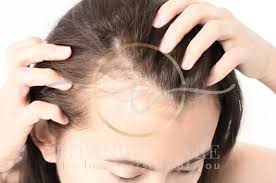
    The shedding usually doesn’t start right after birth. It typically begins around 2 to 5 months postpartum. This might seem like a long time, but your body needs a little while to adjust its hormone levels. That beautiful, thick hair you had during pregnancy might start to feel a bit thinner around the crown or temples first.

    The shedding can be quite noticeable. You might find hair in your shower drain, on your pillow, or clinging to your clothes. It’s common to feel alarmed by the amount of hair that seems to be falling out. This phase can last for several months. For some women, it might be 3 to 6 months of increased shedding. For others, it could extend a bit longer.

    After the peak shedding period, your hair will gradually start to return to its normal growth cycle. You’ll begin to see new baby hairs starting to grow. These are often shorter and can be a little fuzzy at first. It takes time for these new hairs to catch up in length to the rest of your hair. Full recovery can take anywhere from 6 months to a year, or even longer for some. Patience is key during this phase.

    Typical Postpartum Hair Loss Stages

    Stage 1: Pregnancy Glow (Months 1-9)

    Hormones keep hair in growth phase. You enjoy thicker, fuller hair. Shedding is minimal.

    Stage 2: The Drop (Post-Birth)

    Hormone levels fall rapidly. Your body starts to rebalance.

    Stage 3: Shedding Begins (2-5 Months Postpartum)

    Hairs that stayed longer now shed. Increased hair fall is noticeable. This is telogen effluvium.

    Stage 4: Peak Shedding (Several Months)

    Hair loss can feel significant. It may last 3-6 months or more.

    Stage 5: Regrowth (6-12+ Months Postpartum)

    Shedding slows. New baby hairs start to appear. Hair density gradually returns.

    My Own Experience with Postpartum Hair Loss

    I remember it so clearly. I had what felt like the best hair of my life during my second pregnancy. It was thick, shiny, and hardly shed at all. I was beaming! Then, around the four-month mark after my son was born, it started. I’d run my hands through my hair, and a clump would come out. My hairbrush looked like a small animal had nested in it.

    My shower drain became my nemesis. Every time I washed my hair, I felt a pang of dread. I’d find long strands all over my clothes, my toddler’s toys, and even in my baby’s bassinet. It was embarrassing and frankly, made me feel less like myself. I started to avoid tying my hair up because I felt like I was just showing off the thinning spots. I remember one morning, I was getting ready for an online work meeting, and as I brushed my hair, I actually cried a little. It felt like another thing I couldn’t control in this whirlwind of new motherhood. I had so many questions: Was this normal? Would it ever stop? Would I be stuck with thin hair forever? It was a really anxious time. I felt like my body was betraying me, on top of everything else.

    Understanding the Hormonal Shift

    Let’s dive a little deeper into the hormones. During pregnancy, your body produces significantly more estrogen. Estrogen is a key player in hair growth. It helps to extend the anagen phase, which is the active growth period for your hair follicles. This means your hair grows longer and stronger, and fewer hairs are in the resting (telogen) phase. This is why you might have noticed your hair felt thicker and fuller throughout your pregnancy.

    After you give birth, your estrogen levels plummet. This sharp decline acts like a signal to your hair follicles. It tells them that the extended growth phase is over. Suddenly, a large number of hairs that were being held in the anagen phase are prompted to enter the telogen, or resting, phase. And then, they shed. This mass shedding is telogen effluvium. It’s a natural biological response to the hormonal shift.

    It’s important to understand that this shedding is not permanent hair loss. You are not losing the follicles themselves. You are simply experiencing a synchronized shedding of hairs that would have fallen out gradually over a longer period. The good news is that once your hormones start to stabilize, your hair follicles will resume their normal growth cycle.

    Common Patterns of Postpartum Hair Loss

    While the overall timeline is consistent, how the hair loss manifests can vary. Most women experience diffuse thinning across their scalp rather than bald spots. This means that your hair might just seem less voluminous all over. However, some women notice thinning more prominently around the hairline, especially at the temples and forehead. These are often called “baby hairs” when they start to grow back.

    The shedding is usually most noticeable when you are washing or brushing your hair. You might see a large amount of hair come out at once. This can be quite alarming, but it’s typically part of the normal process. It’s the cumulative effect of hairs that have reached the end of their extended growth cycle.

    The rate of shedding usually peaks within the first few months after birth. After this peak, the shedding should start to slow down. It might feel like it takes forever, but be patient. Your hair is working to reset itself.

    Spotting the Signs: Where You Might Notice It Most

    • Crown of the Head: Often the first place thinning is noticed.
    • Temples and Forehead: Hairline can recede slightly.
    • Parting: Your part might seem wider.
    • Shower Drain: A significant amount of hair in the drain after washing.
    • Hairbrush: More hair caught in the bristles than usual.

    Factors That Can Influence Your Timeline

    Several things can influence how long your postpartum hair loss lasts and how severe it might be. Your genetics play a role; if your mother or sisters experienced significant hair loss, you might too. The health of your body before, during, and after pregnancy matters.

    If you had nutritional deficiencies before or during pregnancy, your body might be more prone to shedding. Things like anemia (iron deficiency) are common in women and can contribute to hair loss. Stress levels are also a big factor. The physical and emotional stress of childbirth, recovery, and new motherhood can exacerbate hair shedding.

    The type of delivery can also play a role. A more challenging birth or a C-section might put more physical stress on your body, potentially leading to a more pronounced shedding phase. Breastfeeding can also influence hormone levels, though its direct impact on hair loss is debated and varies greatly among individuals. Some women find breastfeeding helps stabilize hormones faster, while others experience continued shedding.

    When to Seek Professional Advice

    While postpartum hair loss is usually temporary, there are times when you should consult a doctor or a dermatologist. If the hair loss is sudden, patchy, or you see bald spots, it might be something other than typical telogen effluvium. These could be signs of other conditions like alopecia areata or thyroid issues.

    If your hair loss persists for more than a year, or if you have other concerning symptoms like extreme fatigue, weight changes, or changes in your menstrual cycle, it’s important to get checked out. Your doctor can rule out any underlying medical conditions and offer personalized advice. They can also check for nutritional deficiencies that might be contributing.

    Remember, it’s always better to be safe than sorry. Don’t hesitate to reach out for professional help if you have any doubts or concerns about your hair loss. Your health and well-being are paramount.

    What Can You Do to Help Your Hair Grow Back?

    While you often have to ride out the shedding phase, there are things you can do to support healthy hair regrowth. Focusing on nutrition is key. Ensure you’re eating a balanced diet rich in vitamins and minerals essential for hair health.

    Consider supplements, but always talk to your doctor first. Iron, Vitamin D, Biotin, and Zinc are often recommended for hair health. However, taking too much of certain vitamins can be harmful. Your doctor can test your levels and recommend appropriate dosages if needed. They might also suggest a good prenatal vitamin that you can continue taking postpartum.

    Gentle hair care practices are also important. Avoid harsh chemical treatments, tight hairstyles that pull on your hair (like tight ponytails or braids), and excessive heat styling. Use a wide-tooth comb to detangle your hair gently, starting from the ends and working your way up. Using sulfate-free shampoos and conditioners can also be beneficial.

    Scalp massage can help improve blood circulation to the hair follicles, which may promote growth. You can do this gently with your fingertips or use a scalp massager. Some people find using gentle hair growth serums or oils helpful, but again, results vary, and it’s good to research ingredients and consult with a professional.

    Tips for Supporting Healthy Hair Regrowth

    • Nutrition: Eat a balanced diet with lean proteins, fruits, vegetables, and whole grains.
    • Supplements: Discuss iron, Vitamin D, Biotin, and Zinc with your doctor.
    • Gentle Care: Avoid heat styling, tight hairstyles, and harsh chemicals.
    • Scalp Massage: Gently massage your scalp to boost circulation.
    • Hydration: Drink plenty of water.
    • Stress Management: Find ways to reduce stress (even short breaks help).

    Managing Stress and Self-Care

    The demands of a newborn are immense, and stress is almost unavoidable. However, chronic stress can negatively impact your hair growth. Finding ways to manage stress, even in small doses, is important. This could mean taking a few minutes each day for deep breathing exercises, listening to calming music, or asking for help from your partner, family, or friends.

    Self-care isn’t selfish; it’s essential for your overall well-being, which directly impacts your physical health, including your hair. Prioritize sleep as much as possible. Even short naps can make a difference. Take a warm bath, read a book for a few minutes, or go for a short walk. Small acts of self-kindness can help reduce stress and promote a sense of calm.

    When you feel calmer and more rested, your body can better focus on healing and regrowth. Remember that this phase is temporary, and you are doing a great job managing the many demands of new motherhood. Be kind to yourself.

    Postpartum Hair Loss vs. Other Types of Hair Loss

    It’s helpful to distinguish postpartum hair loss from other types of hair loss. Telogen effluvium, the common postpartum shedding, is characterized by diffuse thinning all over the scalp. You don’t typically see distinct bald patches. The hair follicles are still active and capable of regrowth.

    Other types of hair loss, such as alopecia areata, involve the immune system attacking hair follicles, leading to patchy hair loss. Female-pattern hair loss (androgenetic alopecia) is a genetic condition that causes gradual thinning, typically more noticeable on the top of the head. If you notice sudden, excessive hair loss, or hair loss in specific patches, it’s important to consult a healthcare professional to get an accurate diagnosis. Postpartum hair loss is a temporary response to hormonal changes, not a sign of a permanent condition.

    Contrast: Postpartum Hair Loss vs. Other Issues

    Postpartum Hair Loss (Telogen Effluvium):

    • Cause: Hormonal shift after childbirth.
    • Pattern: Diffuse thinning all over the scalp.
    • Timeline: Starts 2-5 months postpartum, lasts several months, then regrows.
    • Follicles: Healthy, regrowth expected.

    Other Hair Loss Conditions (e.g., Alopecia Areata):

    • Cause: Autoimmune, genetic, or other medical issues.
    • Pattern: Often patchy, distinct bald spots.
    • Timeline: Can be sudden, chronic, or unpredictable.
    • Follicles: May be damaged or inactive, regrowth can be uncertain.

    When Will My Hair Start to Look Normal Again?

    The question on every new mom’s mind: when will my hair return to normal? As mentioned, the shedding phase usually lasts for a few months. After the peak shedding stops, you’ll begin to see new growth. These new hairs will start to fill in.

    It takes time for these new hairs to grow to the length of your existing hair. You might notice a halo of shorter hairs around your head. This is a good sign of regrowth! This phase can last from six months to a year or even longer. Full density and thickness might take up to 18 months to return for some women.

    Patience is truly your best friend during this period. Focus on supporting your hair’s health and trust that your body will recover. Celebrate the new baby hairs as a sign of progress!

    Can I Prevent Postpartum Hair Loss?

    Unfortunately, you can’t entirely prevent postpartum hair loss because it’s a natural hormonal process. Your body is doing what it needs to do to rebalance itself after pregnancy. However, you can take steps to support your hair health and potentially minimize the severity or duration of the shedding.

    Focusing on a nutrient-rich diet is the most important thing you can do. Ensure you’re getting enough protein, iron, and essential vitamins. Continue taking your prenatal vitamins if recommended by your doctor. Staying hydrated also plays a role in overall health, including hair health.

    Managing stress and getting as much rest as possible will help your body recover. Gentle hair care practices will prevent further breakage and support the strands that are still growing. While you can’t stop it completely, you can help your body navigate this phase more smoothly.

    The Psychological Impact of Postpartum Hair Loss

    It’s important to acknowledge that postpartum hair loss can have a significant psychological impact. Many women feel self-conscious and distressed by the changes in their appearance. This can add to the already challenging emotions that can come with new motherhood, such as the baby blues or postpartum depression.

    Feeling like you’re losing control over your body can be upsetting. It can affect your self-esteem and confidence. If you’re finding the hair loss is causing you significant distress, anxiety, or sadness, please talk to someone. Reach out to your partner, a trusted friend, your doctor, or a mental health professional. There are resources available to support you through this.

    Remember that you are not alone. Many women experience this, and it is a temporary phase. Focusing on self-compassion and seeking support can make a big difference in how you feel during this time.

    Quick Checks for Your Hair Health

    Here are a few simple checks you can do at home to monitor your hair health and see if things are on the right track:
    The Gentle Pull Test: Gently tug on a few strands of hair in different areas of your scalp. If a significant number of hairs come out easily (more than a few), it might indicate continued shedding. This test is more effective when shedding is active.
    Observe New Growth: Look for short, fine hairs along your hairline or throughout your scalp. These are your new baby hairs, a sign of healthy regrowth. They might feel wispy at first.
    Scalp Condition: Check your scalp. Is it dry, itchy, or flaky? A healthy scalp is crucial for healthy hair growth.
    Overall Density: Gently part your hair in different sections. Is the scalp increasingly visible? If the thinning seems to be stabilizing or improving, that’s a good sign.

    These are simple observations, not medical diagnoses. They are meant to give you a general sense of what’s happening with your hair.

    Frequently Asked Questions about Postpartum Hair Loss

    When does postpartum hair loss usually start?

    Postpartum hair loss typically begins about 2 to 5 months after giving birth. This is when hormone levels drop significantly.

    How long does postpartum hair loss typically last?

    The shedding phase can last for several months, often peaking around 3 to 6 months postpartum. Full regrowth can take 6 to 12 months or longer.

    Is it normal to see bald spots with postpartum hair loss?

    No, it’s not typical. Postpartum hair loss usually causes diffuse thinning all over the scalp. Bald spots might indicate another condition.

    Can breastfeeding affect postpartum hair loss?

    Breastfeeding can influence hormone levels, and its effect varies. Some women experience continued shedding while breastfeeding, while others see it stabilize.

    What nutrients are most important for postpartum hair regrowth?

    Key nutrients include iron, protein, Vitamin D, Biotin, and Zinc. A balanced diet is crucial, and supplements may help if you have deficiencies.

    How can I make my hair look thicker while it’s growing back?

    You can use volumizing shampoos and conditioners, try root-lifting sprays, consider strategic haircuts, or use hair fibers designed to make thinning hair look fuller.

    Final Thoughts

    Experiencing postpartum hair loss can be a disconcerting part of new motherhood. It’s a visible reminder of the massive changes your body has undergone. While the increased shedding might feel alarming, remember that it is a normal, temporary condition driven by hormonal shifts. Understanding the timeline, supporting your body with good nutrition and self-care, and being patient with the regrowth process are key. Your hair will likely return to its former glory, or a new normal, in time. You are strong, and your body is resilient.

  • Postpartum Hyperpigmentation Fade

    Postpartum Hyperpigmentation Fade

    Postpartum hyperpigmentation, often seen as dark spots or patches on the skin, is a common skin change after pregnancy. It usually happens due to hormonal shifts affecting melanin production. While it often fades on its own, there are safe ways to help the process and improve skin tone.

    Understanding Postpartum Hyperpigmentation

    First off, let’s understand what’s going on. Your skin is amazing. It changes a lot during pregnancy.

    Hormones are the big drivers here. They tell your skin to make more melanin. Melanin is the pigment that gives your skin its color.

    Sometimes, this happens unevenly.

    This uneven melanin production can lead to darker patches. Think of melasma, also called the “mask of pregnancy.” Or it could be post-inflammatory hyperpigmentation. This happens if you had acne or other skin issues during pregnancy.

    Even small scars can become darker.

    These changes are usually temporary. But they can stick around. And for many, they are a source of worry.

    It’s tough when you’re already dealing with so much. You want to feel like yourself again. And your skin is a big part of that.

    We want to help you feel confident.

    Several factors can influence postpartum hyperpigmentation:

    • Hormonal Fluctuations: The rise and fall of estrogen and progesterone are key. They stimulate melanocytes, the cells that produce melanin.
    • Genetics: If your family members tend to get dark spots easily, you might too.
    • Sun Exposure: The sun is a major trigger. It can make existing dark spots much worse. Protecting your skin is vital.
    • Inflammation: Any skin irritation or injury, like acne or a cut, can lead to post-inflammatory hyperpigmentation.

    The good news is that this is a common concern. Many women experience it. And there are many gentle, effective ways to help your skin heal and regain its even tone.

    We’ll explore these together.

    My Own Experience with Postpartum Skin Changes

    I remember staring in the bathroom mirror a few months after my second baby was born. The exhaustion was a constant companion. But one afternoon, the light caught my forehead.

    It was a dark patch, right above my eyebrows. I’d had a bit of melasma during pregnancy, but this felt different. More pronounced.

    It made me feel… off. Like my body was showing all the wear and tear.

    I felt a pang of frustration. I was finally getting a little sleep. And now this.

    It felt like another thing to fix. I wanted to feel like me again, not just a tired mom. I worried it would be permanent.

    That thought added a layer of anxiety to an already overwhelming time.

    It was tempting to grab the strongest skin lightener I could find. But I was breastfeeding. And my skin felt so sensitive.

    I knew I needed a gentler approach. This push for quick fixes is so common. But it’s often not the best path for our skin, especially postpartum.

    This experience made me dive deep into understanding skin and healing. I learned so much about what our skin needs to recover. And how to support it naturally.

    It took patience. But slowly, surely, my skin started to even out. I want to share what I learned with you.

    So you don’t have to feel so lost.

    Quick Skin Check Guide

    What to Look For:

    • Shape: Are the spots round or irregular?
    • Location: Do they appear on your face, neck, or chest?
    • Color: Are they brown, tan, or grayish?
    • Borders: Are the edges sharp or blurry?

    When to See a Doctor: If you notice any spots that are changing rapidly, have irregular borders, or are concerning in any way, it’s always best to check with a dermatologist.

    Gentle Ways to Fade Dark Spots

    The key word here is gentle. Your body is healing. Your skin is recovering from pregnancy and birth.

    We don’t want to add stress. Instead, we want to nurture it.

    There are many effective methods that are safe for new moms. And they don’t require harsh chemicals. Think of supporting your skin’s natural healing process.

    Making it stronger. Helping it to rebuild.

    We’ll look at natural ingredients. Simple habits. And how to protect your skin.

    These steps work together. They build a strong foundation for healthy, even-toned skin. Remember, consistency is more important than intensity.

    Natural Brightening Ingredients

    Nature offers some wonderful gifts for skin. Many ingredients can help fade dark spots. They work by gently inhibiting melanin production or promoting cell turnover.

    Cell turnover is when your skin sheds old cells and makes new ones.

    • Vitamin C: This antioxidant is a star player. It helps to brighten skin. It also protects against sun damage. Look for serums with stabilized Vitamin C.
    • Niacinamide (Vitamin B3): This is another powerhouse ingredient. It helps to reduce inflammation. And it can improve skin barrier function. It’s known for reducing the appearance of dark spots.
    • Licorice Root Extract: This natural ingredient has compounds that can calm skin. They also help to lighten dark marks.
    • Alpha Arbutin: This is derived from bearberry. It’s a safe and effective skin lightener. It works by slowing down melanin production.
    • Kojic Acid: Found in certain mushrooms. It’s another effective agent for fading dark spots. Use products with lower concentrations to start.

    When using these ingredients, start slowly. Introduce one new product at a time. This helps you see how your skin reacts.

    Patch testing is always a good idea.

    Exfoliation: The Gentle Way

    Exfoliation is crucial. It helps remove the pigmented skin cells. But we need to be careful.

    Harsh scrubs can cause more inflammation. This can worsen dark spots.

    Opt for gentle chemical exfoliants. These are often AHAs (alpha hydroxy acids) or BHAs (beta hydroxy acids). But use them sparingly and at lower concentrations.

    • Lactic Acid: This is a gentle AHA. It helps to hydrate skin while it exfoliates. It’s a good choice for sensitive skin.
    • Mandelic Acid: Another gentle AHA. It’s derived from almonds. It’s great for sensitive or acne-prone skin. It also helps with hyperpigmentation.
    • Enzyme Peels: These use fruit enzymes. Like papaya or pineapple. They are very mild and good for brightening.

    Start by exfoliating once a week. You can slowly increase to twice a week if your skin tolerates it. Always follow up with a good moisturizer.

    And never skip sunscreen the next day.

    It’s important to listen to your skin. If you feel any stinging or burning, stop. Give your skin a break.

    Healing is a process. Not a race.

    Natural Ingredient Spotlight

    Licorice Root: Known for its anti-inflammatory and skin-brightening properties. It contains glabridin, which inhibits tyrosinase, an enzyme needed to produce melanin. This makes it effective at fading dark spots and evening skin tone.

    Sun Protection: Your Skin’s Best Friend

    This is non-negotiable. Seriously. Even on cloudy days.

    Sun exposure is the biggest enemy of fading hyperpigmentation. It can darken existing spots. And it can cause new ones to form.

    Think of it like this: you’re trying to lift the color. The sun is putting more color back.

    What kind of sunscreen? You need one that offers broad-spectrum protection. This means it protects against both UVA and UVB rays.

    UVA rays penetrate deeper. They cause aging and can trigger melanin production. UVB rays cause sunburn.

    Look for sunscreens with an SPF of 30 or higher. Mineral sunscreens are often a good choice. They contain zinc oxide or titanium dioxide.

    These ingredients sit on top of the skin. They physically block the sun’s rays. They tend to be less irritating.

    Key Sun Protection Habits:

    • Apply Generously: Don’t skimp! Most people don’t use enough.
    • Reapply Often: Every two hours. More if you’re sweating or swimming.
    • Seek Shade: Especially between 10 AM and 4 PM.
    • Wear Protective Clothing: Hats, sunglasses, and long sleeves help.
    • Avoid Tanning Beds: They are incredibly harmful.

    Wearing a wide-brimmed hat is a simple yet powerful tool. Especially when you’re out for a walk with the stroller. It shields your face effectively.

    Combining sunscreen with physical barriers offers the best defense.

    It might feel like a hassle at first. But making sunscreen a daily habit is a game-changer. It’s not just for fading spots.

    It’s for overall skin health. And preventing future issues.

    Sunscreen Guide for New Moms

    • SPF 30+ Broad Spectrum
    • Mineral-Based: Zinc Oxide or Titanium Dioxide
    • Apply Every Morning: Even indoors!
    • Reapply Outdoors: Every 2 hours
    • Wear a Hat: For extra protection

    Home Remedies and DIY Care

    Many natural ingredients found in your kitchen can help. These are often very gentle. And they can be a cost-effective way to start.

    But remember, “natural” doesn’t always mean “safe for everyone.” Always patch-test first.

    • Yogurt and Honey Mask: Yogurt contains lactic acid. Honey is a natural humectant and has antibacterial properties. Mix plain yogurt with a little honey. Apply to your face for 15-20 minutes. Rinse with warm water.
    • Papaya Mask: Papaya contains enzymes like papain. These enzymes can gently exfoliate skin. Mash ripe papaya. Apply to your face. Leave for 10-15 minutes. Rinse.
    • Turmeric Paste: Turmeric has anti-inflammatory and antioxidant properties. Mix turmeric powder with milk or yogurt to form a paste. Apply to the affected areas. Leave for 10 minutes. Rinse thoroughly. Be aware that turmeric can temporarily stain the skin yellow.
    • Aloe Vera: Pure aloe vera gel is soothing. It can help with skin regeneration. It’s known for its healing properties. Apply fresh aloe vera gel directly to dark spots. Leave it on.

    When using DIY remedies, focus on consistency. Doing a mask once a week or applying aloe daily can make a difference over time. These are often used as complementary treatments.

    Some resources suggest lemon juice. While lemon juice has citric acid which can lighten skin, it’s also very acidic. It can cause photosensitivity and irritation.

    It’s generally not recommended, especially for sensitive postpartum skin. Stick to milder options.

    DIY Mask Recipe: Gentle Brightening

    Ingredients:

    • 2 tablespoons plain, unsweetened yogurt
    • 1 teaspoon honey
    • Optional: A pinch of turmeric powder (use with caution for staining)

    Instructions:

    1. Mix ingredients well.
    2. Apply a thin layer to clean skin.
    3. Leave on for 15 minutes.
    4. Rinse with lukewarm water.
    5. Follow with moisturizer.
    6. Use once a week.

    Lifestyle Factors That Help

    What you do day-to-day matters. It all adds up. Think about nurturing your body from the inside out.

    Postpartum is a time of great change and stress. Taking care of yourself truly helps your skin.

    Diet and Hydration

    Eating a healthy, balanced diet is vital. Your body is still recovering. Nutrients help repair skin cells.

    Foods rich in antioxidants are great. Think berries, leafy greens, and colorful vegetables. Omega-3 fatty acids, found in fish and flaxseeds, help reduce inflammation.

    Stay well-hydrated. Drinking plenty of water is essential for overall skin health. It keeps your skin plump and elastic.

    It helps flush out toxins. Aim for at least 8 glasses of water a day. Maybe more if you’re breastfeeding.

    Limit processed foods. These often contain unhealthy fats and sugars. They can contribute to inflammation in the body.

    Which can indirectly affect your skin.

    Stress Management

    This is a big one for new parents. Stress can wreak havoc on your skin. It can trigger breakouts.

    And it can worsen hyperpigmentation. Find ways to manage stress, even small ones.

    This could be a few minutes of deep breathing. A short walk outside. Listening to music.

    Or asking for help from your partner or family. Even 10 minutes of quiet time can make a difference.

    Sleep, when you can get it, is also a powerful stress reliever and healer. Prioritize rest as much as possible. This might mean accepting help with chores or night feedings.

    Nourishing Foods for Skin

    • Berries: High in antioxidants.
    • Leafy Greens (Spinach, Kale): Packed with vitamins and minerals.
    • Fatty Fish (Salmon, Mackerel): Rich in Omega-3s.
    • Nuts and Seeds (Walnuts, Flaxseeds): Good sources of healthy fats and Vitamin E.
    • Sweet Potatoes: Contain beta-carotene.

    When to Seek Professional Help

    While many dark spots fade with time and gentle care, sometimes you need more. Don’t hesitate to consult a professional.

    Consulting a Dermatologist

    A dermatologist can accurately diagnose the type of hyperpigmentation you have. They can also rule out other skin conditions. If your spots are very stubborn or concerning, they have stronger treatment options.

    They might suggest:

    • Prescription Creams: Such as hydroquinone (use with caution and under strict medical supervision, especially if breastfeeding).
    • Chemical Peels: Stronger peels that are done in-office.
    • Laser Treatments: These can be very effective but are usually not recommended while breastfeeding.

    It’s important to discuss your breastfeeding status with your doctor. Many treatments are not safe during this period. They can guide you on the best and safest options for you.

    Sometimes, just getting a diagnosis can be a relief. Knowing what you’re dealing with makes it easier to manage. And a dermatologist can offer personalized advice based on your skin type and concerns.

    Doctor Consultation Checklist

    When to book an appointment:

    • Hyperpigmentation is worsening.
    • Spots are changing shape or color.
    • You’re concerned about a specific mark.
    • Home remedies aren’t helping after several months.
    • You want professional advice on safe treatments.

    Realistic Expectations

    It’s important to be patient with yourself and your skin. Postpartum healing is a journey. Fading hyperpigmentation takes time.

    Some spots might disappear completely. Others may fade significantly but not vanish entirely.

    Give your skin at least 3-6 months of consistent, gentle care. You might start seeing improvements sooner. But significant changes often require patience.

    Celebrate small wins along the way.

    Focus on overall skin health. When your skin is well-nourished, protected, and cared for, it looks and feels better. Even if a faint mark remains, healthy skin glows.

    Remember, your body has done an incredible thing. It’s brought a child into the world. Be kind to yourself.

    Your skin is a reflection of that amazing journey.

    Common Questions About Postpartum Hyperpigmentation

    Will postpartum hyperpigmentation go away on its own?

    Often, yes. Many women find that postpartum hyperpigmentation fades gradually over several months to a year after childbirth. This happens as hormone levels return to normal.

    However, some spots may persist longer. Consistent sun protection and gentle skincare can aid this process.

    Is it safe to use skin-lightening creams while breastfeeding?

    This is a critical question. Many common skin-lightening ingredients, like hydroquinone and retinoids, are not recommended during breastfeeding. Always consult your doctor or dermatologist before using any new skincare products.

    They can recommend safe alternatives or advise on when it’s okay to use certain treatments.

    Can I use natural remedies like lemon juice for dark spots?

    While natural, ingredients like lemon juice are very acidic. They can cause skin irritation, redness, and make your skin more sensitive to the sun. This could potentially worsen hyperpigmentation.

    It’s safer to stick with gentler, proven natural ingredients like Vitamin C, licorice root, or yogurt masks.

    How long does it take for dark spots to fade after pregnancy?

    The timeline varies greatly for each person. Some notice fading within a few months. For others, it might take up to a year or more.

    Patience and consistent care are key. Sun protection is the most important factor in preventing them from getting darker and helping them fade.

    Is melasma different from other postpartum hyperpigmentation?

    Melasma is a common type of hyperpigmentation that often appears during pregnancy. It typically shows up as larger, irregular patches on the face, often on the cheeks, forehead, and upper lip. Postpartum hyperpigmentation is a broader term that can include melasma, but also other types of dark spots like post-inflammatory hyperpigmentation.

    What is the best first step to take for new dark spots?

    The very first step should be to ensure you are consistently using a broad-spectrum sunscreen (SPF 30+) every single day. This prevents existing spots from darkening and new ones from forming. After that, introducing a gentle serum with Vitamin C or Niacinamide can also be very effective.

    Final Thoughts on Your Skin Journey

    Navigating postpartum skin changes can feel overwhelming. But you’re not alone. This phase is temporary.

    With gentle care, patience, and the right strategies, you can help your skin heal and regain its radiance. Focus on nurturing yourself, inside and out. Your skin will thank you for it.

  • Postpartum Acne Treatment

    Postpartum Acne Treatment

    It’s completely understandable to feel frustrated by new or returning acne, especially after you’ve just gone through pregnancy. Your body is going through so many changes, and seeing your skin react can add an extra layer of worry. You’re not alone in this.

    Many new moms experience skin issues, and finding a way to manage them gently and effectively is key.

    Postpartum acne is a common skin condition affecting many new mothers. It can be caused by fluctuating hormones after childbirth. Treatment often involves gentle skincare, dietary adjustments, and sometimes medical consultation for persistent cases.

    Understanding Postpartum Acne

    Your skin might be showing you the effects of huge hormonal shifts. During pregnancy, your estrogen levels are high. This often makes your skin look good.

    After delivery, those levels drop fast. Your progesterone also changes. This can make your oil glands more active.

    More oil means more chances for pores to get blocked. This leads to pimples, blackheads, and whiteheads.

    This acne often appears on the face. It can also show up on your neck, chest, or back. The type of acne can vary.

    You might see small red bumps. You might also see deeper, painful cysts. It’s a very real part of postpartum recovery for some.

    It feels unfair when you’re already tired and busy.

    The timing can be tricky. It might show up weeks or even months after giving birth. It’s not just a cosmetic issue.

    For some, it can affect their self-esteem. Feeling good about yourself helps you enjoy this special time. Dealing with acne can make that harder.

    The good news is, there are ways to help your skin heal.

    It’s important to remember that this is usually temporary. Your hormones will eventually settle. Your skin often improves with them.

    Knowing what’s happening can make it feel less scary. It’s a normal bodily response. It’s not a sign you’re doing anything wrong as a new mom.

    The Hormone Rollercoaster: Why Acne Appears

    Hormones are the main players here. Think of them as messengers in your body. During pregnancy, hormones like estrogen and progesterone are high.

    Estrogen can help skin look smoother and less oily. Progesterone can make pores slightly bigger. This might seem counterintuitive, but it can sometimes help prevent blockages.

    Once the baby is born, your hormone levels change drastically. Estrogen and progesterone drop quickly. This can trigger your sebaceous glands to produce more oil.

    Androgens, like testosterone, which are always present, can become more dominant. They signal those oil glands to work overtime. This excess oil, mixed with dead skin cells, can clog pores.

    This hormonal imbalance is the primary driver. It’s similar to teenage acne or acne that flares up during your period. But the postpartum period has its own unique hormonal signature.

    It’s a sudden, significant shift. Your body is adjusting to not being pregnant anymore. This adjustment period can last for several months.

    Sometimes, stress can also play a role. Being a new parent is incredibly stressful. New moms are often sleep-deprived.

    They are recovering from birth. They are learning to care for a new baby. Stress hormones, like cortisol, can also increase oil production.

    This adds fuel to the acne fire. It’s a tough cycle.

    So, the acne isn’t a punishment. It’s a signal. Your body is going through a massive transition.

    Understanding this helps us approach postpartum acne treatment with more patience and self-compassion.

    Hormonal Triggers for Postpartum Acne

    • Estrogen Drop: After birth, estrogen levels decrease significantly.
    • Progesterone Changes: Progesterone levels also fluctuate, impacting skin.
    • Androgen Dominance: With lower estrogen, androgens can become more influential.
    • Stress Hormone (Cortisol): High stress can increase oil production.
    • Thyroid Hormones: Postpartum thyroid changes can sometimes affect skin.

    My Own Postpartum Acne Story

    I remember it so clearly. My daughter was about six weeks old. I was finally starting to feel a tiny bit more human.

    I looked in the mirror one morning and gasped. My forehead was covered in angry red bumps. I’d never had bad acne before.

    A few small pimples here and there, maybe. This was different.

    It felt like my skin was rebelling. I was exhausted. My body felt unfamiliar.

    And now, my face looked like a teenager’s. I felt a wave of annoyance, and honestly, a little bit of shame. Was I not doing something right?

    Was this going to be permanent? I just wanted to feel like myself again.

    I avoided looking too closely in the mirror for a few days. Then, I decided I had to do something. I was hesitant to use harsh products.

    I was breastfeeding. I didn’t want anything to affect my baby. I started researching gentle skincare.

    I swapped my usual cleanser for something milder. I tried to drink more water. I even cut back on sugar, which I craved.

    It didn’t clear up overnight, of course. Nothing does. But slowly, things started to get better.

    It took patience. It took consistent effort. Seeing the small improvements gave me hope.

    It taught me that even during a chaotic time, taking small steps for self-care can make a big difference for your skin and your spirit. That experience really opened my eyes to how many things can impact our skin.

    Gentle Skincare: Your First Line of Defense

    When dealing with postpartum acne, gentleness is key. Harsh scrubbing or strong chemicals can irritate your skin. This can make acne worse.

    It can also be absorbed into your bloodstream, which is a concern when breastfeeding.

    Start with a mild cleanser. Look for ones labeled “gentle,” “for sensitive skin,” or “non-comedogenic.” These are less likely to clog pores. Wash your face twice a day.

    Use lukewarm water. Pat your skin dry with a soft towel. Never rub.

    Moisturizing is still important. Even oily skin needs hydration. Pick an oil-free, non-comedogenic moisturizer.

    This will help keep your skin balanced. A balanced skin barrier is stronger. It’s less prone to irritation and breakouts.

    Exfoliation can help. But do it gently. Use a mild chemical exfoliant with ingredients like salicylic acid.

    This acid is oil-soluble. It can get into pores to help clear them out. Start using it only a few times a week.

    See how your skin reacts. Avoid physical scrubs with rough particles.

    Sunscreen is also vital. Some acne treatments can make your skin more sensitive to the sun. Plus, sun damage can make acne scars darker.

    Use a broad-spectrum SPF of 30 or higher every day. Look for oil-free formulas.

    Keep your hair clean and off your face. Oil from your hair can transfer to your skin. It can clog pores.

    Wash your pillowcases often. They can collect oil and bacteria. Avoid touching your face throughout the day.

    Your hands carry germs and oil.

    Gentle Skincare Checklist

    • Cleanser: Mild, soap-free, pH-balanced.
    • Moisturizer: Oil-free, non-comedogenic, lightweight.
    • Treatment: Salicylic acid (low concentration, used sparingly).
    • Sunscreen: SPF 30+, broad-spectrum, non-comedogenic.
    • Avoid: Harsh scrubs, alcohol-based toners, fragranced products.

    Natural Remedies and Lifestyle Tweaks

    Beyond skincare, lifestyle changes can really help. Your diet plays a role in skin health. While the science isn’t always perfect, many people find improvements by tweaking what they eat.

    Hydration is key. Drink plenty of water. This helps flush toxins.

    It keeps your skin hydrated from the inside out. Aim for at least 8-10 glasses a day. More if you’re breastfeeding.

    Consider your diet. Some find that reducing dairy can help their acne. This is often due to hormones in milk.

    Sugary foods and refined carbohydrates can also cause inflammation. This can worsen acne. Try swapping white bread for whole grains.

    Opt for fruits and vegetables instead of sweets.

    Omega-3 fatty acids are good for skin. They have anti-inflammatory properties. You can find them in fish like salmon and walnuts.

    Seeds like flaxseeds and chia seeds are also good sources.

    Stress management is huge. I know it’s hard with a newborn. But even short breaks can help.

    Try deep breathing exercises for a few minutes. Listen to calm music. If possible, ask your partner or a family member to watch the baby so you can rest or take a short walk.

    Getting enough sleep is critical. This is often the hardest part. But try to sleep when the baby sleeps.

    Even short naps can make a difference. Sleep is when your body repairs itself. This includes your skin.

    Some natural topical treatments might offer relief. Tea tree oil is known for its antibacterial properties. Use it very sparingly.

    Dilute it with a carrier oil like jojoba oil. Apply it directly to pimples with a cotton swab. Be careful; it can be irritating if used too much.

    Aloe vera gel can be soothing. It helps reduce inflammation. It can also help heal the skin.

    Use pure aloe vera gel directly from the plant or a trusted brand.

    Lifestyle Tips for Clearer Skin

    • Hydration: Drink lots of water.
    • Diet: Reduce sugar and refined carbs. Consider limiting dairy.
    • Nutrients: Eat foods rich in Omega-3s (fish, nuts, seeds).
    • Stress: Practice deep breathing, take short breaks.
    • Sleep: Nap when the baby naps; aim for rest.
    • Hygiene: Keep hair off face, change pillowcases often.

    When to Seek Professional Help

    Most postpartum acne can be managed at home. But sometimes, it needs a doctor’s attention. If your acne is severe, painful, or doesn’t improve with home care, it’s time to call a dermatologist or your OB-GYN.

    Severe acne can lead to scarring. Prompt treatment can prevent this. Doctors can offer prescription-strength treatments.

    These might include topical retinoids or antibiotics. They can also discuss other options if needed.

    It’s important to talk to your doctor about any medications you are considering. This is especially true if you are breastfeeding. Some treatments are safe for nursing mothers, while others are not.

    They can help you find the safest and most effective options for your situation.

    Don’t hesitate to reach out. Your doctor is there to help. They understand the unique challenges of postpartum health.

    They can provide expert advice tailored to you. They can also rule out other underlying issues that might be affecting your skin.

    Signs that you should see a doctor include:

    • Acne that is very deep, cystic, or painful.
    • Acne that covers large areas of your body.
    • Acne that leaves scars.
    • Acne that doesn’t improve after several months of home care.
    • Any sudden or unusual skin changes.

    Signs to Consult a Doctor

    • Severity: Deep cysts, widespread redness.
    • Pain: Acne that is tender or painful to touch.
    • Persistence: No improvement after 2-3 months of gentle care.
    • Scarring: If acne is leaving marks or indentations.
    • Breathing Concerns: If you are unsure about safe treatments while nursing.

    Understanding Different Types of Postpartum Acne

    Postpartum acne can show up in a few ways. Knowing what you’re dealing with helps you choose the right approach. It’s not all just pimples.

    Comedonal Acne: This includes blackheads and whiteheads. Blackheads are open pores with oil and dead skin that has oxidized. Whiteheads are closed pores with the same mixture.

    These are often the first signs. They are usually less inflamed.

    Inflammatory Acne: This is what most people think of as acne. These are red, swollen bumps. They can be:

    • Papules: Small, red, tender bumps without a head.
    • Pustules: Papules with pus at their tips, looking like classic pimples.
    • Nodules: Larger, solid, painful lumps deep within the skin.
    • Cysts: Deep, painful, pus-filled lumps below the skin’s surface. These are the most severe. They are most likely to scar.

    Some women experience hormonal acne patterns. This means breakouts appear along the jawline, chin, or neck. This is common after pregnancy due to hormonal shifts.

    It often feels like deeper, sore bumps.

    It’s important to identify your type of acne. This guides your treatment. Gentle cleansing and moisturizing help all types.

    Salicylic acid is great for comedonal acne. For inflammatory acne, you might need stronger treatments. Your doctor can best guide you on this.

    Postpartum Acne and Breastfeeding: Safety First

    This is a major concern for many new moms. You want to treat your skin, but you also want to keep your baby safe. Many skincare ingredients can be absorbed into your body.

    Some can pass into breast milk.

    Generally, most topical treatments are considered safe for breastfeeding mothers. The amount absorbed into the bloodstream is usually very small. Ingredients like benzoyl peroxide (in low concentrations), salicylic acid, and sulfur are typically okay.

    However, there are some things to be cautious about. Oral antibiotics or isotretinoin (Accutane) are usually not recommended during breastfeeding. Topical retinoids like tretinoin are often avoided too, though some doctors might consider very low doses for limited areas.

    Always discuss any new treatment with your doctor or dermatologist. Tell them you are breastfeeding. They can help you choose products that are effective for your acne and safe for your baby.

    It’s better to be safe than sorry.

    Read labels carefully. Avoid products with harsh chemicals. Look for fragrance-free and dye-free options.

    Simple is often better when you’re unsure.

    Safe Skincare While Breastfeeding

    • Generally Safe Topicals:
    • Mild cleansers
    • Oil-free moisturizers
    • Benzoyl peroxide (2.5%-5%)
    • Salicylic acid (1%-2%)
    • Azelaic acid
    • Sulfur treatments
    • Consult Doctor About:
    • Stronger prescription topicals
    • Oral medications (antibiotics, etc.)
    • Oral retinoids (isotretinoin)

    Dealing with Postpartum Acne Scars

    Sometimes, even after the acne clears, it leaves marks. Postpartum acne can lead to different types of scars. These can include:

    Post-inflammatory hyperpigmentation (PIH): These are dark spots that appear after a pimple heals. They are not true scars, but marks left by inflammation. They usually fade over time but can take months.

    Atrophic scars: These are indented scars. They form when there isn’t enough collagen produced during healing. They can look like small pits or depressions in the skin.

    The most common types are ice pick, boxcar, and rolling scars.

    Hypertrophic scars: These are raised scars. They form when the body produces too much collagen during healing. These are less common with acne.

    Prevention is the best approach. Treating acne early and effectively helps prevent scarring. Avoid picking or squeezing pimples.

    This can push bacteria deeper into the skin. It increases inflammation and the risk of scarring.

    For PIH, gentle exfoliation can help. Vitamin C serums can brighten skin. And consistent sunscreen use is crucial.

    Sun exposure can make dark spots much worse.

    For atrophic scars, treatments are more involved. Over-the-counter options might include alpha hydroxy acids (AHAs) like glycolic acid. These can help with mild surface scarring.

    Prescription treatments or professional procedures are often needed for deeper scars.

    These might include:

    • Microneedling: Creates tiny injuries to stimulate collagen.
    • Chemical Peels: Remove outer skin layers.
    • Laser Treatments: Target scar tissue and promote collagen.
    • Dermal Fillers: Temporarily fill indented scars.

    It’s important to wait until your acne is under control before pursuing scar treatments. Discuss options with a dermatologist. They can assess your scars and recommend the best course of action.

    Building a Sustainable Skincare Routine

    Creating a skincare routine that works long-term is important. It’s not just about fixing the current problem. It’s about maintaining healthy skin.

    For new moms, this routine needs to be simple and efficient.

    Morning Routine:

    1. Cleanse: Use a gentle cleanser.
    2. Treat (Optional): Apply a lightweight serum like Vitamin C for brightening.
    3. Moisturize: Use an oil-free, non-comedogenic moisturizer.
    4. Protect: Apply SPF 30 or higher daily.

    Evening Routine:

    1. Cleanse: Wash your face thoroughly. If you wear makeup, double cleanse (use an oil-based cleanser first, then your regular one).
    2. Treat: This is where you might use your acne treatment, like salicylic acid, a few times a week. Or apply a soothing serum.
    3. Moisturize: Use your oil-free moisturizer.

    Weekly Routine:

    • Exfoliate: Once or twice a week with a gentle chemical exfoliant.
    • Mask: A clay mask can help absorb excess oil, but use it only if your skin feels very oily.

    Consistency is key. Even when you’re tired, try to stick to it. Small steps make a big difference over time.

    Don’t expect overnight results. Give your skin at least a month to show changes. Patience and persistence are your best allies.

    Simple Postpartum Skincare Routine

    Morning:

    • Gentle Cleanse
    • Moisturize
    • SPF 30+

    Evening:

    • Cleanse
    • Acne Treatment (2-3x/week) or Soothing Serum
    • Moisturize

    Weekly:

    • Gentle Exfoliation (1-2x/week)

    Common Myths About Postpartum Acne

    There’s a lot of misinformation out there about acne. It’s good to know what’s fact and what’s fiction, especially when you’re looking for reliable postpartum acne treatment advice.

    Myth 1: Postpartum acne means you have a dirty face.

    Reality: Acne is caused by internal factors like hormones and genetics. It’s not about cleanliness. Over-washing or scrubbing can actually make it worse.

    Myth 2: You can’t treat acne while breastfeeding.

    Reality: Many treatments are safe for breastfeeding mothers. Always check with your doctor. But you don’t have to suffer through severe acne without options.

    Myth 3: Acne will go away on its own quickly after hormones balance.

    Reality: While hormones are a major cause, it can take months for skin to fully recover. Sometimes, it requires active treatment and lifestyle adjustments.

    Myth 4: Eating chocolate or greasy foods directly causes acne.

    Reality: While a high-glycemic diet and dairy can influence acne for some, greasy foods don’t directly cause pimples. It’s more about the body’s internal response.

    Myth 5: Picking pimples makes them heal faster.

    Reality: Picking pimples almost always makes them worse. It spreads bacteria, increases inflammation, and raises the risk of scarring.

    Myth 6: All acne is the same.

    Reality: Acne varies greatly in type and severity. What works for one person might not work for another. Understanding your specific acne is important.

    Myth 7: Postpartum acne is a sign you’re not a good mother.

    Reality: This is absolutely false. Your skin’s reaction is biological. It has nothing to do with your parenting skills.

    Be kind to yourself.

    Frequently Asked Questions about Postpartum Acne

    What are the main causes of postpartum acne?

    The primary cause is the significant hormonal fluctuation after childbirth. As estrogen and progesterone levels drop, androgens can become more dominant, increasing oil production and leading to clogged pores and breakouts. Stress and lack of sleep can also contribute.

    How long does postpartum acne typically last?

    It varies greatly. For some, it lasts a few weeks. For others, it can persist for several months, often improving as hormone levels stabilize and postpartum recovery continues.

    Consistent, gentle skincare can help manage it throughout this period.

    Can I use my regular acne products after giving birth?

    It depends on the product. Many over-the-counter treatments with ingredients like salicylic acid or benzoyl peroxide are usually safe. However, it’s best to check with your doctor or dermatologist, especially if you are breastfeeding, as some ingredients can be absorbed into your system.

    Are there any natural remedies for postpartum acne?

    Yes, gentle natural approaches can help. These include a mild skincare routine, staying hydrated, a balanced diet low in sugar and dairy (for some), stress management techniques, and using natural ingredients like diluted tea tree oil or aloe vera with caution. Always patch test new products.

    What should I do if my postpartum acne is severe?

    If your acne is severe, painful, widespread, or not improving with home care after a few months, consult a dermatologist or your OB-GYN. They can offer prescription-strength topical treatments, oral medications (if safe for breastfeeding), or other therapies to manage it effectively and prevent scarring.

    Will postpartum acne leave scars?

    Postpartum acne can lead to scarring, especially if it’s severe or if pimples are picked or squeezed. Post-inflammatory hyperpigmentation (dark spots) is also common. Prompt and proper treatment of active acne, avoiding picking, and using sunscreen can help minimize scarring risk.

    Final Thoughts on Managing Postpartum Skin

    Dealing with postpartum acne can be disheartening. It’s another thing to manage when you’re already juggling so much. Remember, your body has done something amazing.

    It’s going through a huge adjustment. Be patient with yourself and your skin.

    Focus on simple, gentle care. Hydration and a balanced diet can make a difference. If you need stronger help, don’t hesitate to ask your doctor.

    You deserve to feel comfortable in your skin. This phase is temporary, and with the right approach, you can help your skin heal and regain its balance.

  • Loose Skin After Pregnancy

    Loose Skin After Pregnancy

    Loose skin after pregnancy is a common and natural consequence of your body stretching to accommodate your growing baby. While your skin is incredibly elastic, the extent of stretching and individual factors like age and genetics play a role in how much it returns to its pre-pregnancy state. Focusing on overall health, nutrition, and patience is key.

    Understanding Your Skin Post-Pregnancy

    Your skin is your body’s largest organ. It’s amazing how much it can stretch. During pregnancy, your belly grows a lot.

    Your skin has to expand to make room. This stretching pulls the skin fibers. Collagen and elastin are proteins that give skin its strength and spring.

    Pregnancy stresses these proteins.

    After the baby arrives, your body starts to shrink back. But skin doesn’t always snap back instantly. Think of a balloon.

    When you blow it up a lot, it stays a bit stretched. Skin is similar. It has elasticity, but there’s a limit.

    My Own Post-Pregnancy Skin Story

    I remember the first time I really looked at my stomach after my second child was born. It wasn’t just a bit soft. There was this definite layer of skin that seemed to hang there.

    It felt strange. I’d expected to feel a bit looser, sure. But this felt.

    different. I remember touching it, feeling the texture. It wasn’t firm like before.

    It felt a bit like soft dough. I felt a pang of disappointment. I’d worked hard during pregnancy, eating well and trying to stay active.

    I thought maybe my skin would just snap back. That wasn’t quite the reality. It was a quiet moment of realizing my body had gone through a huge transformation.

    And the changes weren’t just on the inside.

    What Makes Skin Stretch?

    Key Factors:

    • Genetics: Some people naturally have more elastic skin.
    • Age: Younger skin tends to bounce back better.
    • Amount of Stretching: Carrying multiples or a very large baby causes more stretch.
    • Hydration: Keeping skin moisturized helps its health.
    • Nutrition: Good nutrients support skin repair.

    Why Does Loose Skin Happen?

    Pregnancy is a time of rapid growth. Your skin has to keep up. It stretches and expands.

    Hormones during pregnancy also play a role. They help your skin become more flexible. This is good while you’re pregnant.

    It allows your belly to grow. But these same hormones can affect skin’s firmness.

    Think about collagen. This is a protein that gives skin its structure. Elastin is another protein.

    It helps skin return to its shape. Pregnancy can break down these proteins. It can also reduce the amount your body makes for a while.

    So, your skin loses some of its ability to snap back.

    The amount of weight gained also matters. Rapid weight gain stretches the skin more. Slow and steady weight gain is better for skin.

    But even with careful gain, significant stretching happens.

    The Feel and Look of Post-Pregnancy Skin

    Many women describe their post-pregnancy skin as softer. It might feel thinner. Sometimes, it can look crepey.

    This is especially true around the belly. It might not feel as smooth. You might notice stretch marks too.

    These are tears in the skin’s middle layer. They are very common.

    The skin might not lie flat. It could fold over. This is what people often mean by “loose skin.” It’s the excess skin that remains after the baby is born and you lose the pregnancy weight.

    It’s like a deflated balloon that doesn’t fully shrink back.

    It’s important to remember that this is a sign of what your body has accomplished. It carried and nurtured a life. That’s a powerful thing.

    The skin is just showing the journey.

    Skin Elasticity: The Basics

    How it works:

    • Collagen: Provides strength.
    • Elastin: Provides flexibility.
    • Fibroblasts: Cells that make collagen and elastin.
    • Stretching: Puts stress on these fibers.
    • Recovery: Skin can repair, but it takes time.

    Factors Affecting Skin Recovery

    Not everyone’s skin bounces back the same way. Many things influence this. Your age is a big one.

    Younger skin has more natural collagen and elastin. It tends to be more resilient. As we get older, our skin naturally produces less of these proteins.

    So, it has a harder time snapping back.

    Genetics play a huge part. Some families just have skin that is naturally more elastic. Others might have skin that tends to be looser.

    Your skin type matters too. If your skin was very firm before pregnancy, it might have a better chance of returning to its shape.

    The amount of weight you gained during pregnancy is also a factor. Gaining a lot of weight means more stretching. The speed of weight gain matters too.

    Rapid weight gain is harder on the skin. Gradual gain is usually better.

    Your overall health is important. Good nutrition helps your skin repair itself. Staying hydrated also keeps your skin healthy.

    Smoking can damage skin’s elasticity. So, if you smoke, quitting can help your skin recover better.

    Contrast: Myth vs. Reality

    Myth: My skin will magically snap back after birth.

    Reality: Skin elasticity varies. It takes time and may not return fully to pre-pregnancy state for everyone.

    Myth: Only overweight women get loose skin.

    Reality: Anyone who gains weight during pregnancy can experience loose skin, regardless of their pre-pregnancy weight.

    Myth: There’s nothing I can do about loose skin.

    Reality: While genetics play a role, healthy habits can support skin health and improve its appearance.

    My Experience with Post-Pregnancy Tummy

    After my second baby, my tummy skin felt like a deflated balloon. It was soft and didn’t have that firm feel I was used to. I remember standing in front of the mirror, poking gently at my belly.

    It felt like a separate layer. It wasn’t painful, but it was definitely noticeable. I’d look down, and my jeans would sometimes feel a bit loose around the waist, but the skin itself just hung there.

    It was a strange sensation. Sometimes, after a big meal, it would feel even softer. I felt a bit self-conscious, especially when I thought about wearing a swimsuit again.

    It made me realize that my body had done something incredible, and the skin was just the physical reminder of that journey. It was a quiet adjustment period, learning to accept this new shape.

    How Long Does It Take for Skin to Recover?

    This is the question everyone wants a clear answer to. The truth is, there’s no single timeline. Your body needs time to heal.

    For some women, skin starts to shrink back noticeably within a few months. For others, it can take a year or even longer. Some skin may never fully return to its original tightness.

    Think of it this way: your skin was stretched for about nine months. It needs time to adjust back. Factors like how much weight you gained and how much your skin stretched play a role in how long this takes.

    Your age and genetics are also key.

    Be patient with yourself. Your body has gone through a major event. Give it grace.

    Focus on healing and getting stronger. The appearance of your skin will change over time. It might not be a dramatic snap back, but a gradual improvement.

    Skin Recovery Timeline: What to Expect

    Phase 1 (0-3 months postpartum): Your body is healing. Hormones are rebalancing. Skin may feel very soft and loose.

    Some initial tightening might occur.

    Phase 2 (3-12 months postpartum): Continued gradual improvement. Your body continues to shed excess fluid. Muscle tone can improve with exercise.

    Phase 3 (12+ months postpartum): Skin may reach its new “normal.” For some, significant improvement occurs. For others, some looseness may remain.

    What About Exercise?

    Exercise is great for many reasons after pregnancy. It helps build muscle strength. It can help you lose any remaining baby weight.

    This can indirectly help tighten the skin. When you build muscle underneath the skin, it can help fill out the space. This can make the skin look smoother and tighter.

    Focus on core strengthening exercises. These are important after pregnancy. They help your abdominal muscles recover.

    This can make your belly area look firmer. Cardio exercises help with overall fat loss. This reduces the amount of skin that is stretched over fat.

    Remember to get clearance from your doctor before starting any new exercise program. They can advise you on what is safe and when to start.

    Quick Scan: Exercise for Skin Tightening

    Exercise Type How it Helps Considerations
    Strength Training Builds muscle beneath skin, creating a firmer look. Focus on core. Get doctor’s OK.
    Cardio Helps shed excess body fat. Listen to your body. Start slow.
    Pilates/Yoga Improves core strength and posture. Good for flexibility and overall tone.

    Nutrition and Hydration

    What you eat and drink really matters for your skin. Your skin needs good building blocks to repair itself. Proteins are essential.

    They help create collagen. Foods like lean meats, fish, beans, and eggs are good sources. Healthy fats are also important.

    They help keep skin moisturized from the inside. Avocados, nuts, and olive oil are great choices.

    Vitamins and minerals are also key. Vitamin C is vital for collagen production. You find it in citrus fruits, berries, and bell peppers.

    Vitamin E is an antioxidant that protects skin cells. It’s in nuts, seeds, and spinach. Zinc is important for skin healing.

    It’s in oysters, pumpkin seeds, and lentils.

    Drinking enough water is crucial. Hydrated skin is more elastic. It looks plumper.

    Aim for at least 8 glasses of water a day. More if you’re breastfeeding. Dehydration can make skin look dull and less firm.

    Focusing on a balanced diet will support your skin’s natural recovery. It’s not about quick fixes. It’s about nourishing your body from the inside out.

    Nutrition Tips for Skin Health

    Eat More:

    • Lean proteins (chicken, fish, beans)
    • Healthy fats (avocado, nuts, olive oil)
    • Fruits and vegetables (rich in vitamins C & E)
    • Whole grains

    Drink More:

    • Water!
    • Herbal teas

    Topical Treatments and Products

    You’ll see many creams and lotions advertised for tightening skin. Some of these can help. They can moisturize the skin.

    This makes it look and feel better. Ingredients like hyaluronic acid can help plump up the skin. Retinoids can boost collagen production.

    However, it’s important to have realistic expectations.

    No cream can magically erase loose skin. They can improve the appearance of the skin. They can make it look smoother.

    They can help with dryness and texture. But they won’t remove excess skin that has lost its elasticity.

    If you’re considering treatments, talk to a dermatologist. They can recommend safe and effective options. Always be wary of products that promise miracles.

    They are often too good to be true.

    Ingredient Spotlight for Skin Appearance

    Hyaluronic Acid: Attracts and holds moisture, plumping skin.

    Vitamin C: Essential for collagen synthesis, can brighten skin.

    Retinoids (use with caution, especially if breastfeeding): Can boost collagen and cell turnover.

    Peptides: May support collagen production.

    When to See a Doctor

    For most women, loose skin after pregnancy is a cosmetic concern. It’s normal and not usually a sign of a health problem. However, there are times when you should consult a doctor.

    If you notice sudden changes in your skin. Or if you have redness, pain, or itching associated with the loose skin. This could indicate an infection or other issue.

    If you’re concerned about the appearance of your skin. Or if it’s impacting your mental health. A doctor or dermatologist can discuss options with you.

    They can also rule out any underlying medical conditions.

    For example, if you have a large diastasis recti (abdominal muscle separation). This can contribute to the appearance of a pouch. A doctor can assess this.

    They can guide you on treatment options.

    Signs to Discuss with Your Doctor

    Sudden skin changes: Rash, extreme redness, unusual texture.

    Pain or discomfort: If the skin area is sore.

    Signs of infection: Swelling, warmth, pus.

    Concerns about muscle separation: If you suspect diastasis recti.

    Real-World Scenarios

    Imagine Sarah. She had twins. Her belly stretched significantly.

    After birth, she had a lot of loose skin. She felt discouraged. She focused on gentle core exercises and eating well.

    It took about 18 months for her skin to settle. It didn’t disappear, but it looked much smoother.

    Then there’s Maria. She had one baby. She gained a moderate amount of weight.

    Her skin bounced back fairly well. Within a year, most of the looseness was gone. She credits her good hydration habits and youth.

    These stories show the range of experiences. What happens in one person’s body isn’t always the same for another. It’s a journey unique to each woman.

    What This Means for You

    Loose skin after pregnancy is a normal part of the postpartum experience for many. It’s a sign of your body’s amazing ability to grow life. For most women, it improves over time.

    It might not disappear completely, but it often becomes less noticeable.

    Focus on what you can control: healthy eating, hydration, and gentle exercise. Be patient with your body. It’s working hard to recover.

    Your mental well-being is also important. If you’re struggling with body image, talk to someone. Support groups or a therapist can help.

    Quick Tips for Supporting Skin Health

    Here are some simple things you can do:

    • Stay Hydrated: Drink plenty of water daily.
    • Eat Nutritious Foods: Focus on protein, healthy fats, and vitamins.
    • Gentle Exercise: Build strength and improve muscle tone.
    • Moisturize: Keep skin hydrated with good quality lotions.
    • Be Patient: Skin recovery takes time.
    • Practice Self-Compassion: Your body did an incredible thing.

    Frequently Asked Questions About Loose Skin After Pregnancy

    Will my loose skin go away on its own?

    For many women, loose skin improves significantly over time, often within the first year postpartum. However, it may not disappear completely for everyone. Factors like genetics, age, and the amount of stretching during pregnancy play a role.

    Patience and healthy habits can support the process.

    Can I exercise to get rid of loose skin?

    Exercise, especially strength training, can help. Building muscle beneath the skin can make it appear tighter and smoother. While exercise won’t eliminate loose skin directly, it improves body composition and tone, which can enhance the overall appearance of your skin.

    Are there any creams that actually work for loose skin?

    Creams can help moisturize and improve the texture of your skin, making it appear smoother. Ingredients like hyaluronic acid and peptides may offer some temporary plumping effects. However, no cream can significantly reverse significant loose skin caused by a loss of elasticity.

    Manage expectations with topical treatments.

    How much weight gain during pregnancy affects loose skin?

    Greater weight gain and rapid stretching during pregnancy tend to lead to more noticeable loose skin. Your skin’s ability to stretch and recoil is put to the test. While it’s impossible to avoid stretching during pregnancy, a healthy, gradual weight gain pattern is generally better for skin elasticity.

    Is loose skin after pregnancy a sign of a health problem?

    Generally, loose skin after pregnancy is a normal cosmetic outcome and not a sign of a health problem. However, if you experience sudden changes, pain, redness, or signs of infection, consult your doctor. Also, discuss concerns about abdominal muscle separation (diastasis recti) with a healthcare provider.

    What’s the role of collagen in post-pregnancy skin?

    Collagen is a protein that gives skin its structure and firmness. Pregnancy can stress collagen fibers and reduce collagen production temporarily. Supporting collagen levels through nutrition (especially Vitamin C) and potentially topical treatments can help improve skin’s appearance and resilience over time.

    Final Thoughts on Your Body After Birth

    Your body just performed a miracle. It grew and nurtured a human life. That is profound.

    Loose skin is just one visible change. It’s a testament to that journey. Be kind to yourself.

    Celebrate what your body has done. Focus on health, nourishment, and patience. Your skin will continue to change.

    Trust the process, and embrace your beautiful, powerful body.

  • Postpartum Belly Skin Care

    Postpartum Belly Skin Care

    Postpartum belly skin care focuses on helping your skin heal and regain elasticity after pregnancy. This involves gentle cleansing, moisturizing, nutrition, and sometimes light exercises. It’s about supporting your body’s natural recovery process.

    Understanding Your Postpartum Belly Skin

    Your belly skin stretched a lot. It had to make room for your growing baby. This stretching can affect the skin’s structure.

    Collagen and elastin fibers are what keep skin firm and stretchy. Pregnancy makes these fibers work hard. After birth, these fibers need time to repair.

    The skin might appear looser. It can also look darker. This is often due to hormones.

    Think of your skin like a balloon. When you inflate a balloon a lot, the rubber stretches. When you let the air out, the balloon doesn’t always go back to its exact original shape.

    Skin is similar. But skin has amazing healing powers. It needs the right support to do its best work.

    You might see stretch marks. These are common. They often look reddish or purple at first.

    Over time, they can fade to a silvery or white color. They are a sign your body did an amazing job. Understanding that these are normal is a big step.

    Your body is a masterpiece of change.

    The Role of Hormones

    Hormones play a huge part in how your skin looks and feels. During pregnancy, hormones like estrogen and progesterone rise. These help your skin stretch.

    They also affect pigmentation. This can lead to things like the linea nigra, a dark line down your belly. Other hormones influence blood flow.

    This can make your skin look different.

    After birth, your hormone levels drop. This shift can also affect your skin. It might feel drier.

    It can take some time for your body to find its new balance. This is another reason why patience is key. Your skin is adjusting to a new phase.

    Gentle Cleansing for Your Belly

    When you care for your postpartum belly skin, start with gentle cleansing. Your skin is likely sensitive. It’s also been through a lot.

    Avoid harsh soaps. These can strip away natural oils. This can leave your skin dry and irritated.

    Use a mild, fragrance-free cleanser. Water alone might be enough some days. Pat your skin dry gently with a soft towel.

    Don’t rub. This helps protect the delicate skin.

    Consider a pH-balanced body wash. These are kinder to your skin. They help maintain your skin’s natural barrier.

    This barrier is important for keeping moisture in. It also helps keep irritants out.

    Moisturizing for Elasticity and Healing

    Moisturizing is vital for postpartum belly skin. It helps keep the skin hydrated. Hydrated skin is more supple.

    It feels better and can look smoother. Good moisture can support the skin’s natural elasticity. This might help it bounce back a bit more.

    Look for moisturizers with ingredients that hydrate and nourish. Natural oils are great. Things like coconut oil, shea butter, and almond oil are excellent choices.

    These are rich in fatty acids. They help lock in moisture. They can also soothe dry patches.

    Apply moisturizer when your skin is still a little damp. This helps trap more moisture. Gently massage it into your skin.

    This simple act of massaging can also boost blood flow. Better blood flow helps with healing. It brings more nutrients to the skin cells.

    Key Ingredients to Look For in Belly Creams

    Natural Oils: Coconut oil, almond oil, jojoba oil. These hydrate and soften.

    Shea Butter: Very moisturizing. It’s rich and can help improve skin feel.

    Vitamin E: An antioxidant. It can help protect skin cells.

    Hyaluronic Acid: Helps skin hold onto water. It makes skin look plumper.

    Centella Asiatica (Gotu Kola): Some studies suggest it might help with skin repair. It’s often used in wound healing.

    The Power of Nutrition

    What you eat matters for your skin. Your body needs good fuel to heal. For skin health, focus on nutrients that support collagen production.

    They also help with skin repair.

    Vitamin C: This is a hero nutrient for collagen. Find it in citrus fruits, berries, bell peppers, and leafy greens. Vitamin C helps your body build new collagen.

    It also acts as an antioxidant.

    Protein: Skin is made of protein. You need enough protein to rebuild skin cells. Lean meats, fish, beans, lentils, and tofu are good sources.

    Healthy Fats: Omega-3 fatty acids are great for skin. They help keep skin supple. You find these in fatty fish like salmon, flaxseeds, chia seeds, and walnuts.

    Zinc: This mineral is important for skin healing. Oysters, beef, pumpkin seeds, and chickpeas are good sources of zinc.

    Staying hydrated is also crucial. Water keeps your skin cells plump. It helps your whole body function better.

    Aim for plenty of water throughout the day. Herbal teas count too.

    A Quick Look at Skin-Boosting Foods

    Berries: Packed with Vitamin C and antioxidants.

    Leafy Greens (Spinach, Kale): Rich in vitamins and minerals for skin.

    Nuts and Seeds: Provide healthy fats and zinc.

    Fatty Fish (Salmon): Excellent source of Omega-3s.

    Sweet Potatoes: Contain Vitamin A, which helps skin cell turnover.

    Stretch Marks: Understanding and Management

    Stretch marks are a very common concern after pregnancy. They happen when the middle layer of skin tears. This occurs as the skin stretches quickly.

    Stretch marks are not harmful. They are a normal part of the postpartum experience for many.

    While you can’t completely erase them, there are things you can do. Keeping the skin well-moisturized can help. It might make them less noticeable.

    Some people find that treatments like microdermabrasion or laser therapy can improve their appearance. However, these are often costly. And they aren’t always necessary.

    Focus on self-acceptance. Your stretch marks tell a story. They are a testament to your body’s power.

    Embrace them as part of your unique journey.

    Myth vs. Reality: Stretch Marks

    Myth: You can prevent all stretch marks with creams.

    Reality: Genetics and the extent of stretching play a big role. Creams can help with hydration and appearance, but not full prevention for everyone.

    Myth: Stretch marks are permanent and ugly.

    Reality: While they may not vanish, they often fade significantly over time. Many women find beauty in them as marks of motherhood.

    The Importance of Gentle Exercise

    Once your doctor gives you the okay, gentle exercise can help. It’s not about getting a flat stomach overnight. It’s about rebuilding strength.

    It’s about supporting your body’s recovery.

    Start with walking. It’s a great low-impact activity. As you get stronger, you can add more.

    Pelvic floor exercises are very important. They help rebuild core strength. They can support your abdominal muscles.

    Consider postpartum yoga or Pilates.

    Listen to your body. Don’t push yourself too hard. Recovery takes time.

    Building strength slowly will yield better results. Stronger abdominal muscles can help support your belly skin. This might make it appear firmer over time.

    Remember to breathe deeply during exercises. This helps engage your core. It also improves circulation.

    Good circulation is vital for healing. It brings oxygen and nutrients to your skin and muscles.

    What About Belly Binding?

    Belly binding is an old practice. It involves wrapping your postpartum belly. Some cultures have done this for centuries.

    The idea is to support the abdomen. It’s thought to help the uterus shrink. It might also help the abdominal muscles return to their place.

    Some women find belly binding comforting. It can provide a feeling of support. It might also help improve posture.

    However, there isn’t strong scientific evidence. It won’t magically make your belly skin vanish. It doesn’t guarantee a tighter tummy.

    If you consider belly binding, use a soft, breathable material. Don’t wrap it too tightly. This could restrict breathing or blood flow.

    It’s best to talk to your doctor or a pelvic floor therapist. They can advise if it’s right for you. And how to do it safely.

    Belly Binding: Points to Consider

    Support: Many women feel physically and emotionally supported.

    Posture: It can encourage better posture as you hold your baby.

    Comfort: For some, it feels like a comforting hug for their midsection.

    Caution: Never wrap too tightly. Always use breathable fabric. Consult a professional first.

    Natural Remedies and Oils

    Many natural oils and balms are popular for postpartum belly care. They focus on hydration and soothing the skin.

    Coconut Oil: It’s deeply moisturizing. It’s also rich in lauric acid. This has anti-inflammatory properties.

    It can be used daily to keep skin soft.

    Sweet Almond Oil: This oil is rich in Vitamin E. It’s easily absorbed. It helps improve skin tone and suppleness.

    Shea Butter: A wonderful emollient. It’s known for its ability to deeply moisturize. It can help improve skin’s texture.

    Rosehip Oil: This oil is known for its regenerative properties. It contains essential fatty acids. It may help improve the appearance of scars and stretch marks.

    When using any new product, always do a patch test. Apply a small amount to a less sensitive area first. Wait 24 hours to check for any reaction.

    This is especially important if your skin feels extra sensitive.

    Sun Protection is Key

    Your skin is likely more sensitive after pregnancy. Hormonal changes can make it more prone to sun damage. Protecting your belly from the sun is important.

    Wear protective clothing when you are outdoors. A light cover-up can shield your skin. Use sunscreen on exposed areas.

    Choose a broad-spectrum sunscreen. Look for SPF 30 or higher. Reapply it often, especially if you are sweating.

    Sun damage can make skin appear older. It can also worsen the appearance of stretch marks and scars. Protecting your skin now helps it stay healthier long-term.

    This also helps prevent hyperpigmentation.

    Patience and Self-Compassion

    Perhaps the most important aspect of postpartum belly skin care is patience. Your body has just done something miraculous. It needs time to recover.

    This is not a race. There is no deadline for your body to look a certain way.

    Be kind to yourself. Celebrate what your body has achieved. Focus on feeling healthy and strong.

    Instead of criticizing your reflection, focus on how your body nourishes your baby. Or how it carries you through your day.

    Comparison is the thief of joy. Your postpartum journey is unique. Your body’s recovery will be too.

    Embrace this new phase. Give yourself grace. You are doing an amazing job.

    Quick Scan: Postpartum Belly Care Checklist

    • Cleanse: Use mild, fragrance-free soap. Pat dry.
    • Moisturize: Daily with natural oils or rich creams.
    • Nourish: Eat a balanced diet rich in vitamins and protein.
    • Hydrate: Drink plenty of water.
    • Move: Gentle exercises when cleared by your doctor.
    • Protect: Use sunscreen and protective clothing.
    • Rest: Allow your body ample time to heal.
    • Be Patient: Self-compassion is key.

    When to Seek Professional Advice

    While most postpartum belly changes are normal, there are times to seek help.

    If you experience severe pain or discomfort in your abdomen, talk to your doctor. If you notice any signs of infection, such as redness, swelling, or fever, seek medical attention. If you have concerns about diastasis recti (abdominal muscle separation), a physical therapist can help assess and guide you.

    For persistent concerns about skin appearance, a dermatologist can offer advice. They can discuss treatment options. But remember, most women find that time and gentle care are the best solutions.

    Real-World Scenarios: What to Expect

    In real homes across America, new moms are often navigating these exact same questions. You’ll hear friends swap stories about the creams they tried. Or how long it took for their skin to feel “normal” again.

    One friend might say, “I was so worried about my stretch marks at first. But now? They just remind me of my son.” Another might share, “I focused on eating well and gentle walks.

    That made me feel so much better, and my skin started to feel softer.”

    The environment plays a role too. In humid climates, skin might feel different than in dry ones. The water quality can even affect your skin.

    Local climate influences how often you’re outdoors. This impacts sun exposure and hydration needs.

    User behavior is also key. Are you able to carve out a few minutes for yourself each day? Even a short time to moisturize can make a difference.

    Or are you constantly on the go? Prioritizing small self-care moments is crucial. These habits, even tiny ones, add up over time.

    The Long Game: Lasting Skin Health

    Postpartum skin care isn’t just about the first few months. It’s about building healthy habits for life. Continuing to moisturize regularly will benefit your skin overall.

    Eating a nutrient-rich diet supports your skin’s health from the inside out.

    Protecting your skin from the sun consistently is important. This helps prevent premature aging. It also reduces the risk of skin cancer.

    Think of your postpartum journey as a reset. It’s a chance to establish healthy routines that benefit you for years to come.

    Your body is amazing. It carried and nourished your baby. It continues to do incredible things every day.

    Treating your skin with kindness and care is a way to honor that. It’s a way to show yourself some love.

    Frequently Asked Questions

    How long does it take for postpartum belly skin to tighten?

    It varies greatly from person to person. Some women notice improvements within a few months. For others, it can take a year or more. Factors like age, genetics, and how much weight was gained play a role. Consistent gentle exercise and good nutrition can help.

    Can I use essential oils on my postpartum belly?

    Use essential oils with caution. Always dilute them with a carrier oil like coconut or almond oil. Some essential oils are not safe during breastfeeding. It’s best to check with your healthcare provider before using them. Lavender is often considered safe when diluted, but always do a patch test.

    Are there any exercises I should avoid postpartum?

    Yes. You should avoid high-impact exercises, heavy lifting, and intense core work until cleared by your doctor. Exercises that put too much strain on your abdominal muscles, especially if you have diastasis recti, should be avoided. Focus on gentle movements and rebuilding core strength gradually.

    What is the best natural oil for postpartum stretch marks?

    Many find success with oils rich in Vitamin E and fatty acids. Sweet almond oil, rosehip oil, and coconut oil are popular choices. Applying them regularly and massaging them into the skin can help improve hydration and skin elasticity, potentially making stretch marks less noticeable over time.

    Should I worry about the linea nigra fading?

    No, you generally don’t need to worry. The linea nigra is a temporary darkening of the skin caused by hormones. It typically fades on its own within several months after birth. Keeping skin moisturized can help with the overall appearance as it fades.

    Is it okay to wear a tight-fitting garment on my belly after birth?

    While some women like the feeling of support from shapewear or belly bands, it’s important not to wear anything too tight. Extremely tight garments can restrict circulation and potentially hinder your body’s natural healing process. Always ensure you can breathe comfortably and consult your doctor about safe options.

    Embracing Your Postpartum Body

    Your postpartum belly skin is a reminder of the incredible journey you’ve completed. It’s a symbol of life. Focus on nurturing your body with gentle care.

    Good nutrition, hydration, and simple self-care practices are key. Be patient and kind to yourself. Your body is amazing, and it deserves your love and respect.

  • Postpartum Skincare Routine

    Postpartum Skincare Routine

    A gentle postpartum skincare routine focuses on hydration, mild cleansing, and sun protection. It prioritizes simple, effective steps using safe ingredients for breastfeeding mothers and sensitive skin. The goal is comfort and skin health amidst new motherhood.

    Understanding Your Postpartum Skin

    After you have your baby, your skin can change. Hormones are shifting. This affects your skin a lot. You might notice new breakouts. Your skin could feel very dry. Or it might become oily. Some women see dark spots. This is called melasma. It can happen because of hormones. Your skin might also feel more sensitive. Things that never bothered you before might now cause redness.

    It’s not just hormones. You might not be sleeping much. Stress levels are high. You’re not eating as well. You might not be drinking enough water. All these things impact your skin. Your body is healing from birth. It’s busy recovering. This means your skin needs extra care. But it needs simple care. You don’t have time for long routines.

    Many new moms feel their skin looks dull. Or tired. This is normal. Your body is working hard. Your skin shows this. The key is to be kind to yourself. And to your skin. We need to find ways to make your skin feel good. Without a lot of effort. Gentle steps are best. They help your skin heal. They help it look its best too. This is about feeling refreshed. Even when you’re very tired.

    My Own Postpartum Skin Story

    I remember it clearly. My daughter was only a few weeks old. I looked in the mirror one morning. My face felt tight and dry. I had a few red patches on my cheeks. And I saw a new pimple right on my chin. I felt a wave of annoyance. I used to have pretty clear skin. Now I looked like a teenager again. But I was a tired mom. I didn’t have time for a complicated face wash. Or a serum. Or a mask.

    I felt a bit lost. What could I even use? I was breastfeeding. I worried about putting strange creams on my face. I just wanted something simple. Something that would make my skin feel better. And maybe look a little less tired. I remember sitting on the edge of the tub. My baby was napping. I just splashed my face with water. It felt good. But not for long. My skin felt dry again quickly. It was a small thing. But it made me feel like I was failing. Even at skincare.

    That’s when I realized. I needed a new approach. A postpartum skincare routine had to be different. It needed to be quick. It needed to be gentle. And it had to work with what my body was going through. I started searching for simple tips. I talked to other moms. I learned that less is often more. Especially in these first few months. It’s a time for healing. For resting. For bonding. Not for complicated beauty regimes. My goal became clear: simple, effective, and safe.

    Quick Guide: The New Mom’s Skin Needs

    Hydration

    Skin loses moisture easily. Especially with less sleep.

    Gentle Cleansing

    Avoid harsh soaps. They can dry out or irritate skin.

    Sun Protection

    Skin can be more sensitive. Protect it from sun damage.

    Soothing Ingredients

    Look for ingredients that calm skin, like aloe.

    Building Your Simple Postpartum Skincare Routine

    Let’s break down the steps. A good postpartum skincare routine doesn’t need many products. Think about the basics. Cleansing, moisturizing, and protecting. That’s your core. We’ll keep it very simple. For morning and night.

    Morning Steps: Quick Refresh

    When you wake up, your skin needs a gentle start. You don’t need to scrub. Or use anything harsh. The goal is to freshen up. And prepare your skin for the day.

    • Gentle Cleanse: Wash your face with lukewarm water. Or use a very mild cleanser. Look for ones that say “gentle” or “for sensitive skin.” Avoid anything with strong scents. Or alcohol. These can dry your skin out.
    • Hydrate: Pat your skin dry gently. Use a soft towel. Then, apply a light moisturizer. A lotion or a cream works well. Choose something hydrating. But not too heavy. You want it to absorb fast. This helps your skin feel soft. It also creates a barrier.
    • Sunscreen: This is very important. Even if you’re not going outside much. You can still be exposed to sun through windows. Use a broad-spectrum sunscreen. SPF 30 or higher is good. There are many gentle formulas available. Some are mineral-based. They are often better for sensitive skin.

    These three steps take maybe two minutes. That’s it for the morning. It’s a quick way to care for your skin. And protect it.

    Evening Steps: Calm and Repair

    At night, your skin needs to relax. And repair itself. This is a good time to clean off the day. And give your skin some nourishment. You might have a little more time now. But we’ll keep it easy.

    • Cleanse: Use your gentle cleanser again. This removes any dirt. Or oil. Or makeup from the day. If you wear makeup, you might need a first step. A gentle makeup remover. Or micellar water can work. Then follow with your regular cleanser.
    • Treat (Optional): If you have specific concerns, this is where you might add something. For dry patches, a thicker cream might help. For breakouts, a spot treatment could be used. But keep it very simple. Only use one treatment at a time. And make sure it’s safe for breastfeeding moms.
    • Moisturize: Apply your moisturizer again. You can use the same one as the morning. Or you might use a slightly richer one at night. This helps your skin stay hydrated. While you sleep. It supports the skin’s natural repair process.

    This routine is also very fast. It helps your skin feel good. And it gives you a moment of self-care. Even in the chaos.

    Postpartum Skincare: Key Ingredients to Look For

    Hyaluronic Acid

    Great for adding moisture. Makes skin feel plump.

    Glycerin

    Another good humectant. It draws water to the skin.

    Ceramides

    Help repair the skin barrier. Keeps moisture in.

    Niacinamide

    Can help calm redness. And improve skin tone.

    Aloe Vera

    Soothing and calming. Good for irritated skin.

    Choosing the Right Products (Safely!)

    When you’re a new mom, product choices can feel tricky. Especially if you’re breastfeeding. You want to be sure what you use is safe. For you and your baby. The good news is, most basic skincare ingredients are fine.

    What to Avoid:

    • Retinoids: Like retinol, tretinoin. These are generally not recommended. They can be absorbed by the skin. And might pass into breast milk. It’s best to avoid them.
    • Salicylic Acid (High Concentrations): While low levels are often fine, high doses should be avoided. Stick to gentle exfoliation if needed.
    • Harsh Chemicals: Fragrances, parabens, sulfates can irritate sensitive postpartum skin. Look for fragrance-free and hypoallergenic options.
    • Strong Actives: Things like high-potency Vitamin C or strong acids might be too much. Start with gentle, supportive ingredients.

    What to Look For:

    • Gentle Cleansers: Cream or lotion cleansers are good. Foaming ones can be drying.
    • Hydrating Moisturizers: Look for ingredients like hyaluronic acid, glycerin, or ceramides. These help lock in moisture.
    • Mineral Sunscreens: Sunscreens with zinc oxide and titanium dioxide are often best. They sit on top of the skin. They are less likely to cause irritation.
    • Soothing Ingredients: Aloe vera, centella asiatica (cica), chamomile can calm red or irritated skin.

    Always read labels. If you’re unsure, ask your doctor or a dermatologist. They can give you specific advice. Based on your health. And your baby’s needs. Most mainstream brands have safe options. You don’t need fancy or expensive products. Simple and effective is the goal.

    Addressing Common Postpartum Skin Issues

    Your skin might be dealing with a few specific things. Here’s how to manage them gently.

    Acne Breakouts

    Hormone shifts can cause acne. It might appear on your face, chest, or back. Instead of harsh spot treatments, try this:

    • Gentle Cleansing: Wash the affected areas twice a day. Use your mild cleanser.
    • Avoid Touching: Don’t pick at pimples. This can make them worse. And cause scarring.
    • Spot Treatment (Carefully): A small amount of salicylic acid (0.5-1%) or benzoyl peroxide (2.5%) might be okay. Use it only on the spot. And sparingly. Always check with your doctor if you’re concerned.
    • Niacinamide: This ingredient can help reduce inflammation. And oiliness. Look for it in serums or moisturizers.

    Dryness and Flakiness

    Lack of sleep and dehydration can make skin feel parched.

    • Humidifier: Using a humidifier in your bedroom can add moisture to the air. This helps your skin.
    • Rich Moisturizer: Use a thicker cream at night. Look for ceramides and hyaluronic acid.
    • Gentle Exfoliation (Rarely): If you have flakes, a very gentle chemical exfoliant (like lactic acid) or a soft washcloth can help. Do this maybe once a week.
    • Hydration from Within: Drink plenty of water.

    Melasma (Dark Spots)

    Hormonal changes can cause dark patches. Often on the face.

    • Sunscreen is Key: This is the most important step. Melasma gets worse with sun exposure. Wear SPF 30+ daily. Reapply if you’re outside.
    • Gentle Brighteners: Some ingredients like Vitamin C (stable forms) or azelaic acid might help. Use them cautiously. And always check safety.
    • Patience: Melasma often fades on its own. After your hormones stabilize. It can take months.

    Remember, your skin is going through a lot. Be patient with it. And with yourself. These issues usually improve over time.

    Quick Fixes for a Tired Complexion

    Hydrate Instantly: Use a hydrating face mist. Spritz it on when you feel dry. It feels refreshing.

    Cool Compress: Soak a washcloth in cool water. Place it on your face for a minute. It can reduce puffiness.

    Lip Balm: Dry lips can make you look tired. Keep a good lip balm handy.

    Concealer: A little concealer under your eyes can make a big difference. Choose a shade that matches your skin.

    Lifestyle Habits for Better Skin

    Skincare products are helpful. But what you do day-to-day matters too. Especially as a new mom. These habits can boost your skin’s health.

    Hydration, Hydration, Hydration

    This cannot be stressed enough. Drink water all day long. Keep a water bottle near you. When you’re feeding your baby, have water. When you’re changing diapers, have water. Your skin needs water from the inside. It helps it stay plump. And reduces dryness.

    Nutrition Matters

    Your body needs good food. To heal and recover. And to make milk. Try to eat balanced meals. Include fruits and vegetables. Healthy fats like avocado and nuts are good. Lean protein helps too. You don’t need a perfect diet. Just aim for nourishing foods. When you eat well, your skin shows it.

    Sleep (When You Can Get It!)

    This is the hardest one for new moms. Sleep is crucial for skin repair. When you sleep, your body works to fix things. Your skin cells regenerate. Try to sleep when the baby sleeps. Even short naps help. Don’t stress if it’s not perfect. Just do your best. Every bit of rest counts.

    Stress Management

    Stress can wreak havoc on your skin. It can cause breakouts. And make skin look dull. Find small ways to de-stress. Listen to music. Take a few deep breaths. Ask your partner or a friend for help. So you can have a short break. Even five minutes can help.

    Myth vs. Reality: Postpartum Skin

    Myth Reality
    You need a 10-step skincare routine. A simple 3-step routine is enough. Focus on gentle care.
    You must stop breastfeeding if you have acne. Most acne treatments are safe. Always check with your doctor.
    Skin changes are permanent. Most postpartum skin changes improve over time. Be patient.

    When to Seek Professional Help

    Most postpartum skin issues are normal. And will get better. But sometimes, you need to see a doctor. Or a dermatologist. Don’t hesitate to reach out.

    See a doctor if:

    • Severe Acne: If your acne is very painful. Or leaving deep scars. A doctor can prescribe stronger, safe treatments.
    • Persistent Rashes: If you have a rash that doesn’t go away. Or seems to be spreading. It could be something else. Like eczema or an infection.
    • Concerns About Products: If you’re unsure if a product is safe. Especially if you are breastfeeding. Always ask a healthcare professional.
    • Significant Changes: If you notice sudden, unusual changes. Like moles that change shape or color. Or skin that feels very different.
    • Postpartum Hair Loss: While some hair loss is normal, excessive or sudden loss might need investigation.

    A dermatologist can offer solutions. For persistent issues. They understand pregnancy and postpartum changes. They can guide you to safe and effective treatments. Your health is important. Your skin health is part of that.

    Frequently Asked Questions About Postpartum Skincare

    Here are some common questions new moms have.

    Is it safe to use my regular skincare products after birth?

    It depends on the products. Most basic cleansers and moisturizers are fine. However, it’s best to avoid retinoids and high concentrations of salicylic acid while breastfeeding. If you’re unsure, check the ingredient list and consult your doctor or pharmacist.

    Can I treat postpartum acne with the same products I used before pregnancy?

    Not always. Some acne treatments that were safe before pregnancy may not be recommended during breastfeeding. Focus on gentle cleansers and spot treatments with low concentrations of ingredients like salicylic acid or benzoyl peroxide. Always get doctor approval for stronger treatments.

    My skin is super oily postpartum, what should I do?

    Hormonal shifts can cause increased oiliness. Use a gentle, oil-free cleanser. A lightweight, non-comedogenic moisturizer is important to prevent your skin from overcompensating with more oil. Niacinamide can also help regulate oil production.

    How long will these postpartum skin changes last?

    Most postpartum skin changes are temporary. They often start to improve as your hormones regulate, which can take a few months. Some changes, like melasma, might take longer to fade or may require specific treatments. Patience is key.

    Should I change my entire skincare routine after giving birth?

    It’s wise to review your routine. Focus on simplicity and gentle ingredients. Avoid harsh chemicals and active ingredients like retinoids. Prioritize hydration and sun protection. A basic routine of cleanse, moisturize, and SPF is usually sufficient and safe.

    What is melasma and why does it happen after pregnancy?

    Melasma is a common skin condition causing brown or gray-brown patches. It’s often triggered by hormonal changes during pregnancy. Increased estrogen and progesterone can stimulate melanin production. Sun exposure makes it worse. It typically fades after pregnancy, but sometimes requires treatment.

    Conclusion: Be Kind to Yourself

    Navigating postpartum life is a huge task. Your body is amazing. It has done something incredible. Your skin might show the changes. But it’s temporary. Focus on a simple, gentle postpartum skincare routine. Cleanse, moisturize, and protect. That’s your foundation.

    Remember to drink water. Eat well. And rest when you can. Be kind to yourself. Your skin will thank you. And you deserve this moment of care. You’re doing great, mama.